Toe Guard Scaffolding: Types, Height, Requirements & Safety
Quick Answer
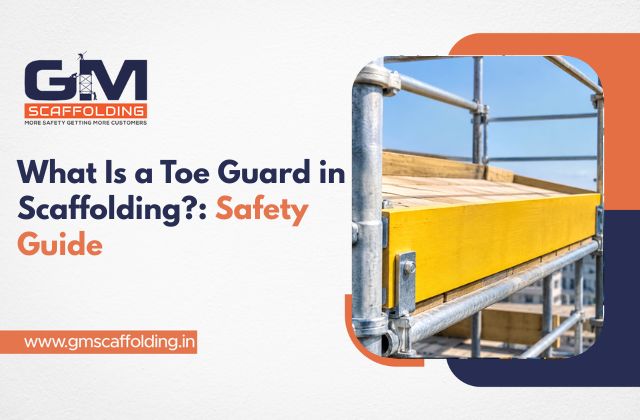
Toe guard scaffolding uses a low barrier along the edge of a scaffold platform to help prevent tools, debris and loose materials from falling. It can also reduce the chance of a worker’s foot slipping beyond the platform edge. The required height, strength, fixing method and clearance depend on the safety standard and project requirements that apply to the scaffold.
Quick Overview
| Thing | Why it matters |
| Toe board | Helps contain loose materials |
| Guardrail | Protects against edge falls |
| Board height | Must meet applicable requirements |
| Secure fixing | Prevents movement |
| Platform edge | Needs suitable protection |
| Inspection | Identifies damage or displacement |
Table of Contents
- Introduction
- Toe Boards in Scaffolding: Types and Requirements
- Why Toe Boards Matter for Safety
- Installation and Inspection Checks
- Toe Board vs Toe Guard
- Conclusion
- FAQs
Introduction
Toe guard scaffolding is an important part of scaffold edge protection, helping prevent tools, debris, and loose materials from moving beyond the platform edge. A suitable toe board or toe guard can add protection at platform level, but its effectiveness depends on the correct height, secure fixing, suitable clearance, and regular inspection. Requirements can vary according to the applicable safety standard, scaffold system, and project conditions. This guide explains what toe boards are, the types used on scaffolds, height and safety requirements, installation and inspection checks, and the difference between a toe board and toe guard.
Toe Boards in Scaffolding: Types and Requirements
What Is a Toe Board on Scaffolding?
A scaffold platform may have guardrails around its exposed edges, but there is still a gap close to the working surface. Small tools, bolts, pieces of debris or other materials can move through that space. A toe board provides a low barrier designed to help prevent this from happening.
In toe board scaffolding, the board is positioned along the lower edge of the working platform. It does not replace guardrails or other forms of protection. Instead, it deals with a different part of the hazard by helping keep small objects and materials on the platform.
On construction sites, toe board and toe guard are commonly used to describe this type of low barrier. The terminology can vary between scaffold systems, manufacturers and regions. What matters is whether the component meets the required height, strength, fixing and clearance requirements.
For example, a toe board in scaffolding may be made from timber or steel, while a proprietary system may use a purpose-designed metal component. The choice depends on the scaffold arrangement and the requirements of the project.
Action: Check the scaffold specification and applicable safety standard before selecting or installing a toe board.
Types of Toe Boards Used on Scaffolds
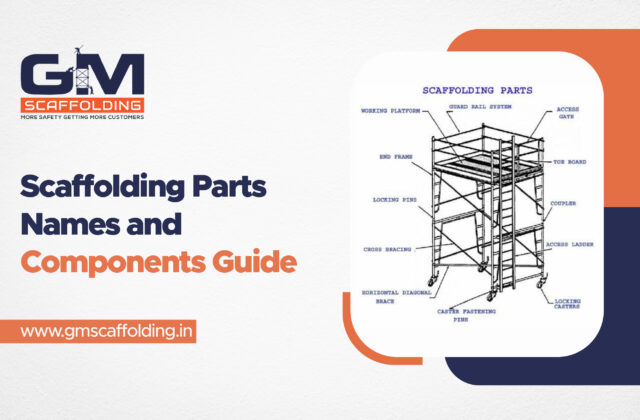
The type of toe board used on a scaffold can depend on the system, platform arrangement and working conditions. Traditional scaffolds may use timber boards, while modular systems often use steel or manufacturer-specific components.
Timber toe boards are still used in some scaffold arrangements. They should be sound, correctly positioned and securely fixed. Damaged or weakened boards should not be left in service.
Steel toe boards are common with modular scaffolding systems. They are designed for repeated installation and removal and can provide a consistent fit when used with compatible scaffold components.
Proprietary toe guards are supplied by some manufacturers as part of a complete scaffold system. These components may connect directly to the standards, frames or guardrails, making the installation method specific to that system.
An end section of a working platform may also require protection. Looking only at the longest outer edge can leave gaps around platform ends or corners.
When choosing a toe guard for scaffolding, check the dimensions and fixing arrangement rather than selecting a component based only on its appearance.
Action: Use toe boards and edge components that are designed or approved for the scaffold system being installed.
Toe Board Height and Requirements
Toe-board dimensions are not necessarily the same in every country or project. The applicable regulation, scaffold standard and project specification should be checked before installation rather than relying on a measurement found on a general construction website.
For example, OSHA 29 CFR 1926.451 requires a toeboard to be at least 3.5 inches (9 cm) above the walking or working surface. The same provision also addresses fastening, clearance and openings.
Other scaffold guidance uses different measurements. UK scaffold guidance, for example, commonly refers to a minimum toe-board height of 150 mm. This difference is one reason a measurement from another jurisdiction should not automatically be applied to an Indian construction project.
When checking scaffolding toe board requirements, look at several points rather than height alone:
| Requirement | What to check |
| Height | Meets the applicable standard |
| Position | Sits correctly at the platform edge |
| Fixing | Cannot easily move or detach |
| Clearance | Within the permitted limit |
| Openings | Do not create unacceptable gaps |
| Condition | Free from significant damage |
The toe board height for scaffolding should therefore be confirmed from the standard or project specification governing the work.
OSHA also requires scaffold toeboards used for falling-object protection to withstand specified forces and sets requirements for their construction and installation.
Action: Put the required dimensions and fixing details in the scaffold specification or inspection checklist.
Also Read: https://blog.gmscaffolding.in/how-to-choose-right-scaffolding-rental-supplier/
Why Toe Boards Matter for Safety
The purpose of toe boards in scaffolding is straightforward: they create a physical barrier close to platform level. This can stop or reduce the movement of small objects towards the edge.
A loose spanner sitting near a platform edge may not seem like a major concern. If it falls from several metres above ground, the situation is very different. The same applies to bolts, fittings, masonry fragments and other small materials.
A properly installed board can help by:
- Keeping smaller objects from rolling directly off the platform.
- Reducing the opening between the platform and upper edge protection.
- Providing a defined barrier along exposed platform edges.
- Helping contain loose debris during routine work.
- Adding another layer of protection for people working below.
However, a toe board is not a substitute for the complete protection system. Scaffolding fall protection can involve guardrails, safe access, properly supported platforms, personal fall-arrest systems and controls for falling objects, depending on the work and applicable requirements.
This is why toe boards should be considered alongside other scaffold safety components. Each component addresses a different part of the risk.
Action: Assess the entire scaffold protection arrangement instead of treating the toe board as a standalone safety measure.
Installation and Inspection Checks
A board can have the correct dimensions and still fail to provide the expected protection if it is loose, damaged or incorrectly installed. Its condition should therefore be checked as part of scaffold inspection.
When checking a toe board in scaffold use, look at:
- Condition: Check for cracks, bending, corrosion or other damage.
- Position: Confirm that the board sits correctly along the platform edge.
- Fixing: Check clamps, hooks or other connections for movement.
- Clearance: Make sure the gap below the board complies with the applicable requirement.
- Corners and ends: Inspect areas that can be missed during a quick visual check.
- Platform condition: Remove loose materials that have accumulated against the board.
- Alterations: Reinspect the arrangement after scaffold modifications.
OSHA requires scaffolds and their components to be inspected by a competent person before each work shift and after an occurrence that could affect structural integrity.
Inspection is particularly important on busy sites. Different trades may use the same scaffold during a shift, move materials across the platform or make changes around access points.
A scaffold toe guard should therefore not be treated as a fit-and-forget component. It remains part of the working scaffold and needs to stay in suitable condition throughout its use.
Action: Include toe boards in routine scaffold inspection records and recheck them after alterations or damage.
Toe Board vs Toe Guard: Is There a Difference?
The terms toe board and toe guard are often used interchangeably on construction sites. Both generally refer to a low barrier fitted along the edge of a scaffold platform. Manufacturers may use different names for similar products, especially when the component forms part of a proprietary scaffold system.
A scaffolding toe board may be a simple board fixed along the platform edge, while a manufactured scaffold toe guard can be designed to connect directly with a particular scaffold system.
| Term | Common use |
| Toe board | Low barrier at platform level |
| Toe guard | Alternative term for the barrier |
| Kick board | Informal site terminology |
| Edge barrier | Broader protective term |
The phrase toe guard in scaffolding may be used when discussing the protective function, while a manufacturer may use “toe guard” as the name of a specific product.
The label itself is less important than whether the component is suitable for the scaffold and meets the applicable requirements for height, strength, fixing and clearance.
For projects involving complex scaffold arrangements, scaffolding contractors in coimbatore can also help identify suitable components and installation methods based on the scaffold system being used.
Action: Check the product specification and governing standard instead of selecting a component based on terminology alone.
Conclusion
A scaffold platform needs protection at more than just the guardrail level. Properly installed toe guard scaffolding helps control loose materials and creates a physical barrier at the lower edge of an exposed platform. The correct height, fixing method and inspection requirements should always be based on the applicable standard and project specification.
FAQs
1. What is a toe guard in scaffolding?
A toe guard is a low barrier fitted around an exposed scaffold platform. It helps prevent small tools, debris and loose materials from moving over the platform edge. It may also reduce the chance of a worker’s foot slipping beyond the edge. The design depends on the scaffold system and applicable safety requirements.
2. What is the purpose of a toe board in scaffolding?
The purpose of toe boards in scaffolding is simple: they help keep loose tools, debris and small materials from going over the platform edge. They add protection at floor level, but they are not a replacement for guardrails or other safety measures required on the scaffold.
3. What is the standard toe board height for scaffolding?
There is no single height that applies to every country or project. OSHA specifies at least 3.5 inches (9 cm), while other scaffold guidance uses measurements such as 150 mm. The correct requirement should be taken from the regulation or project specification governing the particular scaffold.
4. Are toe boards required on all scaffolding platforms?
The requirement depends on the applicable regulation and the hazards present at the platform. Some rules specifically address situations where workers could be exposed to falling objects. The scaffold design, risk assessment and governing standard should therefore be checked instead of assuming every platform has identical requirements.
5. How do toe boards improve scaffolding safety?
Toe board safety in scaffolding comes from creating a low physical barrier along the working platform. It can help prevent small tools, debris and loose materials from reaching the edge. Its effectiveness depends on suitable height, secure fixing, proper installation and regular inspection.
6. What is the difference between a toe board and a toe guard?
On most construction sites, toe board and toe guard are used for the same basic type of low barrier along a scaffold platform. The name can vary from one manufacturer or scaffold system to another. Rather than focusing on the term used, check whether the component meets the required height, fixing and safety specifications.