Guardrail in Scaffolding: Types, Standard Height & Safety Guide
Quick Answer
Guardrail in scaffolding prevent workers from falling by providing safety barriers along the open sides. There are three parts to it, namely the top rail, the mid rail, and the toe board, which work together to provide maximum protection at height. Guardrails, when installed properly and maintained according to safety standards, can reduce accident risk and ensure a safer work environment.
Quick Overview
| Thing | Why it matters |
| Guardrail | Prevents falls from scaffold platforms |
| Top rail | Protects workers at platform edges |
| Mid rail | Stops slips through openings |
| Toe board | Prevents falling tools and materials |
| Standard height | Meets construction safety regulations |
| Regular inspection | Ensures continued worker protection |
Table of Contents
- What Is Guardrail in Scaffolding?
- Why Is a Scaffold Guardrail Important?
- Types of Scaffold Guardrails
- Standard Handrail Height and Scaffold Safety Requirements
- Guardrail Installation Best Practices
- Common Mistakes That Affect Scaffold Safety
- Conclusion
- FAQs
What Is Guardrail in Scaffolding?
If you’ve ever worked on a construction site, you’ve likely seen protective rails around scaffold platforms. A guardrail in scaffolding is one of the most important safety features used to protect workers from falls while working at height.
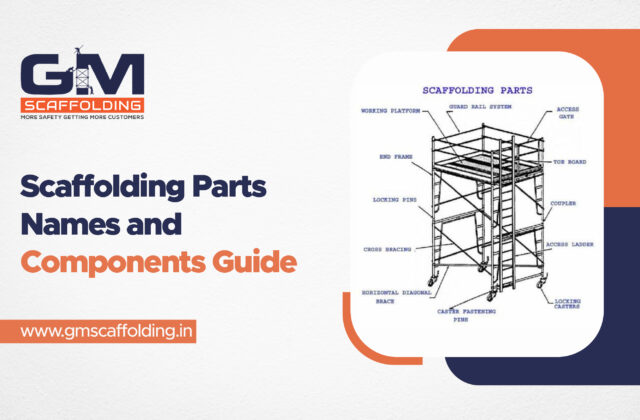
The guardrails meaning goes beyond a simple metal barrier. It refers to a complete protective system that creates a safe working boundary around elevated platforms. Most scaffold guard rail include a top rail, a mid rail, and a toe board that work together to reduce fall risks.
Key Functions:
- Helps reduce the risk of falls when working at height
- Makes the work area safer for everyone on site
- Protects workers near open edges and raised platforms
- Encourages workers to follow safety procedures on site
- Gives workers more confidence when carrying out tasks at height
Action: Before starting any work, make sure that every scaffold platform has a guardrail placed correctly.
Also Read: https://blog.gmscaffolding.in/scaffolding-hazards-types-safety-measures-prevention/
Why Is a Scaffold Guardrail Important?
In the construction industry, injuries caused by working at height remain a major concern. Using scaffold guardrails reduces the risk of falls and creates a safer working environment.
Besides protecting workers, guardrails also prevent tools and construction materials from falling onto people working below. This makes them an essential part of any scaffold safety plan.
Benefits of Using Guardrails
- Accidents related to falls are reduced.
- Enhances the safety of the workplace
- Complies with regulatory requirements
- Provides protection for pedestrians and workers
- Reduces the risk of accidents causing project delays
Action: Make scaffold guardrail inspections part of your daily safety checklist.
Types of Scaffold Guardrails
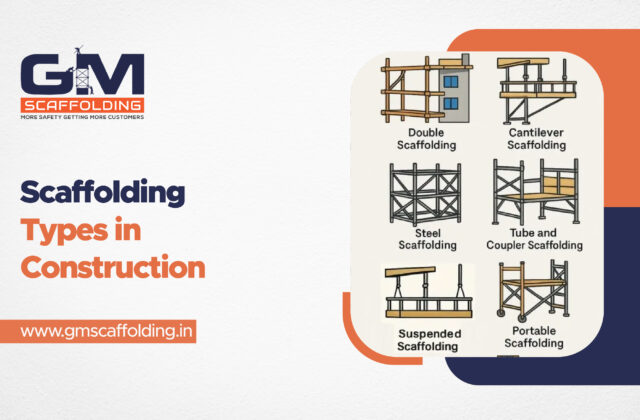
Different projects require different types of guardrails depending on the scaffold design, work height, and safety regulations.
| Type | Best Used For |
| Temporary guardrails | Short-term construction projects |
| Modular guardrails | System scaffolding |
| Steel guardrails | Heavy-duty industrial sites |
| Aluminium guardrails | Lightweight mobile scaffolds |
| Adjustable guardrails | Projects with varying platform heights |
Choosing the right guard rail in scaffolding depends on the type of work being performed and the expected load on the scaffold.
Things to Consider:
- Scaffold design
- Platform height
- Worker movement
- Weather conditions
- Material durability
Action: Match the guardrail type with your scaffold system and project requirements.
Components of a Guardrail System
A complete guardrail system consists of several components that work together to provide effective fall protection.
The top rail serves as the primary barrier, while the mid rail prevents workers from slipping through open spaces. A toe guard in scaffolding stops tools, equipment, and debris from falling off the platform, helping protect people working below.
| Component | Purpose |
| Top rail | Primary fall protection |
| Mid rail | Prevents workers slipping through |
| Toe board | Stops falling tools and materials |
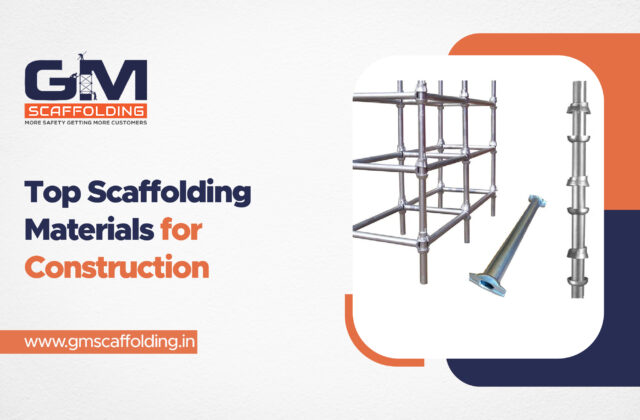
| Uprights | Support the guardrail structure |
| Connectors | Secure all components together |
Why Every Component Matters
- Provides complete edge protection
- Platform stability is improved
- Provides a safe working environment
- Helps meet industry safety requirements
Action: When using an active scaffold, never remove individual guardrail components.
Standard Handrail Height and Scaffold Safety Requirements
It is essential to maintain a standard handrail height in the workplace to minimise fall hazards and comply with regulations concerning workplace safety. A top rail height of about 950-1150 mm (38-45 inches) above the platform is recommended according to international safety standards. However, local regulations may differ.
The scaffold guardrail requirements also specify the use of a mid rail and toe board wherever there is a risk of falls or falling objects. Together, these components form an effective scaffold fall protection system.
| Safety Element | Recommended Requirement |
| Top rail | 950–1,150 mm above platform |
| Mid rail | Positioned midway |
| Toe board | At least 150 mm high |
| Guardrail strength | Able to withstand required loads |
| Inspection | Before each work shift |
Action: Always verify your project follows the applicable local scaffold safety regulations before work begins.
Guardrail Installation Best Practices
Proper guardrail installation in scaffolding is just as important as selecting the right components. Even a high-quality guardrail cannot protect workers if it is installed incorrectly or left unsecured.
Check for damage on all rails, connectors, and support posts prior to installation. After the guardrail is put together, make sure that all of the connections are securely fastened and that it stays stable under typical operating circumstances.
Among the best installation techniques are:
- Before employees reach elevated platforms, install guardrails.
- Use appropriate fittings to secure every rail.
- Verify that there are no spaces between parts.
- Replace any damaged parts right away.
- Inspect the system after strong winds or heavy impacts.
For projects requiring lightweight and durable scaffold systems, many contractors work with aluminium scaffolding suppliers in Coimbatore to source reliable equipment that meets industry standards.
Action: Schedule scaffold inspections often throughout the project, not just before initial usage.
A well-installed guardrail does more than just prevent falls. It builds worker confidence, promotes safer movement on high platforms and helps preserve productivity by eliminating interruptions to work from safety events.
Common Mistakes That Affect Scaffold Safety
Even when guardrails are in place, small avoidable mistakes can still reduce how effective they are. Being aware of these issues is important for improving scaffold edge protection and ensuring proper compliance with scaffold guardrail safety standards.
There are several common mistakes to avoid:
- Rails at the top and midpoints are missing.
- The removal of guardrails during material handling
- Components that are damaged or bent should not be used.
- Routine inspections are being skipped.
- Connections that are loose should be ignored.
- Toe boards not installed.
These issues increase the risk of falls and can lead to costly project delays or regulatory penalties.
Action: Make guardrail inspections part of your site’s daily safety routine.
Conclusion
Guardrail in scaffolding are one of the best ways to keep workers safe when working at height. The right guardrail system, maintaining the standard handrail height, and regularly inspecting the system can significantly reduce the risk of falls. The following simple but essential safety practices help protect workers as well as ensure compliance with industry regulations. Construction projects are more successful when a quality guardrail system is used to create a safer, more efficient workplace.
Frequently Asked Questions
1. What is a guardrail in scaffolding?
A guardrail in scaffolding is a protective barrier installed around open scaffold platforms to reduce the risk of falls. It typically includes a top rail, mid rail, and toe board that work together to create a safer working environment for personnel operating at height.
2. What is the purpose of a scaffold guardrail?
A scaffold guardrail protects workers from falling off elevated platforms while also preventing tools and materials from dropping onto people below. It is a key component of any scaffold safety plan and helps construction sites comply with workplace safety regulations.
3. What is the standard height of a scaffold guardrail?
In general, the scaffold guardrail’s top rail is typically 950 mm- 1,150 mm (38- 45 inches) above the working platform. The height is designed to provide effective fall protection while allowing workers to move comfortably. Depending on the country or governing authority, the required height may vary depending on local safety regulations.
4. What is the difference between a guardrail and a handrail?
As people walk up and down stairs, handrails provide balance and support, while guardrails prevent them from falling. Despite their similarities, each one serves a different purpose and plays an important role in ensuring safety on construction sites.
5. What is a scaffold guardrail system?
When working on scaffold platforms, a guardrail system is a comprehensive safety configuration that helps prevent falls. Together, the top rails, mid rails, toe boards, support posts, and connectors form a sturdy barrier around exposed edges. The device lowers the danger of accidents and contributes to safer scaffolding operations by offering continuous edge protection.
6. Why are toe boards used with scaffold guardrails?
A toe guard in scaffolding, commonly called a toe board, prevents tools, equipment, and construction materials from falling from elevated platforms. It protects workers below and contributes to a safer, more organized worksite.ince they’re not meant to be reused.