Scaffolding Pipe Guide: Types, Sizes & Standards
Quick Answer
A scaffolding pipe is a steel tube used with fittings or scaffold systems to create temporary working platforms, supports, access arrangements and bracing. Its diameter, wall thickness, material grade, length and surface finish all affect where it can be used. The correct specification depends on the scaffold design, applicable standard, loading and site conditions.
Quick Overview
| Thing | Why it matters |
| Pipe diameter | Affects fitting compatibility and structural behaviour |
| Wall thickness | Influences strength, weight and durability |
| Material | Determines mechanical and corrosion characteristics |
| Standard | Sets requirements for quality and performance |
| Fittings | Connect tubes and form the scaffold arrangement |
| Surface finish | Helps manage corrosion in exposed conditions |
Table of Contents
- Introduction
- What is a scaffolding pipe?
- Scaffolding Pipe Types, Materials and Dimensions
- Scaffolding Pipe Standards and Specifications
- Choosing and Using Scaffolding Pipes
- Conclusion
- FAQs
Introduction
Scaffolding pipes are essential components of temporary scaffold systems, providing support, access, bracing and connections when used with suitable fittings and other components. Selecting the right pipe requires more than checking its diameter; material, wall thickness, length, surface finish, applicable standards, loading requirements and compatibility with fittings also need to be considered. This guide explains scaffolding pipe types, sizes, dimensions, standards, common uses and key factors to consider when choosing a suitable pipe for a construction project.
What Is a Scaffolding Pipe?
At a construction site, tubes may look fairly simple, but their dimensions and connection method matter. A scaffolding pipe is generally used as part of a temporary scaffold arrangement, where tubes, fittings, platforms, bases and ties work together rather than as isolated pieces.
In India, BIS has standards covering steel tubular scaffolding and its safety provisions. IS 4014 addresses steel tubular scaffolding, while IS 2750 covers requirements for steel scaffoldings made using tubes, fittings or prefabricated frames.
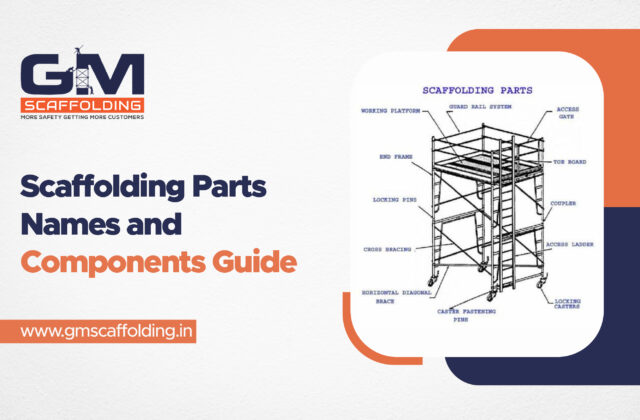
A tube-and-fitting scaffold can include several basic parts, each serving a different purpose:
- Vertical tubes that carry the scaffold
- Horizontal tubes connecting the vertical members
- Diagonal braces for added stability
- Guardrails fitted along the working levels
- Couplers used to connect the tubes
- Base plates or adjustable supports at the bottom
The pipe should match the scaffold design and the other parts being used. Check the dimensions and fitting requirements before selecting the tube.
Scaffolding Pipe Types, Materials and Dimensions
Types and Materials Used in Scaffolding Pipes
The material description can sometimes cause confusion. MS scaffolding pipe generally refers to a mild-steel tube, while “steel scaffolding” is the broader description. In other words, mild steel is itself a type of steel; the two terms are not automatically describing completely different products.
Steel remains widely used because scaffold tubes need to handle repeated site use while maintaining suitable mechanical properties. The actual grade, manufacturing method, coating and dimensional tolerances should be checked against the relevant specification.
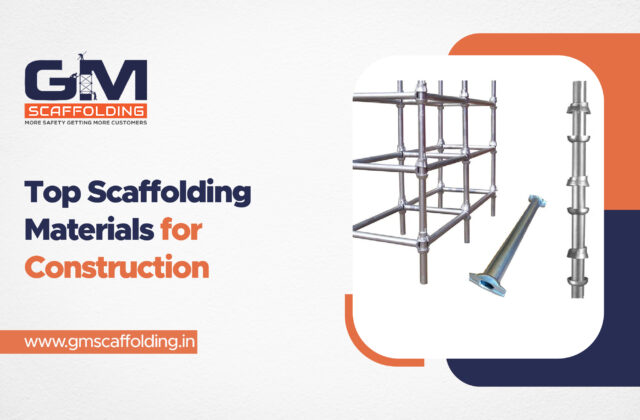
Common options include:
| Type | Typical consideration |
| Mild steel tube | Common choice for tube-and-fitting scaffolds |
| Galvanized steel tube | Useful where corrosion protection is required |
| Painted steel tube | Provides a protective surface finish |
| Special-grade steel tube | Selected according to project specification |
The supplied manufacturer references also show that scaffold systems can use different tube sizes for different components. For example, Hariom Pipes lists 40 mm nominal bore tubes in some Cuplock components and 48 mm outside-diameter pipes for certain base-plate and joint applications.
Action: Treat the material, grade and finish as separate specifications when comparing suppliers.
Understanding Scaffolding Pipe Size
When someone asks for a scaffolding pipe size, they may be referring to nominal bore, outside diameter, wall thickness or overall length. Those measurements are not interchangeable.
Nominal size and actual outside diameter are not always the same. This is worth checking when buying scaffold tube size, particularly if they will be used with existing couplers. The supplier should provide the actual measurements so you know the tube will fit the rest of the setup.
A common tube-and-coupler reference dimension is 48.3 mm outside diameter in European scaffold component standards, including standards covering couplers and base plates.
However, this should not be treated as a universal size for every scaffold system or country.
Action: Confirm the exact outside diameter and compatible fittings before placing an order.
Scaffolding Pipe Diameter, Thickness and Dimensions
The scaffolding pipe diameter is only one part of the specification. Wall thickness also affects the tube’s mass and structural behaviour, while length affects handling and the way members are arranged on site.
For Indian projects, the required pipe thickness can vary with the application, so there isn’t one thickness that fits every job. BIS standards cover details such as pipe dimensions and testing, while the relevant scaffolding standards deal with how the tubes are used as part of the overall scaffold.
Key scaffolding pipe dimensions to verify include:
- Outside diameter
- Wall thickness
- Nominal bore, where specified
- Standard or supplied length
- Straightness and dimensional tolerance
- Weight or mass per unit length
How Scaffolding Pipe Thickness Affects Selection
The scaffolding pipe thickness should not be selected simply because a thicker tube appears stronger. A heavier tube also affects handling, connection details and the overall scaffold arrangement.
BIS documentation for steel tubes includes checks relating to outside diameter, thickness and mass, along with mechanical tests such as tensile, flattening and cold-bend testing where applicable.
The required wall thickness depends on the product specification and intended application.
Action: Ask the supplier for documented dimensions, material grade and test information instead of choosing thickness from a catalogue description alone.
Scaffolding Pipe Standards and Specifications
Standards give you a clearer idea of what a steel tube should meet instead of leaving the description too broad. In India, IS 4014 covers steel tubular scaffolding, while IS 2750 deals with steel scaffolding made from tubes, fittings or prefabricated frames. IS 1161 covers steel tubes for structural purposes, so it shouldn’t be confused with a scaffold-specific standard.
This distinction matters when checking scaffolding pipe specifications. A tube can meet a steel-tube specification while the complete scaffold still needs to satisfy separate requirements for design, connections, stability and safe use.
When reviewing a product, check:
| Specification | What to verify |
| Standard | Applicable Indian or project standard |
| Grade | Steel grade stated by supplier |
| Diameter | Actual outside diameter |
| Thickness | Nominal or measured wall thickness |
| Finish | Black, painted or galvanized |
| Testing | Available inspection or test documentation |
BIS also provides a “Know Your Standard” facility where users can search standards and related certification information.
Action: Match the pipe specification with the scaffold design and project requirements before procurement.
Choosing and Using Scaffolding Pipes
Where Are Scaffolding Pipes Used?
Tube systems are used for more than simply creating a platform. Depending on the arrangement, tubes can form vertical supports, horizontal members, braces, guardrails and other parts of temporary access structures.
Scaffolding pipes are commonly used for work such as:
- Construction and maintenance around buildings
- Plastering, finishing and repair jobs
- Painting and other exterior work
- Maintenance work in industrial sites
- Temporary access around work areas
- Setting up and supporting scaffold platforms
- Bracing and stabilising scaffold structures
The supplied Hariom Pipes reference lists applications including building plastering, slab casting, industrial structures and glass cladding across its scaffold-system products.
The tube is only one part of the setup. Scaffolding fittings, couplers, base plates, platforms and ties must work with the tube arrangement.
Action: Check compatibility between the tube and every connection component used in the scaffold.
How to Choose the Right Scaffolding Pipe
Buying by diameter alone can create problems. A site team needs to look at the intended scaffold configuration, loads, connection system, environmental exposure and applicable standards together.
Before placing the order, go through the basic pipe details and make sure they fit the job:
- Tube diameter and wall thickness
- Pipe weight and material grade
- Lengths needed for the work
- Paint, galvanised or other surface finish
- Compatibility with the couplers
- Test certificates or other quality records
- Requirements set by the scaffold design
A scaffolding coupler also needs to match the tube dimensions. For example, Hariom Pipes describes pressed double couplers for joining 40 mm nominal bore tubes and swivel couplers for angled connections used in diagonal bracing.
If you’re buying locally, it can help to check a few scaffolding dealers in coimbatore and compare what they actually supply. Look at the pipe size, thickness, grade and supporting documents along with the price. A cheaper pipe may not be the right choice if its specifications don’t match your scaffold setup.
Action: Check the product details first, then compare the prices.
Info Gain: A pipe’s nominal size, outside diameter and wall thickness describe different measurements. Asking a supplier for all three can prevent compatibility problems when the tube has to work with couplers or prefabricated scaffold components.
Conclusion
The main thing is not to choose a scaffolding pipe based only on its diameter or thickness. The steel grade, pipe dimensions, fittings, finish and the scaffold setup also need to be considered. Before buying, check the full specification against the project design so the tubes are suitable for the intended work.
Frequently Asked Questions
1. What is the standard size of a scaffolding pipe?
A 48.3 mm outside diameter is widely used for tube-and-coupler scaffolding, but it isn’t the size for every scaffold pipe. You may come across different measurements, especially when comparing products from Indian suppliers. Check the actual pipe size and the fittings it needs to work with before placing the order.
2. What is the diameter of a scaffolding pipe?
A 48.3 mm outside diameter is commonly used with tube-and-coupler scaffolds. That doesn’t mean every scaffold pipe will have the same measurement. Some Indian suppliers use different sizes, so it’s worth checking the actual pipe dimensions before ordering. This also helps avoid problems when matching the pipe with the required fittings.
3. What thickness should a scaffolding pipe have?
There is no single thickness suitable for every application. Thickness is linked to the tube specification, material, loading and scaffold design. Instead of choosing a heavier pipe automatically, verify the required dimensions and applicable standard with the responsible engineer or scaffold designer.
4. What is the difference between steel and MS scaffolding pipes?
MS means mild steel, which is a category of steel. Therefore, “MS pipe” and “steel pipe” are not automatically two different materials. The important differences may relate to grade, manufacturing method, coating, thickness and the standard to which the product is supplied.
5. What are scaffolding pipes used for?
They can form vertical standards, horizontal ledgers, braces, guardrail members and other parts of tube-and-fitting scaffolds. Their actual role depends on the scaffold design. Tubes also work alongside couplers, base plates, platforms, ties and other scaffolding components.
6. How do you choose the right scaffolding pipe?
First, look at how the scaffold will be designed and which standard applies to the project. From there, check the pipe’s diameter, thickness, steel grade, length, finish and whether the couplers will fit properly. The expected load also matters, so choosing a pipe based on just one measurement isn’t enough.