Scaffold Inspection Checklist For Safer Sites

Quick Answer
A scaffold inspection checklist helps site teams check stability, access, bracing, platforms, guardrails, and visible defects before work begins. Regular inspection before first use, after changes, and after bad weather helps reduce safety risks, site delays, and avoidable mistakes that usually happen when damaged or altered scaffolding is used without proper review.
Quick Overview
| Check Area | What To Verify |
| Structure | Standards, braces, ties, base condition |
| Platform | Planks, gaps, load, trip hazards |
| Edge Protection | Guardrails, toe boards, openings |
| Access | Ladders, ramps, stairways, clear routes |
| Environment | Weather, power lines, falling objects |
This gives a clear snapshot of the main inspection points that matter before anyone starts work on a scaffold.
Table Of Contents
- Why A Scaffold Inspection Checklist Matters
- When A Scaffold Must Be Inspected
- What A Scaffold Inspection Form Should Cover
- Daily Scaffold Inspection Checklist For Site Teams
- Aluminium Scaffolding Inspection And Rental Checks
- Why Local Support Matters In Coimbatore
- FAQs
- Conclusion
Why Every Scaffold Needs a Practical Inspection Checklist
Why A Scaffold Inspection Checklist Matters
A scaffold inspection checklist matters because scaffolds are temporary work platforms that carry people, tools, and materials at height. Even a properly installed scaffold can become unsafe if it is altered, overloaded, exposed to weather, or used without regular checks.
Inspections help identify slippery surfaces, weak access points, missing guardrails, damaged planks, and other issues before work starts. They also make site supervision easier because the team knows exactly what has been checked and what still needs attention.
The most useful checklist is not the longest one. It is the one people can actually use on site without confusion. When the checklist is simple, practical, and routine, it becomes part of the work culture rather than just a document.
When A Scaffold Must Be Inspected
A scaffold should never be treated as permanently safe once it has been handed over. It needs to be inspected at the right stages to make sure changing site conditions have not affected its stability or safe use.
| Inspection Time | Why It Matters |
| Before First Use | Confirms initial safety condition |
| After Modification | Checks stability after changes |
| After Bad Weather | Detects wind or rain impact |
| At Regular Intervals | Catches wear and misuse |
| Before Reuse | Verifies previously used scaffold |
These inspection stages are important because scaffold safety can change over time. A structure that looked fine a few days ago may no longer be reliable after movement, site activity, or weather exposure.
Also Read: https://blog.gmscaffolding.in/scaffolding-safety-standards-every-construction-site-needs/
Key Elements of a Scaffold Inspection Form
What A Scaffold Inspection Form Should Cover
A good scaffold inspection form should cover the physical condition of the scaffold, safe access, edge protection, load handling, and nearby hazards. It should help the person inspecting the scaffold quickly understand whether the structure is safe to use, needs correction, or should be stopped from use immediately.
A proper inspection should include:
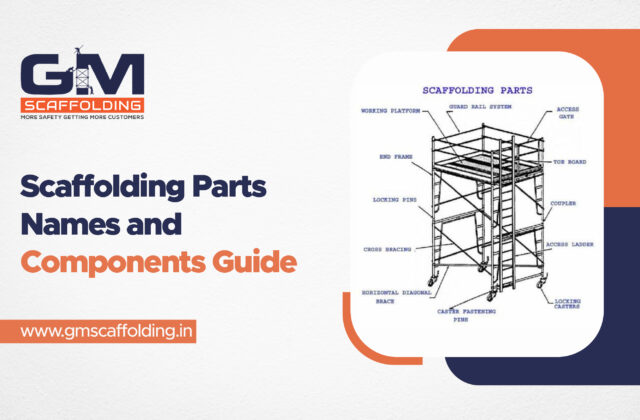
- Base plates, sole boards, standards, braces, and ties
- Platform planks, gaps, overlaps, and visible damage
- Guardrails, toe boards, and open edges
- Ladders, ramps, or stair access to working levels
- Nearby power lines, falling-object risks, and slippery surfaces
The goal is not just to fill out a form. It is to make sure that the scaffold is actually safe for the job being done on that day.
Daily Scaffold Inspection Checklist For Site Teams
A daily scaffold inspection checklist should be short enough to use every morning and clear enough for supervisors or responsible site staff to follow without delay. Daily checks are important because scaffolding can change quickly during active work.
A simple daily checklist can ask:
- Is the scaffold level and stable?
- Are planks secure and free from damage?
- Are ladders or stairways fixed properly?
- Are guardrails and toe boards in place?
- Has weather or site activity affected safety?
These questions may look basic, but they help catch the small issues that often lead to bigger problems later. A quick check at the start of the shift can prevent unsafe use, rushed fixes, and unnecessary stoppages.
How to Inspect and Manage Aluminium Scaffolding
Aluminium Scaffolding Inspection And Rental Checks
Aluminium scaffolding needs careful inspection because its mobility and convenience can sometimes make teams overlook repeated safety checks. Since it is often moved and repositioned, it should be inspected each time before use, especially if the ground condition changes.
Before using aluminium scaffolding, check the frames, joints, wheels, locks, and platform condition. Make sure the access is safe, the structure is level, and the load matches the intended work. Light weight should never be mistaken for low risk.
It is also important to confirm that the scaffold type actually suits the task. Aluminium may be ideal for certain maintenance or short-term access jobs, but not every site condition or work type will suit it.
Also Read: https://blog.gmscaffolding.in/differences-between-cuplock-and-ringlock-scaffolding/
Why Local Support Matters In Coimbatore
For projects in Coimbatore, local support can make a big difference when scaffold needs change after delivery or during active work. In many cases, delays happen not because the project is poorly planned, but because the site suddenly needs more material, changes in layout, or faster support.
A nearby supplier can usually respond more quickly when platforms, access arrangements, or quantities need adjustment. That helps reduce downtime and keeps the work moving without forcing the team to rely on temporary fixes.
This becomes especially useful on projects where timing is tight and the scaffold is needed across different stages of the work.
FAQs
1. What Should A Scaffold Inspection Checklist Include
A scaffold inspection checklist should cover the structure, platforms, guardrails, toe boards, access points, nearby electrical hazards, falling-object risks, and visible damage. It should also confirm that the scaffold suits the task and is safe to use before anyone starts work.
2. How Often Should Scaffolding Be Inspected
Scaffolding should be checked before first use, at regular intervals during use, and again after modification or bad weather. It should also be rechecked if it has been moved, reused, or exposed to conditions that may affect stability or safe access.
3. Who Should Complete A Scaffold Inspection Form
A scaffold inspection form should be completed by a competent and responsible person who understands scaffold safety, access requirements, and visible structural risks. The person checking it should be able to identify unsafe conditions and decide whether the scaffold is fit for use.
4. What Is The Difference Between A Daily And Formal Scaffold Check
A daily check is a quick condition review done before work begins, while a formal inspection is a more structured examination carried out at required stages or after specific changes. Both are important because daily checks catch immediate issues and formal inspections create a proper safety record.
5. Why Is Weather Part Of A Construction Scaffold Safety Checklist
Weather matters because rain, wind, and wet surfaces can affect stability, increase slip risk, and change overall scaffold safety. A scaffold that was safe earlier may need rechecking after weather exposure, especially if it has moved or parts have loosened.
Conclusion
A scaffold inspection checklist is not just a formality. It is a practical safety tool that helps site teams work with more confidence and fewer avoidable risks. When inspections are done at the right time and in a clear, consistent way, they help prevent damage, reduce delays, and keep work at height safer for everyone involved. Working with experienced scaffolding contractors in Coimbatore can further ensure that your scaffolds are installed, maintained, and inspected according to the highest safety standards.
References
- OSHA note on scaffold usage and injury prevention
- HSE scaffolding FAQ on inspections, competent people, and bad-weather triggers
- BOCW Central Rules, scaffold definition, fall protection, slippery surfaces, electrical hazards, and reuse inspection
- BIS IS 3696 Part 1 on safe access, ramps, stairways, bracing, planking, toe boards, and platform loading
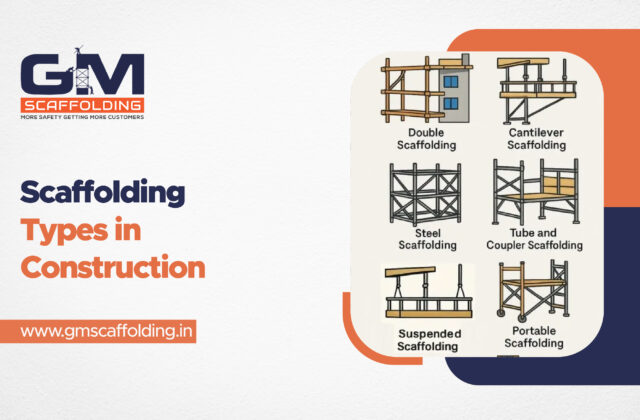
- GM Scaffolding Coimbatore page on scaffold types, rental duration, installation advice, and on-site support
- GM Scaffolding services page on sector coverage and safe on-hire support
- GM Scaffolding blog on safety standards, daily monitoring, access, inspection, and weather-related risk