Scaffold Planks and Boards: Types, Sizes, Safety & Uses

Quick Answer
Scaffold planks and boards are flat working platforms that form the backbone of any scaffolding system, made of wood, steel, or aluminium, to support workers and materials at height safely. Standard sizes range from 6 to 16 feet long and 9 to 24 inches wide. Choosing the appropriate type is determined by site conditions, load requirements, and regulatory compliance.
Quick Overview Table
| Aspect | Key Details |
| Types of Planks | Wood, steel, aluminium, composite |
| Standard Lengths | 6 ft to 16 ft (custom sizes available) |
| Standard Widths | 9 to 24 inches (225 mm typical) |
| Load Capacity | 250–750 lbs per plank (varies by material) |
| Key Safety Checks | Inspect for cracks, warps, and corrosion before use |
| Best for Heavy-Duty | Steel planks for industrial, high-load sites |
Table of Contents
- Introduction
- What Are Scaffold Planks and Boards?
- Types of Scaffold Planks and Boards
- Standard Scaffold Board Sizes and Safety Essentials
- Wood vs Steel Scaffold Planks: A Comparison
- Conclusion
- FAQs
Introduction
Every secure scaffolding construction relies on one crucial component: the platform on which workers stand. Scaffold planks and boards are horizontal surfaces that are installed across scaffold frames to provide solid working platforms at any height. Whether you’re restoring a building facade, building a new structure or performing industrial maintenance, the correct scaffold boards affect both efficiency and safety on the job.
This guide teaches construction professionals everything they need to know, from material types and standard sizes to safety precautions and practical uses.
What Are Scaffold Planks and Boards?
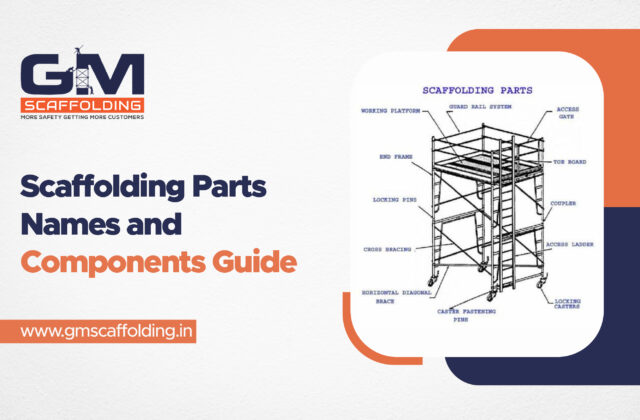
Scaffold planks and boards are flat structural elements that are placed horizontally across scaffold frames to provide a working platform. They must bear the combined weight of personnel, tools, and materials while retaining stability and grip at height.
- Used for building construction, facade renovation, painting, and industrial maintenance
- Available in wood, steel, aluminium, and composite materials
- Must meet industry safety regulations (EN 12811, BS 2482, AS1576)
Types of Scaffold Planks and Boards
Understanding the qualities and limitations of each material is the first step in selecting the appropriate type of scaffold board. Here are the four most common choices employed on current construction projects.
Wood Scaffold Planks
Wood scaffold boards are the preferred choice on construction sites due to their low cost, availability, and natural grip. They are often composed of pine, fir or laminated veneer lumber (LVL) and work well in wet environments when metal boards might become slippery.
Steel Scaffold Planks
Steel scaffold planks are the preferred alternative for heavy-duty industrial applications. They are made of S235/S355 steel, which provides high load-bearing capacity and long-term durability even in harsh settings.
Aluminium Scaffold Boards
Aluminium scaffold boards provide the optimum blend of strength and portability. They are made of 6061-T6 or 6082-T6 alloy, which provides high corrosion resistance and makes them ideal for coastal and humid regions.
Composite Scaffolding Platform Boards
Composite scaffolding platform boards are made from wood fibres and thermoplastic resins, resulting in a non-conductive, lightweight material that is resistant to insects, mould, and deterioration. They are made using compression moulding or extrusion methods.
Standard Scaffold Board Sizes and Safety Essentials
Standard Scaffold Board Sizes
Scaffold board sizes are mostly conventional; most manufacturers provide unique lengths and widths. The table below outlines the typical sizes utilised across building projects.
| Dimension | Standard Range | Common Use |
| Length | 6 ft to 16 ft (1.8 m to 5.0 m) | General to long-span platforms |
| Width | 9 to 24 inches (225 mm typical) | Single or double-board platforms |
| Thickness (Wood) | 38 mm to 63 mm | Light to heavy-duty platforms |
| Staging Board Widths | 450 mm and 600 mm | Aluminium staging platforms |
Most workplaces and construction sites utilise 225 x 38 mm boards by default. Always double-check load ratings and span specifications before mounting boards on a scaffold structure.
Scaffold Plank Safety Essentials
Scaffold plank safety is unavoidable on every construction job. Even a single damaged or improperly fitted board can cause significant mishaps. Scaffold boards must be inspected before each usage and replaced at the first evidence of structural failure.
- Inspect for cracks, splits, warps, rust, or symptoms of decay before each usage
- Ensure boards are fully supported at both ends—the overhang should not exceed four times the board thickness
- Never exceed a platform’s rated capacity (250-750 pounds per plank, material-dependent)
- In damp conditions, place anti-slip surfaces or non-slip mats on metal boards
- Wind-lock pins are used to secure aluminium boards and prevent them from moving
- Follow the EN 12811 and BS 1139 requirements for platform loading and configuration
If you need scaffold boards for a project in Tamil Nadu, partnering with professional scaffolding contractors in Coimbatore ensures you have properly rated, safety-compliant materials tailored to your site’s specific needs.
Wood vs Steel Scaffold Planks: A Comparison
Both wood and steel scaffold planks are used on current construction sites. The right decision is determined by the project’s duration, load needs, site conditions, and budget.
| Factor | Wood Scaffold Planks | Steel Scaffold Planks |
| Weight | Lighter, easier to handle | Heavier, harder to transport |
| Load Capacity | 250–500 lbs per plank | 500–750 lbs per plank |
| Durability | Moderate;weather-sensitive | High; weather-resistant |
| Maintenance | Regular inspection & sealing needed | Minimal maintenance required |
| Best For | Short-term, low- to medium-height projects | Industrial, heavy-duty, long-term use |
| Cost | Lower upfront cost | Higher upfront, lower lifecycle cost |
Conclusion
Scaffold planks and boards are essential safety features of any construction scaffolding system. Whether you choose wood scaffold planks for their natural grip and low cost, steel for industrial-grade load capacity, or aluminium scaffold boards for lightweight portability in coastal environments, your decision should always be guided by site requirements, safety standards, and load specifications.
Always examine boards before use, follow load ratings, and work with qualified suppliers and scaffolding professionals to ensure that every platform is built to perform safely. The appropriate scaffold board safeguards your personnel, the project timeframe, and your compliance record.
FAQs
1.What are scaffold planks and boards used for?
Scaffold planks and boards provide a secure platform for personnel and materials during building and maintenance projects.
2. What materials are used for scaffold planks?
They are often made from wood, steel, or aluminium.
3. What is the standard size of scaffold boards?
Standard scaffold boards are typically 38 mm thick and 225 mm wide, available in various lengths.
4. What safety checks are required for scaffold planks?
Before using planks, check them for cracks, bends, damage, and sufficient support.
5. What is the difference between wood and steel scaffold planks?
Wood planks are lightweight and inexpensive, whereas steel planks are tougher, longer-lasting, and fire-resistant.
6. Are aluminium scaffold boards suitable for heavy-duty work?
Yes, aluminium scaffold boards are sturdy and durable. The load capacity is determined by the board’s design and specifications.