Midrails in Scaffolding: Uses, Height Requirements and Safety Applications
Quick Answer
Midrails in Scaffolding: Uses and Applications are critical for preventing falls on raised work platforms. Midrails, installed between the toprail and the platform level, provide an additional safety barrier and reduce the risk of workers slipping through open spaces. They are an essential part of scaffold guardrail systems, contributing significantly to worker safety and compliance.
Quick Overview Table
| Aspect | Details |
| Purpose | Prevent worker falls |
| Position | Between toprail and platform |
| Main Function | Additional edge protection |
| Key Components | Toprail, midrail, toe board |
| Safety Benefit | Reduces fall hazards |
| Application | Open-sided scaffolds |
Table of Contents
- Introduction
- What Are Midrails in Scaffolding?
- Uses and Applications of Midrails in Scaffolding
- Scaffold Midrail Height Requirements
- Toprail and Midrail: Understanding the Difference
- Midrails as Part of a Scaffold Guardrail System
- Scaffold Midrail Installation Guide
- Safety Benefits of Midrails
- Common Midrail Installation Mistakes
- Conclusion
- FAQs
Introduction
Falls remain one of the most common causes of injury on construction sites. As a result, scaffold safety systems include several protective barriers to decrease the risks associated with working at height. Among these safety components, Midrails in Scaffolding: Uses and Applications are crucial in keeping workers from falling through the open sides of the scaffold platform.
Midrails are installed between the platform and the top guardrail, adding an extra layer of safety. Their presence enhances safety, promotes regulatory compliance, and helps to create a more secure working environment for construction workers.
What Are Midrails in Scaffolding?
A midrail in scaffolding is a horizontal rail that runs between the platform surface and the top guardrail. It is intended to keep personnel, tools, and materials from passing through the space beneath the top rail.
Midrails in scaffolding are designed to improve fall safety by sealing off open spaces that would otherwise expose workers to major hazards.
The key functions include:
- Preventing falls from guardrail openings
- Ensuring scaffold safety compliance
- Enhancing edge protection
- Improving employee confidence
- Reducing occupational accidents
Midrails are typically fitted on all open sides and ends of scaffold platforms.
Uses and Applications of Midrails in Scaffolding
Anyone responsible for scaffold design, erection, or inspection must understand the uses and applications of midrails in scaffolding.
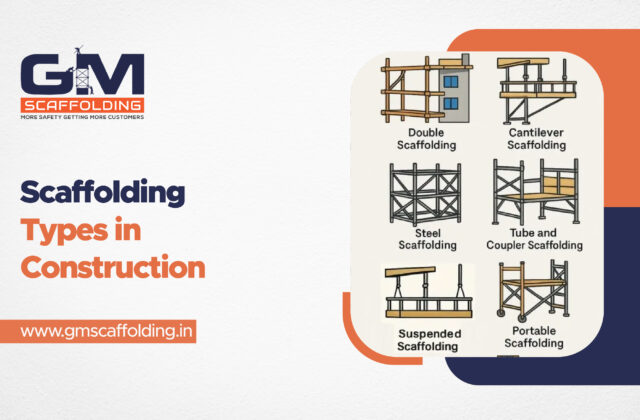
Midrails are utilised in a wide range of scaffolding systems, including access scaffolds, maintenance platforms, industrial scaffolding, and construction work spaces. Their principal function is to provide a protective barrier between workers and potential fall dangers.
Common Applications of Midrails in Scaffolding
Construction projects sometimes entail elevated work spaces with exposed edges. Midrails reduce these risks by providing a continuous protective barrier.
Common applications include:
- Building construction projects
- Industrial maintenance work
- Bridge access scaffolding
- Commercial remodelling
- Infrastructure projects
Their use greatly increases worker safety in elevated locations.
Scaffold Midrail Height Requirements
Proper position and posture are essential for efficient fall prevention. The scaffold midrail height should be around midway between the top rail and the platform surface.
Scaffold midrail height requirements may vary according to local rules and scaffold design standards. However, the purpose remains the same: to prevent workers from slipping through the space beneath the top rail.
Factors That Affect Scaffold Midrail Height;
- Scaffolding design
- Platform dimensions
- Relevant safety regulations
- Type of work completed
- Guardrail arrangement
Regular inspections should ensure that the midrails stay properly positioned throughout the project.
Toprail and Midrail: Understanding the Difference
In a scaffold safety system, the top rail and mid rail serve distinct functions.
A toprail is put at the scaffold’s upper edge, serving as the principal fall barrier. A midrail occupies the space between the toprail and the working platform.
| Feature | Toprail | Midrail |
| Position | Upper guardrail | Middle section |
| Function | Primary protection | Secondary protection |
| Location | Top edge | Midway below toprail |
| Purpose | Prevent falls | Prevent passage below rail |
Understanding the distinction between toprail and midrail helps to ensure proper scaffold assembly and compliance with safety standards.
Midrails as Part of a Scaffold Guardrail System
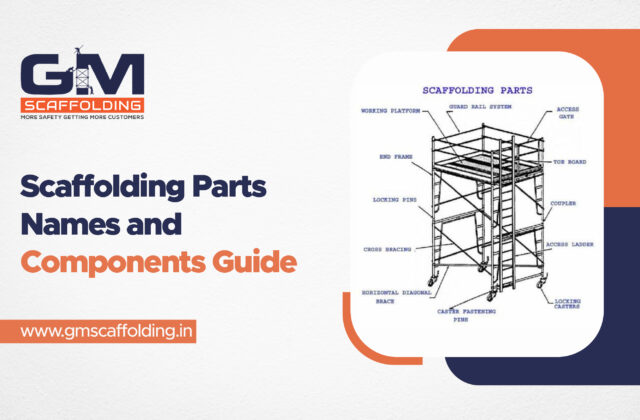
A scaffold guardrail system works only when all of its components function together. The midrail is installed between the top rail and the working platform to close the open gap, while the toe board helps prevent tools and materials from falling. If any one of these components is missing, the guardrail system no longer provides complete fall protection and may fail to meet safety requirements.
How the Midrail Supports the Guardrail System
- Works together with the top rail to provide continuous edge protection.
- Reduces the risk of workers slipping through the space below the top rail.
- Helps distribute impact loads across the complete guardrail system.
- Supports compliance with scaffold safety standards and site inspections.
- Removing the midrail weakens the guardrail system and increases fall hazards.
Action: Never remove a midrail during scaffold use unless an approved alternative fall protection system is provided.
Also Read: https://blog.gmscaffolding.in/scaffolding-parts-names-and-components-explained/
Scaffold Midrail Installation Guide
Correct installation of scaffold midrails is critical for providing adequate protection. Installation should be carried out in accordance with product instructions and site safety standards.
Recommended installation procedure:
- Inspect the scaffold structure
- Check the guardrail support points
- Install toprail first
- Position the midrail at the desired height
- Secure all connections
- Conduct a safety inspection
Construction organisations frequently rely on skilled scaffolding contractors in Coimbatore to guarantee scaffold systems are properly erected and meet industry requirements.
Safety Benefits of Midrails
Midrails play an important role in fall protection in scaffolding and help to promote safer workplaces.
Major advantages include:
- Closing the fall-through gap
- Preventing workers from slipping beneath the top rail
- Supporting compliance during scaffold inspections
- Improving overall edge protection on scaffold platforms
Guardrails, midrails, and toe boards must be properly installed in scaffolding to provide effective edge protection. Meeting midrail safety regulations ensures that scaffolds stay compliant throughout the project.
A comprehensive open-side protection approach for scaffolding should always include properly built midrails wherever fall hazards occur. These systems are a key component of a larger scaffold fall-prevention system designed to keep workers safe from major injury.
Common Midrail Installation Mistakes
Common errors include:
- Midrails are missing on the open sides
- Incorrect installation height
- The connectors are loose
- Damaged components
- Failure to conduct frequent inspections
Addressing these concerns early on helps to maintain scaffold integrity and worker safety.
Conclusion
Understanding Midrails in Scaffolding: Uses and Applications is critical for ensuring safe working conditions at heights. Midrails are an important component of scaffold guardrail systems, since they help reduce falls and promote safety compliance. When properly erected and maintained throughout the project, they provide dependable protection and considerably improve overall scaffold safety performance.
Frequently Asked Questions
1. What is a midrail in scaffolding?
A midrail is a horizontal safety rail that connects the toprail and scaffold platform to help prevent falls via open guardrail areas.
2. What is the purpose of a scaffold midrail?
A scaffold midrail is designed to provide additional fall protection by closing the gap between the top rail and the working platform.
3. At what height should a midrail be installed?
A midrail should be built midway between the scaffold platform and the top rail, in accordance with applicable safety requirements.
4. What is the difference between a top rail and a mid rail?
A toprail is the principal upper barrier, with a midrail providing secondary protection between it and the platform level.
5. Are midrails required on all open sides of scaffolding?
Most safety standards require midrails on the open sides and ends of scaffolds, where workers may be at risk of falling.
6. Can screens or mesh be used instead of a midrail?
In some circumstances, approved screens or mesh systems may be used if they provide comparable protection and comply with applicable rules.