Scaffolding Anchors: Types, Spacing, Uses and Installation Guide
Quick Answer
Scaffold anchors are fixings that secure a scaffold to a permanent structure and resist wind and operational stresses, keeping the system stable. Choosing the appropriate type, such as a through tie, box tie, or anchor bolt, and spacing them correctly based on height, wind exposure, and duty rating, prevents sway, tipping, or collapse. Regular inspection ensures that anchors remain compliant and safe throughout a project.
Quick Overview Table
| Aspect | Details |
| What it is | Fixings that tie a scaffold to a permanent structure for stability |
| Main types | Through ties, box ties, anchor bolts, reveal ties, ring bolts |
| Spacing depends on | Scaffold height, wind exposure, duty rating, sheeting, substrate strength |
| Tie vs anchor | Anchor is the fixed point; tie is the connecting tube assembly |
| Biggest risk | Under-anchoring or wrong anchor type causing sway or collapse |
| Best practice | Install per standard, inspect regularly, especially after storms |
Table of Contents
- Introduction
- What Are Scaffolding Anchors?
- Types of Scaffolding Anchors and Their Uses
- Through Ties vs Box Ties: Which Is the Right Scaffold Anchor?
- Scaffolding Anchor Spacing: Key Factors
- Scaffold Ties vs Scaffold Anchors
- Step-by-Step Scaffold Anchor Installation
- Scaffold Anchor Inspection and Maintenance
- Common Scaffold Anchoring Mistakes
- Conclusion
- FAQs
Introduction
Anyone raising a scaffold higher than a few metres will eventually encounter the same question: what are scaffolding anchors – types, spacing, and uses – and how do you get all three right? This article leads you through anchor types, tie patterns, spacing guidelines, and installation techniques to keep your scaffold stable under wind and operating loads. It discusses common anchoring issues and how thorough inspection ensures the structure remains compliant throughout the project.
What Are Scaffolding Anchors?
Scaffold anchors are bolts that secure a scaffold structure to a permanent building or wall, transferring lateral loads, such as wind loads, and safely transferring working movement into the structure. Understanding scaffolding anchors, including types, spacing, and uses, is critical before creating any scaffold taller than a few lifts, as an under-anchored structure might tilt, wobble, or collapse under load.
How Scaffold Anchors Improve Stability
- Anchors resist lateral rather than vertical forces on the scaffold.
- They use braces and ledgers to ensure general stability.
- The type of anchor depends on the scaffold height and the wall material.
- Most safety rules require that anchors be correctly installed.
Anchors differ from bracing in one important way: bracing stabilises the scaffold inside, whereas anchors connect the stabilised structure to something permanent, such as a wall, column, or slab edge.
Types of Scaffolding Anchors and Their Uses
The substrate, load requirements, and frequency with which the tie point must be utilised throughout a project all influence the selection of the appropriate scaffolding anchor type.
Common Types of Scaffolding Anchors
- Through ties: Pass entirely through a wall opening, such as a window, then tighten on both sides for optimum strength.
- Box ties: Wrap around a structural column or reveal without entering the wall; useful where drilling is restricted.
- Anchor bolts: Mechanical or chemical fasteners drilled directly into masonry, concrete, or steel substrates.
- Reveal ties: Fit into window or door holes using expanding pressure and require no drilling at all.
- Ring bolt anchors: Threaded eyelets placed into a structure that receive a scaffold tie or coupler directly.
Choosing the Right Scaffolding Anchor for Different Applications
Different anchor systems work better in different contexts. Understanding where and when to employ them increases efficiency and safety.
- Through-ties provide robust support through apertures
- Box ties fit around structural parts
- Mechanical anchors are suitable for concrete surfaces
- Chemical anchors offer robust bonding
- Ring bolts provide secure tie connections
Proper anchor selection ensures that scaffolds remain sturdy throughout the project’s lifecycle.
Through Ties vs Box Ties: Which Is the Right Scaffold Anchor?
The two most common scaffold ties and anchors seen on site are through ties and box ties, and selecting the correct one influences both safety and erection speed.
Through ties provide stronger, more consistent resistance since they clamp the wall from both sides, making them the preferable choice for taller or highly loaded scaffolds. Box ties are faster to install and do not damage finished facades, making them ideal for lighter-duty scaffolds or heritage structures where drilling is forbidden.
Scaffolding Anchor Spacing: Key Factors
Scaffold anchor spacing varies with scaffold height, wind exposure, load class, and the project’s unique requirements.
Factors That Affect Scaffold Anchor Spacing
- Scaffold height and number of lifts above ground level
- Wind loads on scaffolding anchors, particularly in open or coastal areas
- Scaffolding duty ratings range from light-duty access to heavy-duty loading bays
- Sheeting or debris netting increases wind resistance and anchor demand
- Wall and substrate strength at each planned anchor location
Most guidance calls for the first connection near the base, followed by repeating vertically and horizontally at certain intervals, with extra anchors placed where sheeting, netting, or increased wind exposure increases the structure’s load.
Scaffold Ties vs Scaffold Anchors
| Aspect | Scaffold Tie | Scaffold Anchor |
| Function | Connects scaffold to structure | Physical fixing point in the wall |
| Components | Tube, coupler, tie assembly | Bolt, ring, or reveal fixing |
| Reusability | Repositioned as work progresses | Often fixed for the full project duration |
| Load path | Transfers load to the anchor | Transfers load into the structure |
| Typical use | Connecting each lift to the building | Masonry, concrete, or steel substrates |
A scaffold tie and anchor form a single system: the anchor is the fixed point, and the tie connects that point to the scaffold tube.
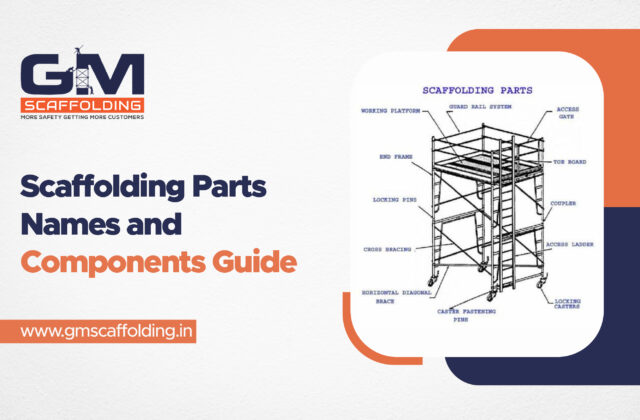
Also Read: https://blog.gmscaffolding.in/scaffolding-parts-names-and-components-explained/
Step-by-Step Scaffold Anchor Installation
Before drilling or tightening any scaffolding anchors, ensure that the substrate can withstand the calculated load.
Scaffold Anchor Installation Steps
- Identify the wall material and confirm its load-bearing capacity beforehand
- Choose an anchor bolt for scaffolding that is rated for the specified substrate
- Drill and fix according to the manufacturer’s embedment depth and torque values
- Attach the tie tube and coupler, then tighten the connection securely
- Proof-test important anchors before loading the scaffold above them
Contractors that need to source tie components and scaffold tubes for a project swiftly can use scaffolding rental in Coimbatore to keep installation timelines on track.
Scaffold Anchor Inspection and Maintenance
Scaffold anchor inspection and maintenance should begin at handover and continue at regular intervals throughout the project, especially after storms or significant site activity.
Scaffold Anchor Inspection Checklist
- Check for corrosion, loosening, or obvious movement at each anchor point
- Confirm that the tie tubes are tight and correctly linked
- Inspect soon after severe winds or near structural construction
- Inspections should be recorded in the scaffold registry to ensure compliance
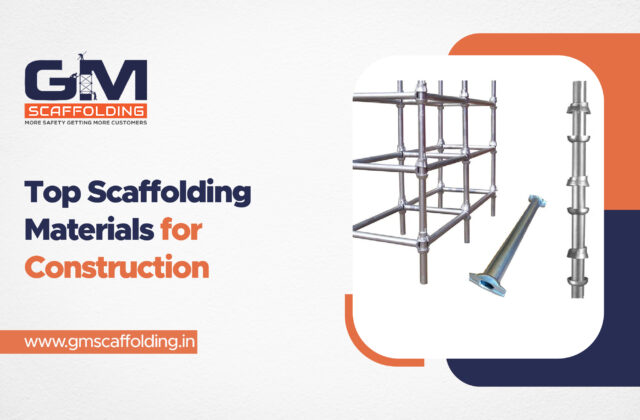
Also Read: https://blog.gmscaffolding.in/scaffolding-materials-guide-for-construction/
Common Scaffold Anchoring Mistakes
Even experienced personnel make typical scaffold anchoring blunders that jeopardise stability, generally due to rushed construction or underestimating wind exposure.
Mistakes to Avoid During Scaffold Anchoring
- Ties are spaced too far apart to save time and materials
- Ignoring the increased wind load from sheeting or debris netting
- Use box ties where through ties are structurally necessary
- Failure to examine anchors after weather events or increased loads
Conclusion
Getting scaffolding anchors – types, spacing and uses right is not optional, since a scaffold’s stability depends entirely on how well it is tied to the structure it supports. The vast majority of scaffold failures on site can be avoided by selecting the appropriate anchor type, spacing ties to match wind and load conditions, and regularly inspecting them.
Treat anchoring as an integral component of scaffold design rather than a last-minute bolt-on, and the structure will perform safely and predictably throughout the project, regardless of height or site conditions.
Frequently Asked Questions
1. What is an anchor in scaffolding?
A scaffolding anchor is a mechanism that secures the scaffold to a building or structure, ensuring stability and safety.
2. What are the different types of scaffolding anchors?
Common types include expansion anchors, chemical anchors, through ties, ring bolts, and cast-in anchors.
3. How is scaffolding anchor spacing calculated?
Anchor spacing is estimated using scaffold height, load requirements, wind conditions, and manufacturer recommendations.
4. What is the difference between a scaffold tie and an anchor?
A scaffold tie connects the scaffold to the anchor, whereas an anchor is the structure’s point of attachment.
5.Where should scaffold anchors be installed?
Scaffold anchors should be placed at predetermined tie locations on a robust and sturdy part of the structure.
6. What can happen if scaffolding is not properly anchored?
Improper anchoring can cause the scaffold to swing, become unstable, collapse, or pose significant safety risks to workers.