Scaffolding Risk Assessment Guide for Construction Sites
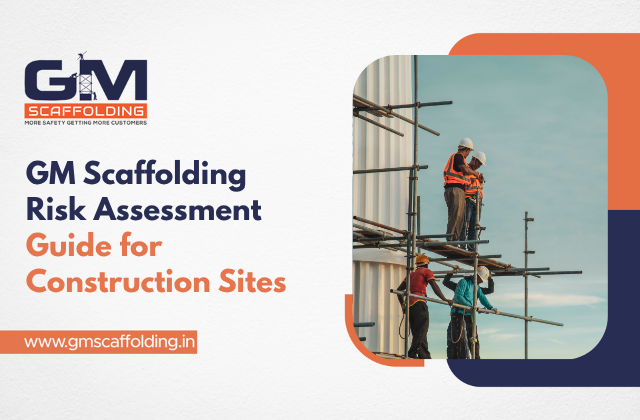
Table of Contents
- Quick Answer
- Quick Overview Table
- What Is a Scaffolding Risk Assessment?
- Why Scaffolding Risk Assessment Matters on Construction Sites
- Common Scaffolding Hazards to Identify
- Step-by-Step Scaffolding Risk Assessment Process
- Scaffolding Risk Assessment Checklist
- Control Measures for Safer Scaffold Work
- Responsibilities of Contractors, Supervisors, and Workers
- When to Review a Scaffold Risk Assessment
- Conclusion
- FAQs
Quick Answer
A scaffolding risk assessment guide for construction sites helps teams identify fall, collapse, and structural hazards before work begins, and then implement practical control measures such as guardrails, secure ties, and trained inspections. When used regularly, it decreases accidents, promotes legal compliance, and safeguards both workers and site schedules.
Quick Overview Table
| Aspect | Gist |
| Purpose | Identify scaffold hazards before work starts on site |
| Key hazards | Falls, collapse, unstable base, poor access, weather exposure |
| Process | Inspect, identify, assess, control, record, and review |
| Who’s responsible | Contractors, supervisors, competent persons, and workers |
| Review frequency | Before use, after changes, and at regular intervals |
| Outcome | Safer scaffold work and reduced site incident risk |
What Is a Scaffolding Risk Assessment Guide for Construction Sites?
A scaffolding risk assessment is an organised analysis of the potential dangers associated with installing, using, and disassembling scaffolding on a construction site. It identifies risks, assesses their severity, and establishes control mechanisms before work begins.
- Explains erection, use, and dismantling stages
- Identifies structural, fall, and access dangers
- Part of comprehensive building site risk assessment planning
- Document and reassess as situations change
Why Scaffolding Risk Assessment Matters on Construction Sites
Scaffold-related occurrences continue to be among the leading causes of construction site injuries, making scaffold safety risk assessment an essential component of competent site management rather than a mere formality. A missed hazard can completely derail a project, regardless of the human cost involved.
- Decreases fall and collapse injuries greatly
- Ensures legal and regulatory compliance
- Increases worker confidence in site safety requirements
- Prevents costly project delays and downtime
Common Scaffolding Hazards to Identify
Effective scaffolding hazards and control measures planning begins with identifying the most common dangers encountered on active construction sites, many of which can be avoided with early detection.
| Hazard | Typical Cause |
| Falls from height | Missing guardrails or unsecured edges |
| Scaffold collapse | Poor base support or overloading |
| Falling objects | Unsecured tools or debris on platforms |
| Unstable access | Damaged ladders or blocked walkways |
| Weather exposure | Wind, rain, or ice affecting stability |
Step-by-Step Scaffolding Risk Assessment Process
A working scaffold safety risk assessment often follows a uniform procedure, regardless of project size, to ensure that no hazard category is neglected before work begins.
- Inspect the site and intended scaffold placement.
- Identify potential hazards during each job stage.
- Determine the likelihood and severity of each risk.
- Implement suitable control measures before work begins.
- Report findings to the team.
- Review assessments at regular intervals.
Scaffolding Risk Assessment Checklist
Using This Scaffolding Risk Assessment Guide for Construction Sites Checklist
A scaffold risk assessment checklist helps to standardise inspections across teams and shifts, minimising the likelihood of a danger being overlooked due to different review practices.
- Checked ground stability, including base plates and sole boards
- Guardrails, toe boards, and edge protection are in situ
- Ensure ties and bracing are secured at appropriate intervals
- Ensure ladders and walkways are clear and stable
- Load restrictions are clearly shown and not exceeded
- The scaffold is labelled with the current inspection status
Control Measures for Safer Scaffold Work
Once hazards have been identified, scaffolding safety measures should be implemented in the order of efficacy, beginning with elimination or engineering controls before relying only on personal protective equipment.
- Install guardrails and toe boards on all platforms
- Apply fall protection risk assessment findings to guide harness use
- Ensure clear and unobstructed entry and egress pathways
- Conduct regular site safety control measures assessments
Responsibilities of Contractors, Supervisors, and Workers
Clear ownership ensures that a scaffold erection risk assessment is effective. For projects managed by scaffolding contractors in Tirupur, safety depends on collaboration across all roles on site rather than one person acting alone.
- Contractors: Overall planning and adherence to scaffold safety
- Supervisors: Daily inspections and reporting of hazards
- Workers: Adhering to protocols and swiftly reporting issues
When to Review a Scaffold Risk Assessment
A scaffold inspection checklist and associated risk assessment should never be viewed as a one-time operation, as site circumstances and scaffold structures vary throughout a project.
- Before first usage and after structural changes
- After harsh weather or prolonged inactive periods
- At regular intervals as per workplace safety regulations
Construction organisations looking for scaffolding in Coimbatore should ensure that local contractors use a documented working at height risk assessment methodology before beginning construction.
Conclusion
A complete scaffolding risk assessment guide for construction sites provides contractors and supervisors with a consistent method for identifying hazards before they become accidents. From identifying common risks to implementing control measures and conducting frequent assessments, each step contributes to a safer, more accountable site. Treating this process as continuous rather than a one-time checklist ultimately ensures scaffold work safety over the course of a project.
FAQs
1. What is a scaffolding risk assessment?
It is an organised examination of the hazards associated with installing, utilising, and disassembling scaffolding, followed by suitable control measures before work begins on-site.
2. Why is scaffolding risk assessment important on construction sites?
It reduces fall- and collapse-related injuries, promotes legal compliance, and ensures scaffold structures stay stable throughout a construction project.
3. What hazards should be checked during a scaffold risk assessment?
Key hazards include falls from heights, scaffold collapse, falling objects, unstable access points, and weather-related risks to structural integrity and worker safety.
4. Who is responsible for scaffolding risk assessment?
Contractors handle overall planning, supervisors make daily checks, and workers must adhere to regulations and report dangers promptly.
5. How often should scaffolding risk assessments be reviewed?
Assessments should be reviewed before first use, following structural alterations, extreme weather, and at regular intervals specified by site safety policy.
6. What control measures reduce scaffolding risks?
Guardrails, strong ties, fall protection equipment, clear access routes and regular inspections all contribute to decreasing scaffolding-related hazards on a building site.