Steel vs Aluminium Scaffolding: Which Is Better

Quick Answer
Steel vs aluminium scaffolding comes down to load, speed, and corrosion risk. aluminium is about 65% lighter (2,712 vs 7,850 kg/m³), so transport and setup are faster. Steel remains the go-to for heavy-duty stability and impact resistance. With 421 fatal falls in construction recorded in 2023, prioritize compliant guardrails and inspections over material alone.
Quick Overview
| Decision Factor | Steel | aluminium | Best Fit |
| Weight | Heavy, stable | Very light, portable | Frequent moves |
| Stiffness | Higher stiffness | Lower stiffness | Long spans vs mobility |
| Corrosion | Needs coating | Naturally resistant | Coastal, plants |
| Upfront Cost | Usually lower | Usually higher | Budget vs speed |
| Typical Use | Heavy-duty scaffolding | Lightweight scaffolding | Sites vs maintenance |
Table Of Contents
- Quick Answer
- Quick Overview
- Materials Comparison For Scaffolding Materials Comparison
- Steel Scaffolding Advantages For Heavy-Duty Scaffolding
- Aluminium Scaffolding Benefits For Lightweight Scaffolding
- Construction Scaffolding Types And Temporary Access Solutions
- Safety, Compliance, And Total Cost In India
- Selection Checklist For Procurement And Site Teams
- FAQs
- Conclusion
Materials Comparison For Scaffolding Materials Comparison
A scaffolding materials comparison is not just about strength. On Indian sites, the real trade-off is weight (handling speed), stiffness (feel under load), and corrosion (monsoon, coastal air, chemicals). Steel systems stay rigid and forgiving, while aluminium towers win on mobility. Use this quick table to decide faster and document it in your method statement. (Engineering ToolBox)
| Factor | Steel Scaffolding | aluminium Scaffolding | Site Impact |
| Density | About 7,850 kg/m³ | About 2,712 kg/m³ | Faster carrying with aluminium |
| Stiffness | Around 200 GPa | Around 69 GPa | Steel feels steadier |
| Corrosion | Needs galvanizing or paint | Better natural resistance | Useful in coastal zones |
| Best Load Profile | High loads, staging | Light-to-medium tasks | Match to load class |
| Best Mobility | Lower | Higher | Ideal for shift work |
If your crew moves the scaffold daily or works indoors, price an aluminium tower first. If the scaffold stays up for weeks, carries material stacks, or takes frequent knocks, start with steel. For larger projects, compare transport trips and assembly hours, not only purchase or rental rates, then standardize on one system for fewer parts issues.
Read More: https://blog.gmscaffolding.in/types-of-scaffolding-in-construction/
Steel Scaffolding Advantages For Heavy-Duty Scaffolding
Steel scaffolding advantages show up when loads are high and conditions are rough. Because steel is much stiffer (about 200 GPa), platforms deflect less under comparable geometry. In India, common structural steel grades such as E250 list minimum yield strength values around 250 MPa for thinner sections, supporting heavy-duty scaffolding layouts when properly designed and tied.
- Higher stiffness, less bounce on long bays and stacked lifts. (Engineering ToolBox)
- Better impact resistance for masonry, façade, and material handling.
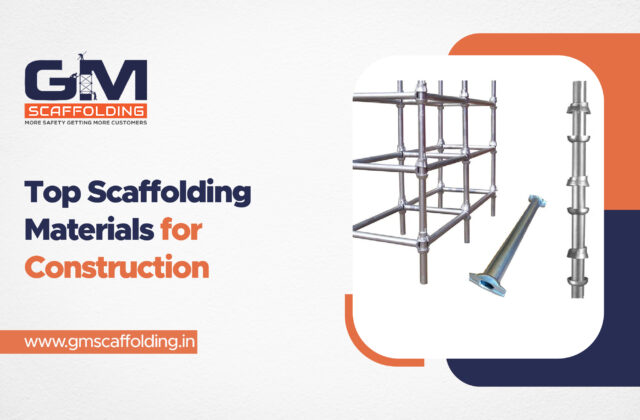
- Works well for durable scaffolding options like cuplock and tube-and-coupler. (OSHA)
- Corrosion needs management, galvanizing, touch-up paint, and storage discipline.
- Cost signal: one safety-industry estimate lists steel sets lower than aluminium.
For slab edges, façade access, or any work involving heavy tools and repeated loading, specify steel and lock down the safety basics: base plates on firm footing, correct ties, full planking, and rated access ladders. If you are renting in Tamil Nadu, ask for a steel system proposal sized to your pour cycles and dismantling plan. (GM Scaffolding)
Aluminium Scaffolding Benefits For Lightweight Scaffolding
Aluminium scaffolding benefits are most evident on fast-moving jobs. Less weight means fewer manual handling risks, quicker redeployment between work fronts, and easier logistics in tight interiors. Common structural aluminium alloys used in access equipment can still be strong, for example, 6061-T6 lists typical yield strength around 276 MPa, but stability depends heavily on correct stabilization.
- Lightweight scaffolding reduces carrying time and crew fatigue. (Engineering ToolBox)
- Faster assembly and relocation, ideal for shutdown maintenance teams.
- Better corrosion resistance for coastal or washdown environments.
- Watch stiffness: lower modulus can mean more sway at height. (MatWeb)
- India market signal: aluminium tower pricing varies widely by height.
If your access need is “move, lock, work, repeat,” aluminium towers are usually the simplest temporary access solution. Make the decision safer by standardising guardrails, outriggers, and castors across sites, then training crews on locking and levelling before every shift. For multi-story exteriors, choose engineered systems, not improvised towers.
Construction Scaffolding Types And Temporary Access Solutions
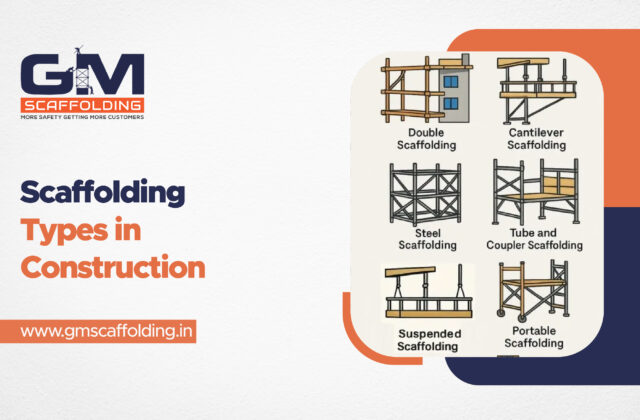
Construction scaffolding types matter as much as the material. Deciding between steel and aluminium scaffolding becomes easier once you first lock in the scaffold type: frame, system, tube-and-coupler, or mobile tower. Some types are naturally heavy-duty, while others are optimized for quick indoor access. Use this table to match your construction scaffolding types to your work method and relocation frequency.
| Scaffolding Type | Typical Material | Strengths | Best Use |
| Tube And Coupler | Steel | Very strong, versatile geometry | Heavy loads, complex shapes |
| Fabricated Frame | Steel | Economical, easy stacking | Low-to-mid rise exteriors |
| System Scaffold | Steel | Fast nodes, repeatable bays | Façades, slabs, plants |
| Mobile Tower | aluminium | Fast moves, easy transport | Interiors, MEP, maintenance |
| Suspended Platforms | Mixed | Reaches difficult façades | High-rise façade access |
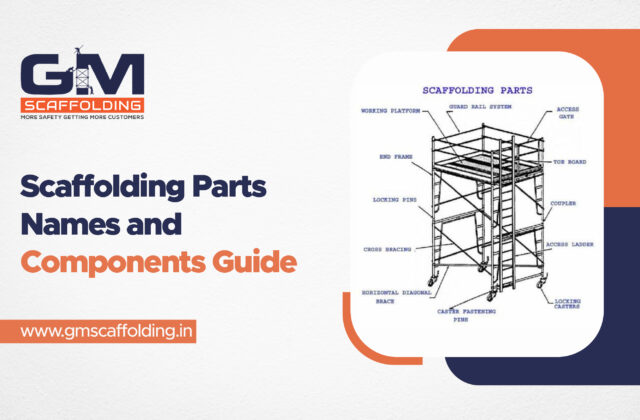
- For “odd shapes,” tube-and-coupler adapts well but needs skilled erection.
- For “repeatable bays,” system scaffolds reduce connection variability.
- For “indoors and frequent moves,” aluminium towers reduce downtime between tasks.
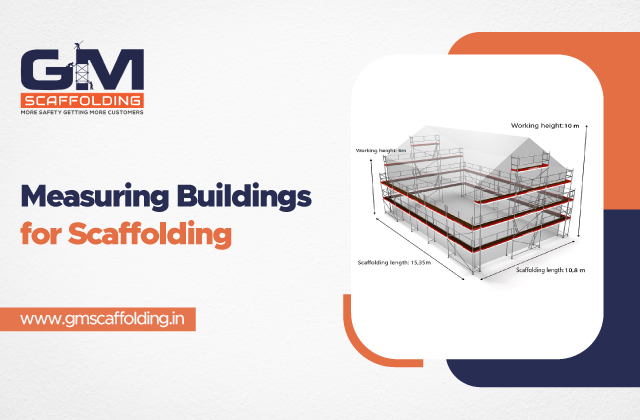
Create a simple site rule: decide scaffold type first, then decide material. When you tender, specify the work height, load class, relocation frequency, and required protection (guardrails, toe boards, access). That prevents suppliers from quoting mismatched systems and helps safety officers audit against a clear baseline.
Safety, Compliance, And Total Cost In India
Safety officers and site supervisors usually see the real cost of scaffolding: rework, delays, and near-misses. Indian tenders commonly require scaffolding to conform to relevant Indian Standards like IS 4014, and they spell out practical controls like handrails and base plates for light and heavy duty scaffolds. Treat compliance as a procurement requirement, not a site afterthought.
“Protecting these workers from scaffold-related accidents would prevent 4,500 injuries and 50 deaths every year.” (OSHA)
“This standard (Part 2) covers safety provisions… design and construction of scaffolding.” (Bureau of Indian Standards)
| Control Item | What “Good” Looks Like | Why It Matters | Proof To Ask |
| Guardrails | Provided for higher platforms | Prevents falls | Inspection tag, checklist |
| Base Plates | Sized for light/heavy duty | Stability at foundation | Method statement |
| Standards | IS 4014 referenced | Uniform safety baseline | Compliance declaration |
| Supervision | Competent supervisor present | Prevents unsafe changes | Supervisor deployment plan |
| Load Testing | Certificates available | Confirms capacity | Valid certificates |
- Some Indian tender specs cite 150 kg/m² light and 300 kg/m² heavy duty references.
- Guardrail expectations can start as low as 2 m in some tender documents.
- Total cost includes handling time, transport trips, and damage replacements.
- Market pricing varies by city, height, and rental duration.
For procurement managers, “best value” is the system that hits safety and schedule with minimal rehandling. Ask vendors to quote with an erection plan, supervision scope, and safety accessories included, then compare life-cycle costs: labor hours, transport, and component losses. This is where aluminium can win on fast moves and steel wins on long-duration heavy work.
Related: https://blog.gmscaffolding.in/how-to-calculate-scaffolding-rental-budget/
Selection Checklist For Procurement And Site Teams
Scaffolding for construction projects fails most often at the interfaces: missing accessories, mixed parts, rushed erection, or unclear load limits. Use this checklist to make steel vs aluminium scaffolding decisions repeatable across sites, whether you are building a high-rise, renovating, or running industrial maintenance. It also helps procurement defend the decision with documented criteria.
- Define max working load and material staging needs (not only headcount).
- Choose scaffold type first: system, frame, tube-and-coupler, tower.
- Decide mobility: fixed for weeks (steel) vs moved daily (aluminium).
- Specify safety kit: guardrails, toe boards, access ladders, tags.
- Confirm compliance: IS 4014 reference and inspection process.
Next step: shortlist two compliant options and run a 30-minute “walk-through estimate” with your safety officer and supervisor. If you need local support, use the internal service pathway for aluminium scaffolding in coimbatore and request a mixed quote (steel systems plus aluminium towers) so each work-front gets the right temporary access solution. (GM Scaffolding)
FAQs
Which is safer, steel or aluminium scaffolding?
Both can be equally safe when engineered, erected, and inspected correctly. The bigger safety drivers are platform width, guardrails, ties, base plates, and competent supervision. Choose steel for higher loads and impact risk, and aluminium for mobile towers where frequent moving and quick setup matter.
How do I decide between lightweight scaffolding and heavy-duty scaffolding?
Start with your maximum working load, lift frequency, and how often the scaffold relocates. Heavy-duty scaffolding usually favors steel system scaffolds for stiffness and robustness. Lightweight scaffolding favors aluminium towers for faster transport, faster assembly, and less manual handling strain.
Does aluminium scaffolding rust in coastal or chemical environments?
aluminium does not rust like steel, and it generally resists corrosion well, which is useful near the coast or in plants. Still, avoid galvanic contact with dissimilar metals, keep components clean, and inspect welds, castors, and locking pins after washdowns or chemical exposure.
Is aluminium scaffolding strong enough for construction projects?
For many tasks, yes. aluminium towers and platforms are designed for specified load classes, and common alloys can have high yield strength. The limiting factor is often stiffness and buckling, not just strength, so always follow the manufacturer’s height-to-base limits and stabilization requirements.
What are the most common construction scaffolding types in India?
You will typically see tube-and-coupler (MS pipe), fabricated frame, and system scaffolds like cuplock or ringlock for façades and slabs. For interiors and maintenance, mobile aluminium towers are common. The best type depends on height, geometry, load class, and access needs.
What should procurement managers ask for before renting scaffolding?
Ask for the scaffold type and load class, bill of materials, erection method statement, and inspection checklist. Confirm compliance with relevant standards, availability of guardrails and toe boards, and the supplier’s supervision support. Also request a clear tariff for transport, erection, and dismantling.
How often should scaffolding be inspected on site?
Inspect before first use, after any modification, after severe weather, and at regular intervals defined in your site safety plan. Many sites use a daily visual check plus a documented periodic inspection by a competent person. Tag systems help keep the status visible to everyone.
Is steel scaffolding always cheaper than aluminium?
Steel is often cheaper upfront, but total cost depends on transport, labor hours, maintenance, and reuse rate. If the scaffold moves frequently, aluminium can reduce handling time and damage. If it stays erected and carries heavy materials, steel usually delivers better value.
Conclusion
Steel vs aluminium scaffolding is really a decision about site reality: load, mobility, and environment. Choose steel for heavy-duty scaffolding, long durations, and higher stiffness. Choose aluminium for lightweight scaffolding, frequent moves, and corrosion-prone locations. Whatever you pick, lock in standards, accessories, and inspections so safety and productivity rise together.
Need a fast, compliant temporary access plan for your next project? Share your work height, load needs, and site location, and GM Scaffolding can recommend the right mix of steel systems and aluminium towers, plus erection and safety accessories. Reach the team via the GM Scaffolding contact page and request a site-ready quote.
References
- https://www.osha.gov/stop-falls
- https://www.osha.gov/sites/default/files/notes.pdf
- https://www.engineeringtoolbox.com/metal-alloys-densities-d_50.html
- https://www.engineeringtoolbox.com/young-modulus-d_417.html
- https://law.resource.org/pub/in/bis/S03/is.2062.2011.pdf
- https://standardsbis.bsbedge.com/BIS_Preview.aspx?id=4014_2_2013_Reaff2023
- https://www.matweb.com/search/datasheet.aspx?matguid=b8d536e0b9b54bd7b69e4124d8f1d20a&n=1
- https://www.safetyandhealthmagazine.com/articles/13678-the-cost-of-scaffolding
- https://swastikcorp.com/Cost-of-aluminium-scaffolding.html
- https://www.selvalakshmiandco.co.in/movable-scaffold-tower.html
- https://gmscaffolding.in/about.html
- https://gmscaffolding.in/contact.html