Tubular Scaffolding: Types, Components, Uses & Safety Guide
Quick Answer
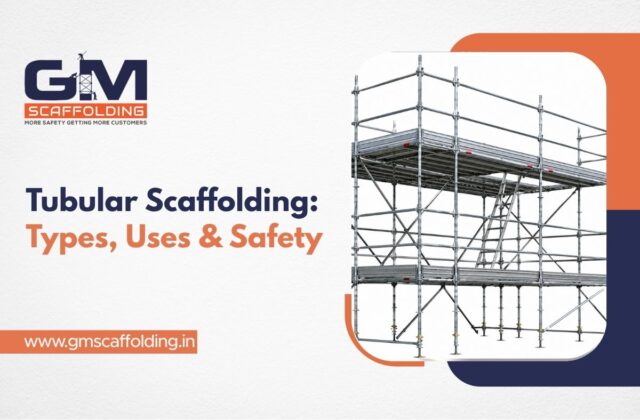
Tubular scaffolding is a modular tube-and-coupler scaffold made of steel or aluminium tubes connected with couplers and used on construction and industrial sites. It offers adjustable height, high load capacity, and reusability, making it excellent for irregular structures where prefabricated frames do not fit.
Quick Overview Table
| Aspect | Details |
| System Type | Tube and coupler scaffold, fully modular |
| Material | Galvanised steel or aluminium tubes |
| Best For | Irregular structures, bridges, industrial plants |
| Key Advantage | High load capacity, long-term reusability |
| Safety Requirement | Regular inspection, certified worker training |
Table of Contents
- Introduction
- What is Tubular Scaffolding?
- Advantages of Tubular Scaffolding Systems
- Types of Tubular Scaffolding
- Components of Tubular Scaffolds
- Common Uses of Tubular Scaffolding
- What to Consider When Choosing Tubular Scaffolding
- Safety Considerations for Tubular Scaffolding
- Conclusion
- FAQs
Introduction
Tubular scaffolding is a versatile access system used on construction and industrial projects. It is made of steel or aluminium tubes coupled with couplers and can be used in intricate buildings where regular frames would not fit. This tutorial describes how tubular scaffolding helps construction workers operate more efficiently and safely, from selecting the proper type to understanding its components and safety standards.
What is Tubular Scaffolding?
This tube-and-coupler system creates a rigid platform by connecting steel or aluminium tubes with couplers. Unlike prefabricated frames, it can be tailored to practically any building shape, making it ideal for complex facades and heavy industrial applications.
- Made from standard-length steel or aluminium tubes
- Joined with load-rated couplers and fittings
- Reused in multiple projects with adequate maintenance
Are you considering a custom access solution? Compare aluminium scaffolding providers in Coimbatore to find lightweight solutions suitable for tight urban settings, and double-check coupler ratings beforehand.
Advantages of Tubular Scaffolding Systems
This scaffold structure is extremely versatile for challenging job situations. Its component-based architecture allows workers to create platforms of nearly any height or shape, making it ideal for renovation, new construction, and heavy maintenance work.
- Adaptable to uneven or curved constructions
- Excellent load-bearing capacity for large tasks
- Cost-effective for huge, long-term projects
Weigh these advantages against timeline and price, as tubular systems require more assembly time than pre-engineered frames; nonetheless, flexibility usually prevails on irregular sites.
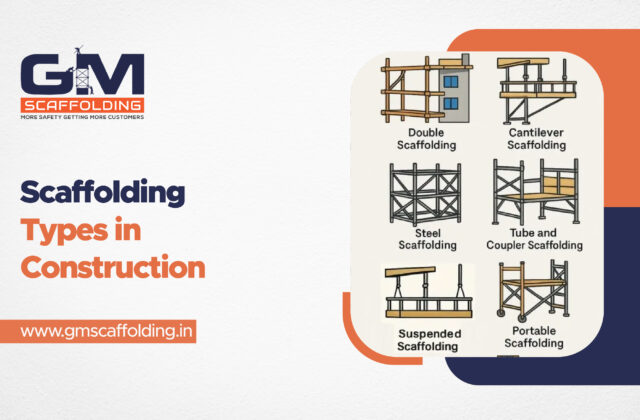
Types of Tubular Scaffolding
Different site conditions call for different tube and coupler configurations. The appropriate type is determined by the load, height, terrain, and duration of the project.
| Type | Description |
| Single Scaffold | One row of standards, for brick walls |
| Double Scaffold | Two rows, ideal for stone masonry |
| Cantilever Scaffold | Supported without ground contact |
| Suspended Scaffold | Hung from roof for high-rise access |
| Trestle Scaffold | Mobile, for indoor low-height work |
Before ordering, make sure the type matches the material and height of your construction, as switching configurations mid-project wastes time and money.
Also Read: https://blog.gmscaffolding.in/single-vs-double-scaffolding/
Components of Tubular Scaffolds
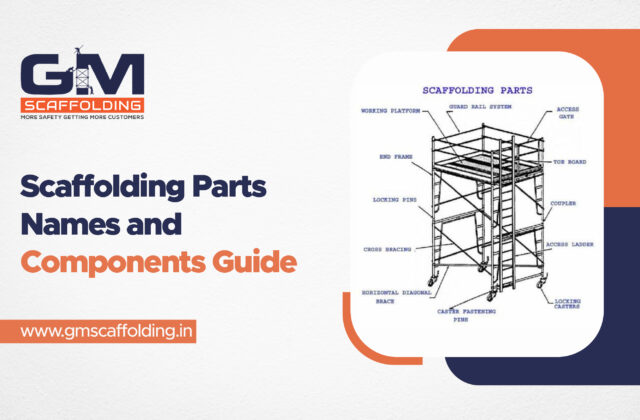
Tube and coupler systems rely on standardised elements that lock together to distribute weight evenly, allowing supervisors to identify missing or defective components before workers climb.
- Standards: Vertical tubes that bear the principal load
- Ledgers and transoms: Comprise the working platform
- Base plates: Disperse loads on the ground
Sourcing high-quality parts is as important as design. Teams examining scaffolding in Erode vendors should ensure that each coupler and base plate has a suitable load rating.
Connecting and Supporting Components of Tubular Scaffolding
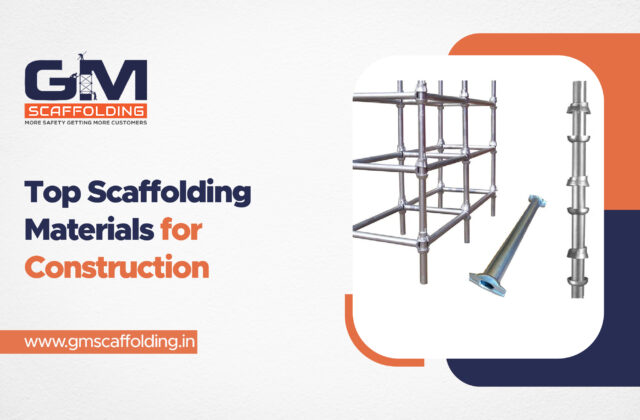
Couplers are the foundation of each tube-and-coupler system, and they come in three types: right-angle, swivel, and sleeve, each with its own structural purpose.
- Right-angle couplers connect tubes at 90 degrees
- Swivel couplers link tubes at any angle
- Sole boards spread the load on soft ground
Check couplers for fractures or worn threads before each use, as hardware failure is a leading cause of scaffold collapse.
Common Uses of Tubular Scaffolding
This method is suitable for a wide range of activities, from routine building maintenance to complex industrial shutdowns, when typical frame scaffolds cannot meet the site’s design requirements.
- New building construction and facade work
- Bridge and infrastructure maintenance projects
- Industrial plant closures and equipment access
Before reserving a scaffold for these operations, be sure the supplier’s tubes fulfil the current load and corrosion criteria for your industry.
What to Consider When Choosing Tubular Scaffolding
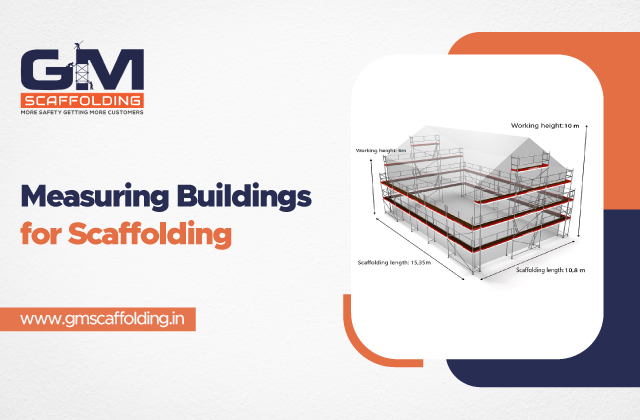
Choosing the correct access system begins with your site’s specific requirements, rather than what is accessible locally. Height, load, ground conditions, and duration are all important.
- Total height and number of work levels
- Maximum load includes workers and materials
- Ground stability and anchoring points
Request a site study before finalising an order, as ground conditions frequently alter the recommended layout.
Safety Considerations for Tubular Scaffolding
Working at heights poses a significant risk; thus, crews must approach access equipment as a crucial safety system. Consistent inspection, trained workers, and sufficient fall protection all contribute to a considerable reduction in accidents.
Maintaining and Inspecting the Scaffold
Routine examination detects bent tubes, loose couplers, and missing base plates before they become dangers. Most codes mandate inspections upon handover, regularly, and following extreme weather.
- Check the couplers for tightness and cracking
- Inspect tubes for bends, rust, and dents
- Verify that the guardrails and toe boards are intact
To safeguard both workers and contractors, keep track of each inspection, including the date and results.
Worker Training and Safety Guidelines
Scaffolding should only be erected, altered, or dismantled by trained and certified workers, as faulty assembly is a typical cause of collapse.
- Complete certified erection training before assembly
- Understand the safe working load limitations of each level
- Know the emergency protocols for scaffolding incidents
Schedule refresher training annually or whenever new equipment is introduced.
Ensuring Adequate Fall Protection
Guardrails, toe boards and harness anchorage points are the final line of defence against falls from heights.
- Install guardrails at all open working edges
- Provide toe boards to prevent falling tools
- Anchor harnesses to rated and inspected points
Fall protection should be treated as non-negotiable, regardless of job duration.
Conclusion
Tubular scaffolding remains one of the most versatile access solutions in construction, providing strength and flexibility that prefabricated frames cannot match. Every stage is critical for protecting workers and project timeframes, from selecting the appropriate type to adhering to tight inspection protocols.
FAQs
1. What is tubular scaffolding?
It is a tube-and-coupler scaffold made of steel or aluminium tubes, connected by couplers to provide temporary access. It is suitable for uneven buildings and industrial areas where prefabricated frames do not fit.
2. What are the main types of tubular scaffolding?
Scaffolding comes in several varieties, including single, double, cantilever, suspended, and trestle. Each is designed to meet a variety of structural requirements, ranging from brickwork support to high-rise access without ground contact.
3. What are the advantages of tubular scaffolding systems?
When properly maintained, these systems provide high load capacity, adaptability to uneven structures, and a long service life, making them more versatile than prefabricated frames.
4. What components are used in tubular scaffolding?
Standards, ledgers, transoms, couplers, and base plates are essential components that bear loads, form the platform, and securely anchor the structure to the ground.
5. How often should tubular scaffolding be inspected?
It should be inspected before first use, upon handover, weekly throughout work, and after severe weather or alteration to detect hazards before they cause an accident.
6. What safety precautions should be followed when using tubular scaffolding?
Follow certified erection processes, keep guardrails in good condition, securely anchor fall-arrest harnesses, and never exceed the rated load limit. Only trained workers should build or modify the structure.