Scaffold Inspection Checklist For Safer Sites
Quick Answer
Base jack and u jack in scaffolding support safe height adjustment at the bottom and top of a scaffold. Base jacks level standards on uneven ground, while U jacks hold beams, channels, or decking. In India’s fast-growing construction market, now projected to be the world’s third largest by 2030, correct jack selection directly affects stability.
Quick Overview
| Point | Best Answer |
| Main Difference | Base jack supports bottom, U jack supports top. |
| Primary Use | Level, adjust, and transfer scaffold loads. |
| Best For | Builders handling uneven floors or beam supports. |
| Key Check | Inspect thread, plate, weld, and locking position. |
| Rental Tip | Choose compatible jacks from one scaffold system. |
Table Of Contents
- Quick Answer
- Quick Overview
- What Are Base Jack And U Jack In Scaffolding
- Base Jack In Scaffolding
- U Jack In Scaffolding Uses
- Base Jack Vs U Jack For Builders
- How To Choose Scaffolding Jack Types
- Safe Setup Checklist For Base Plate Jack Scaffolding
- Common Mistakes To Avoid
- FAQs
- Conclusion
What Are Base Jack And U Jack In Scaffolding
Base jacks and U jacks are adjustable scaffolding accessories used to fine-tune height, support, and load transfer. A base jack in scaffolding works at ground level, while a U head jack scaffolding component supports beams at the top. For builders, these small parts prevent big alignment issues.
“India is currently the world’s 3rd largest construction equipment market.” Source: Invest India. (Invest India)
- Base Jack: Used under vertical standards for leveling and load spread.
- U Jack: Used on top to hold beams, channels, or formwork.
- Adjustment Range: Depends on scaffold system and thread length.
- Best Practice: Use only with compatible scaffolding components.
- Site Benefit: Better leveling reduces wobble, gaps, and unsafe load paths.
Before renting or fixing jacks, check your scaffold layout, surface level, expected load, and platform height. A small mismatch in jack type can create expensive rework. For local rental support, builders can use Aluminium scaffolding suppliers in coimbatore as a natural next step.
Base Jack In Scaffolding
A base jack in scaffolding, also called an adjustable base jack or scaffolding leveling jack, sits below the scaffold standard. It helps adjust height where flooring, soil, or concrete is uneven. The goal is simple: keep the scaffold vertical, balanced, and properly supported from the bottom.
| Feature | Practical Meaning |
| Position | Bottom of scaffold standards. |
| Main Function | Levels scaffold on uneven surfaces. |
| Common Form | Threaded stem with welded base plate. |
| Best Use | External work, flooring differences, temporary platforms. |
| Builder Check | Confirm full contact with firm ground. |
Use a base plate jack scaffolding setup only after checking ground bearing. Loose soil, broken tiles, and sloped slabs need sole boards or proper bearing plates. Never compensate bad ground with extra jack extension. That may look convenient, but it can reduce stability and make the scaffold feel shaky.
U Jack In Scaffolding Uses
A U jack in scaffolding, often called a U head jack scaffolding part, is placed at the top of a vertical support. Its U-shaped head holds timber beams, steel channels, or formwork members. Builders use it when loads must sit neatly above the scaffold or support system.
| Feature | Practical Meaning |
| Position | Top of standards or props. |
| Main Function | Holds beams, channels, or decking members. |
| Common Form | U shaped head with threaded stem. |
| Best Use | Slab support, formwork, beam placement. |
| Builder Check | Member sits fully inside U head. |
The U head jack uses are different from a base jack, even though both may look adjustable. Do not use a U jack as a ground support. Keep the beam centered inside the head, avoid side loading, and confirm that the supported member cannot roll, tilt, or slip.
Base Jack Vs U Jack For Builders
The base jack vs U jack question is mostly about position and load direction. A base jack supports from below and corrects ground-level height. A U jack receives load from above and holds the top member. Both are useful, but they are not interchangeable on a safe scaffold.
| Criteria | Base Jack | U Jack |
| Location | At scaffold base. | At scaffold top. |
| Load Role | Transfers loads to ground. | Receives beam loads. |
| Shape | Flat plate. | U shaped head. |
| Best Need | Ground leveling. | Beam or formwork support. |
| Wrong Use | Top beam holder. | Floor contact point. |
Choose the jack by asking one question: where does the load need control? If the issue is uneven ground, use a base jack. If the issue is beam seating, use a U jack. For better rental planning, list every support point before ordering scaffolding accessories.
How To Choose Scaffolding Jack Types
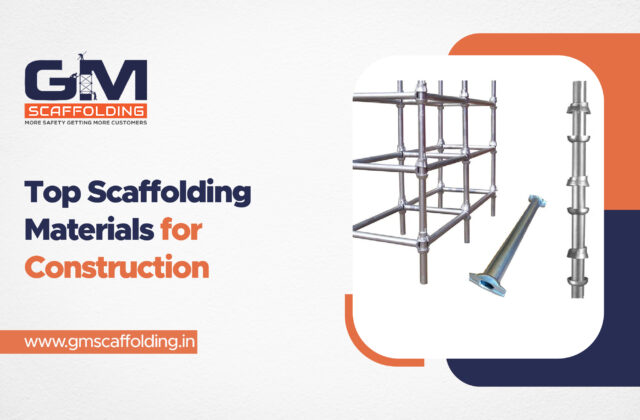
Choosing scaffolding jack types should not be a last-minute site decision. Builders should check scaffold height, surface condition, load requirement, frame type, and rental compatibility. In a busy project, the safest choice is usually the jack recommended for that exact scaffolding system.
- For Leveling: Use an adjustable base jack with proper base contact.
- For Beam Support: Use a U head jack with correct beam seating.
- For Heavy Work: Check rated load and system compatibility.
- For Rental Sites: Avoid mixing parts from unknown scaffold brands.
- For Reuse: Inspect thread damage, rust, bends, and weld cracks.
Ask your rental supplier for a scaffolding components guide before dispatch. It should mention compatible standards, frames, jacks, base plates, and locking parts. This saves time during erection and helps avoid that common site headache where parts arrive, but they do not properly fit.
Safe Setup Checklist For Base Plate Jack Scaffolding
Scaffold safety starts from the support points. OSHA notes that scaffold incidents can involve support giving way, slips, missing fall protection, or falling objects, so builders should treat every scaffolding support jack as a safety-critical part, not a small accessory.
“Scaffold incidents causing injury or death to workers is often the result of either the planking or support giving way.” Source: OSHA. (osha.gov)
- Check Surface: Use firm, compact, and level bearing wherever possible.
- Check Threads: Avoid cracked, jammed, or over-worn threaded stems.
- Check Extension: Do not overextend beyond supplier guidance.
- Check Load Path: Keep standards vertical and centered on jacks.
- Check After Work Starts: Reinspect after rain, vibration, or shifting loads.
Make this checklist part of daily site inspection, especially during plastering, cladding, ACP work, and building repair. GM Scaffolding highlights safety, high-quality equipment, and rental services across Coimbatore, Tirupur, Salem, and Erode, making supplier support useful for regional builders.
Common Mistakes To Avoid
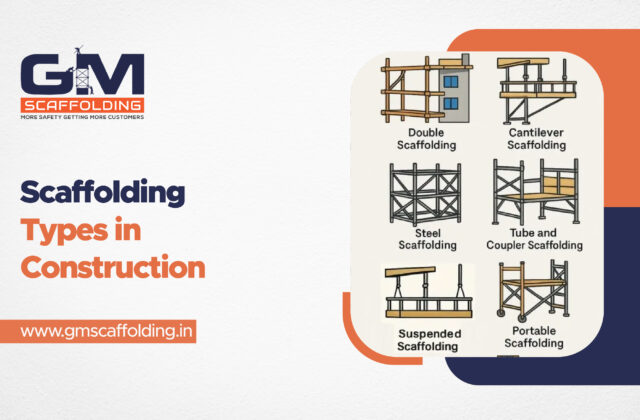
Most jack-related scaffold problems come from small shortcuts. Builders may overextend jacks, skip sole boards, mix incompatible scaffolding components, or use a U jack where a base jack belongs. These mistakes can reduce load transfer quality and make the scaffold harder to inspect.
| Mistake | Better Action |
| Overextending jack | Keep within safe adjustment range. |
| Mixing parts | Use one compatible system. |
| Ignoring ground | Add proper sole board support. |
| Side loading U head | Keep beams centered. |
| Skipping inspection | Check before each work shift. |
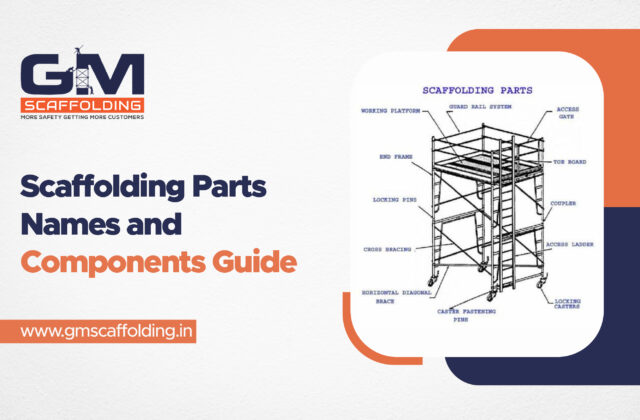
Train workers to identify base jack, U jack, base plate, coupler, frame, and platform parts by name. This sounds basic, but it improves communication fast. When everyone uses the same terms, mistakes reduce, rental orders become clearer, and scaffold handover becomes smoother.
Also Read: https://blog.gmscaffolding.in/h-frame-scaffolding-guide-for-construction/
FAQs 2
1. What Is The Main Use Of Base Jack And U Jack In Scaffolding?
Base jacks support the scaffold from the ground and help level it. U jacks support beams, channels, or formwork at the top. Together, they help builders adjust height, improve load transfer, and keep scaffold arrangements more stable during construction or repair work.
2. Is A Base Jack The Same As A U Jack?
No, they are different scaffolding jack types. A base jack has a flat plate and sits at the bottom. A U jack has a U-shaped head and sits at the top. Using one in place of the other can create unsafe support conditions.
3. Where Is A Base Jack Used In Scaffolding?
A base jack is used below scaffold standards or frames, mainly where the floor or ground is uneven. It helps keep the scaffold level and vertical. Builders should place it on firm ground, proper sole boards, or suitable bearing surfaces.
4. Where Is A U Jack Used In Scaffolding?
A U jack is used at the top of scaffold standards, props, or support arrangements. It holds beams, channels, timber, or formwork members. The supported member should sit properly inside the U head and should not be loaded from one side.
5. Can Builders Use U Jack As A Base Jack?
Builders should not use a U jack as a base jack. The shape and purpose are different. A U jack is made to hold top members, while a base jack is made to distribute load at ground level through a base plate.
6. How Do I Choose The Right Scaffolding Support Jack?
Start with the support location. Choose a base jack for ground leveling and a U head jack for top beam support. Then check load rating, thread condition, system compatibility, and rental supplier guidance before using the jack on site.
7. What Should I Inspect Before Using Adjustable Base Jack
Check the threaded stem, nut movement, weld quality, plate condition, rust, bending, and ground contact. Also confirm the jack is compatible with the scaffold standard. If threads are jammed or damaged, remove that jack from site use.
8. Are Base Jacks And U Jacks Available On Rent?
Yes, scaffolding rental suppliers commonly provide base jacks, U jacks, frames, platforms, ladders, and other scaffolding accessories. For builders in Tamil Nadu, rental can reduce upfront cost and make it easier to match parts with project duration.
Conclusion
Base jack and u jack in scaffolding may look simple, but they decide how loads move through the scaffold. Use base jacks for leveling at the bottom. Use U jacks for beam support at the top. Keep parts compatible, inspect daily, and avoid using one jack type for another purpose.
Planning a safe scaffold setup for painting, plastering, cladding, ACP work, or building repair? Connect with GM Scaffolding for rental scaffolding support in Coimbatore and nearby regions. Their site lists aluminium, MS, cuplock, H-frame, pipe, mobile, and lift scaffolding rental options for builders.
References
- Invest India, Construction Sector Overview: https://www.investindia.gov.in/sector/construction
- OSHA, Scaffolding Construction Safety: https://www.osha.gov/scaffolding/construction
- GM Scaffolding, Home Page: https://gmscaffolding.in/
- GM Scaffolding, Scaffolding Rental Services In Coimbatore: https://gmscaffolding.in/scaffolding-in-coimbatore.html