Scaffolding for Exterior Painting and Plastering: Selection and Safety Guide
Quick Answer
The right scaffolding for painting is determined by the building’s height, wall access, project duration, crew size, and the amount of tools and materials required. Most basic exterior tasks may be completed with frame scaffolding. Still, larger or curved facades may require suspended or movable tower systems, which should always be accompanied by suitable guardrails and secure access.
Quick Overview Table
| Aspect | Gist |
| Common choice | Frame or tube-and-coupler scaffolding for standard walls |
| Tall buildings | Suspended or mast climbing systems for facade access |
| Short jobs | Mobile tower scaffolds for quick repositioning |
| Plastering needs | Sturdier platforms to support material and tool load |
| Rental factor | Duration, height, and crew size affect rental choice |
| Safety essentials | Guardrails, toe boards, secure ties, and inspections |
Table of Contents
- Introduction
- How Do You Choose Scaffolding for Painting and Plastering?
- How to Choose Scaffolding for Painting: Key Factors
- Scaffolding for Plastering Work: Special Considerations
- Renting vs Buying: Painting Scaffolding Rental Options
- Facade Painting Scaffolding for Taller Buildings
- Scaffolding Safety for Painting and Plastering
- FAQs
- Conclusion
Introduction
Exterior painting and plastering both require a stable, safe working platform, but selecting the improper scaffolding is a major cause of delays, damaged walls, and site injuries. Choosing scaffolding for painting is more than just renting the nearest accessible option; it depends on building height, wall access, and the length of time the crew will be working at height. Material load is also important, as plastering tools and wet plaster weigh far more than a few paint cans and rollers.
This guide explains the many types of scaffolding, essential selection variables, and safety precautions that painters and plastering teams should take before beginning external work, whether on a single-story home or a higher commercial building.
How Do You Choose Scaffolding for Painting and Plastering?
Why the Right Scaffolding Matters for Painting and Plastering
A mismatched scaffold slows painting teams and increases the risk of an accident, especially if the platforms are too narrow for paint buckets, rollers, or plastering tools. Aside from safety concerns, the incorrect setup might affect the quality of the completed surface, since unstable platforms make even, controlled strokes difficult to create.
- Poor access consumes time moving ladders and platforms
- Unstable platforms increase the risk of falling and dropping materials
- Properly sized scaffolding increases finish quality and consistency
- Delays from re-scaffolding add unplanned cost to the project
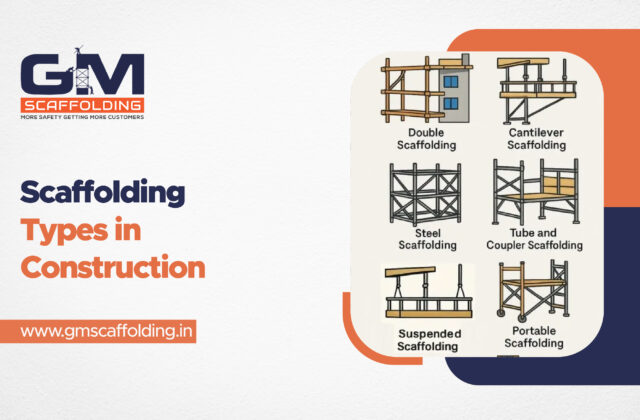
Types of Scaffolding for Exterior Painting and Plastering
Many types of scaffolding are suitable for external painting and plastering, each with a different building height, wall shape and project duration. Choosing between them early prevents costly changes midway through a project.
| Type | Best Suited For |
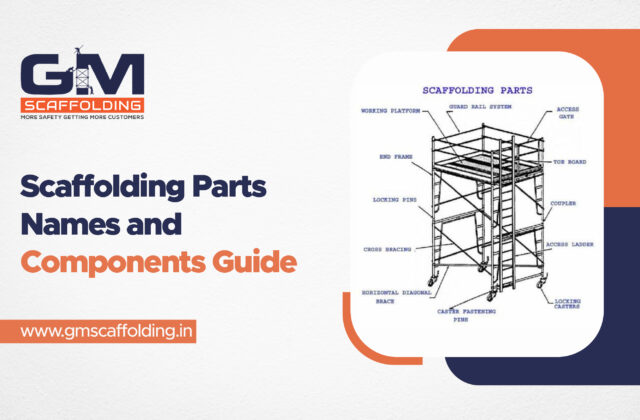
| Frame scaffolding | Standard walls, straightforward painting jobs |
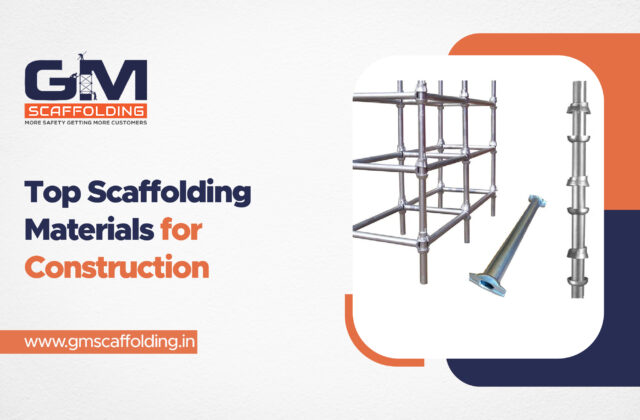
| Tube and coupler | Irregular facades or custom wall shapes |
| Mobile tower scaffolds | Short jobs needing frequent repositioning |
| Suspended or swing stage | Tall buildings and multi-storey facade painting |
| Mast climbing platforms | Continuous vertical access on high-rise exteriors |
How to Choose Scaffolding for Painting: Key Factors
Choosing the correct scaffolding for painting requires tailoring the platform to the project, rather than simply selecting whatever is available or the cheapest at the time. A brief review of these aspects before booking saves time and money afterwards.
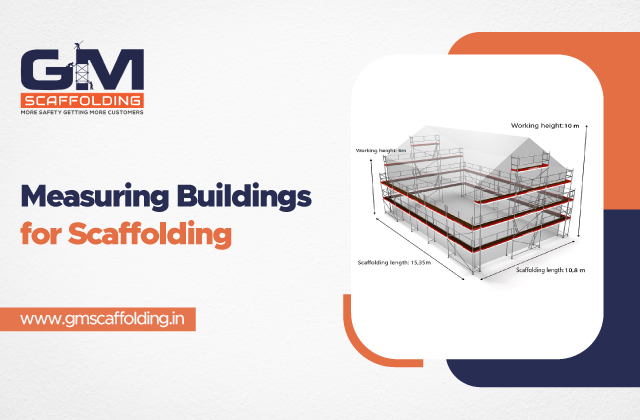
- Building height and number of storeys involved
- Wall access, including bends, curves, and impediments
- Estimated project duration and team size
- Load specifications for paint, plaster, and tools
- Local meteorological conditions during the project window
Painters considering a scaffolding rental in Coimbatore should clarify these details with the supplier before booking, since improper sizing frequently results in costly mid-project revisions.
Scaffolding for Plastering Work: Special Considerations
Plastering scaffolding often requires a stronger, wider platform than painting scaffolding, as plastering includes greater material loads and more physical movement over the surface. Crews also prefer to work closer to the wall, thus platform spacing is more important here than in painting-only jobs.
- Expanded platforms for hoppers, boards, and mixing equipment
- Increased load capability to withstand wet plaster weight
- Closer platform-to-wall distance for a uniform application
- Stronger ties due to the additional weight and movement
Also Read: https://www.osha.gov/scaffolding
Renting vs Buying: Painting Scaffolding Rental Options
Most painting and plastering professionals find that renting painting scaffolding is more cost-effective than purchasing it, especially for short-term or one-time outdoor projects. Ownership typically pays off when a company runs scaffolding-heavy projects on a near-constant basis.
- Rental is suitable for short tasks and periodic external work
- Ownership is ideal for contractors that work regularly
- Rental conditions should cover delivery, erection, and dismantling
- Compare rental length flexibility across different vendors
Facade Painting Scaffolding for Taller Buildings
Suspended platforms or mast climbers are often used instead of normal frame systems for facade painting scaffolding on multi-story structures, as ground-supported scaffolding becomes impracticable as height increases.
- Suspended systems enable vertical movement without requiring major scaffold rebuilds.
- Mast climbers are suitable for continuous work across numerous floors
- Wind exposure and anchor points require additional design at height
Scaffolding Safety for Painting and Plastering
Safety Practices for Painters Working on Scaffolding
Scaffolding safety for painters is based on the same basics as any other working-at-height operation, which must be followed consistently regardless of how brief or commonplace the job appears. One of the most prevalent causes of accidents is rushing to complete a “quick” job.
- Guardrails and toe boards are installed on every platform edge
- Fall protection for suspended or elevated systems
- Regular breaks and rotation can help prevent tiredness at height
- Ties and anchors are secured before loading tools or goods
Scaffold Safety Checklist for Painting Crews
A quick pre-work check allows painting and plastering personnel to identify problems before they become accidents or costly delays mid-project.
- Ensure scaffolding type fits building height and wall access.
- Assure that the guardrails, toe boards, and ties are secure.
- Verify platform load capacity matches tools and materials.
- Check access points and ladders for stability.
- Reassess scaffolding following weather events or extended idle periods.
Conclusion
Choosing the correct scaffolding for painting and plastering requires matching the platform to the building’s height, wall access, project duration, and the load your crew will carry. Whether renting a simple frame system for a tiny house or establishing suspended access for a multi-storey facade, making the right decision protects both the finished product and the safety of everyone on site.
FAQs
1.What scaffolding is best for exterior painting?
Frame scaffolding is appropriate for most ordinary exterior painting projects, although suspended or mast climbing systems are better suited to larger buildings when ground-supported access becomes difficult or wasteful.
2.Is scaffolding required for plastering work?
In most cases, the answer is yes. Scaffolding for plastering work gives a solid, wide platform to sustain material weight and consistent wall access that ladders cannot provide securely.
3.Can scaffolding be rented for house painting?
Yes, painting scaffolding rental is typical for house painting, particularly for short-term work where owning equipment would be too costly for a homeowner or small business.
4.What factors affect painting scaffolding rental requirements?
Building height, wall access, project duration, crew size, and material load all affect which scaffolding rental choice is best suited for a particular painting or plastering project.
5.How do painters work safely on scaffolding?
Painters should work on well-guarded platforms with secure ties, suitable fall protection at height, and load limitations for paint, tools, and plastering materials.