Scaffolding for Industrial Maintenance Work

Quick Answer
Scaffolding for industrial maintenance work provides safe, temporary access platforms for repairs, inspections, and shutdown tasks in factories and plants. It supports working at height safety, meets load capacity needs, and adapts to tight industrial layouts. Choosing the right scaffold type and inspection routine keeps maintenance teams safe and shutdown schedules on track.
Quick Overview Table
| Thing | Why It Matters |
| Access Planning | Reaches equipment safely at height |
| Scaffold Type | Matches layout and job duration |
| Load Capacity | Supports workers, tools, materials safely |
| Safety Inspection | Prevents structural or fall hazards |
| Shutdown Timing | Minimizes production downtime |
| Site Compliance | Meets industrial safety regulations |
Table of Contents
● Quick Answer
● Quick Overview Table
● Table of Contents
● What Is Scaffolding for Industrial Maintenance Work?
● Why Industrial Sites Need Reliable Scaffold Access
● Common Industrial Maintenance Jobs That Require Scaffolding
● Types of Scaffolding Used in Industrial Maintenance
● Choosing the Right Scaffolding for Industrial Maintenance Work
● Safety Requirements for Industrial Maintenance Scaffolding
● Load Capacity, Access, and Platform Planning
● Scaffolding for Shutdown and Emergency Maintenance
● Rental Considerations for Industrial Scaffolding Projects
● Scaffolding for Industrial Maintenance Work Checklist
● Common Mistakes to Avoid During Maintenance Scaffolding
● Conclusion
● FAQs
What Is Scaffolding for Industrial Maintenance Work?
The use of scaffolding for industrial maintenance can provide workers with a safe and temporary platform for performing repairs, inspections, and services in factories, refineries, and process plants. By using this device, technicians can reach machinery, pipelines, and elevated structures that may be difficult or unsafe to reach from the ground. The scaffolding helps maintenance teams perform their work more safely and efficiently by providing reliable access.
● Provides safe temporary access for workers performing tasks at height during maintenance and repair activities.
● Designed around the equipment layout and available space to ensure workers can move safely and complete their tasks efficiently.
● Supports workers, tools, and materials by providing a stable platform suitable for the job requirements.
● Removed after maintenance work is finished once the equipment is ready for normal operation.
➤ Action: Design the scaffold layout based on the specific equipment and work conditions instead of using a standard setup that may not fit the site requirements.
Why Industrial Sites Need Reliable Scaffold Access
Industrial maintenance scaffolding provides technicians with a safe and stable platform to work at height around elevated tanks, pipelines, and other industrial equipment. Reliable scaffold access makes it easier to carry out inspections, repairs, and maintenance while reducing the risk of falls. It also helps plants complete maintenance on time, preventing unnecessary delays and costly production downtime.
● Helps reduce the risk of falls and structural accidents by providing a safe and stable working platform.
● Makes repairs and inspections more efficient by giving workers easy access to hard-to-reach areas.
● Supports compliance with workplace safety requirements and helps maintain a safer work environment.
● Helps reduce unexpected production downtime by allowing maintenance work to be completed more efficiently.
➤ Action: Include scaffolding in the maintenance plan from the start so the right access system is ready when work begins.
Common Industrial Maintenance Jobs That Require Scaffolding
As part of plant maintenance, scaffolding enables safe access for tasks such as inspections, pipeline repairs, insulation work, and equipment overhauls. Scaffolding is used for a variety of factory maintenance functions, including conveyor servicing, roof repairs, and other jobs that can’t be reached safely from ground level.
● Tank and vessel inspections require safe access so workers can carry out detailed checks at different heights.
● Pipeline and valve repairs often need stable scaffolding to help maintenance teams work safely in difficult-to-reach areas.
● Insulation and coating work is easier and safer when workers have secure platforms that provide proper access around the structure.
● Conveyor and structural maintenance requires reliable scaffolding to support inspection, repair, and servicing tasks.
➤ Action: Choose scaffolding with the right height and reach for the specific maintenance job before installation begins to ensure safe and efficient work.
Types of Scaffolding Used in Industrial Maintenance
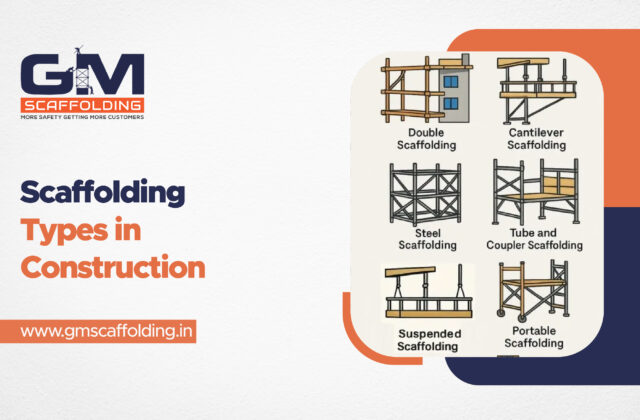
Scaffolding for industrial use can be divided into three types: tube-and-clamp scaffolding, system scaffolding, and mobile towers. Depending on their maintenance requirements, each type is designed differently. The simplicity of system scaffolding makes it the ideal choice for repeat shutdown work, while tube-and-clamp scaffolding gives greater flexibility to complex or irregular structures.
Choosing the Right Scaffolding for Industrial Maintenance Work
| Scaffold Type | Best Suited For |
| Tube-and-clamp | Irregular structures, pipework |
| System scaffold | Repetitive shutdown tasks |
| Mobile towers | Short-duration, movable access |
➤ Scaffold types should be matched to the shape and duration of the structure, not just the cost.
Safety Requirements for Industrial Maintenance Scaffolding
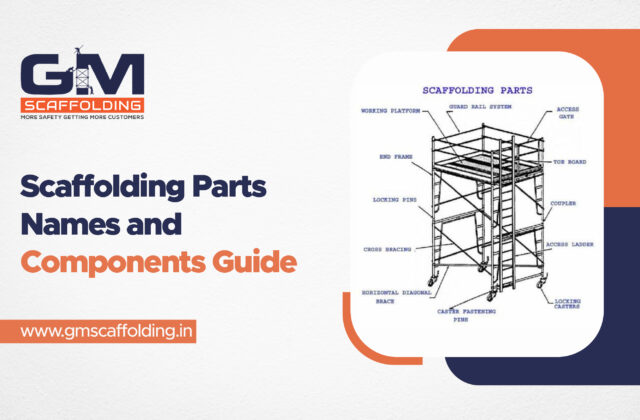
Maintenance scaffolding safety depends on correct installation, a stable base, and properly secured guardrails at every working level. Before workers start using the scaffold, an industrial scaffold inspection should be carried out to verify that the structure is stable, all parts are safely fitted, and the platform meets the required safety standards for the job.
● Ensure the scaffolding is installed by trained and certified teams who follow proper safety procedures.
● Check that guardrails and toe boards are properly fitted to help protect workers from falls and falling materials.
● In order to ensure that the scaffold is stable during use, ensure that the base plates and scaffold ties are installed securely.
● Verify the scaffolding has been inspected and approved for use on a regular basis by reviewing the inspection tags.
➤ Action: Never allow workers to use scaffolding unless a valid and visible inspection tag confirms it is safe for use.
Load Capacity, Access, and Platform Planning
It is important to consider workers, tools, and materials when determining scaffold load capacity in industrial maintenance. A safe working platform must also have sufficient space for technicians to move around plant equipment.
● Calculate the total weight of workers, tools, and equipment to make sure the scaffold can safely support the load.
● Check that the platform has enough width for safe movement and allows workers to carry out tasks comfortably.
● Provide proper ladder or stair access for workers to reach the platform safely.
● You should avoid overloading scaffolds and causing structural damage by placing loads above their rated capacities.
➤ If you need to bring heavy tools, materials, or equipment to the platform, confirm the scaffold load capacity with the supplier.
Scaffolding for Shutdown and Emergency Maintenance
Scaffolding for shutdown maintenance must be erected and dismantled quickly to match tight plant shutdown windows. Plant shutdown scaffolding often requires round-the-clock crews, pre-planned access routes, and rapid scaffolding erection and dismantling to keep downtime as short as possible.
● The scaffold layout should be planned before shutdown work begins to ensure that it meets site requirements and does not cause delays.
● Arrange experienced teams to perform quick erection and dismantling so that the shutdown can proceed as planned.
● Coordinate scaffold access with other maintenance teams to prevent conflicts and keep the work area organised.
● Make sure emergency access routes remain clear at all times to support safe movement during the project.
➤ Action: Arrange scaffolding rental in Coimbatore well in advance of the shutdown date to ensure timely availability and smooth execution of the work.
Rental Considerations for Industrial Scaffolding Projects
Scaffolding rental for industrial projects should include erection, inspection, and dismantling services, not just equipment supply. It is important for contractors to confirm response times when dealing with scaffolding contractors in Tiruppur, since delays can lead to costly shutdowns.
● Ensure that scaffolding erection and dismantling are included in the rental service so that there are no surprises during the project.
● Verify the supplier’s emergency support process and response time to ensure rapid assistance is available in case of an emergency.
● Check the equipment certifications and inspection records to confirm that the scaffolding is safe, reliable, and suitable for the project requirements.
● Review the rental cost based on the project schedule to find a scaffolding solution that meets the work needs while staying within the planned budget.
➤ Action: Select a supplier who understands the needs of an industrial site safety checklist and can provide proper safety support, not just basic scaffolding rental services.
Scaffolding for Industrial Maintenance Work Checklist
This factory maintenance access checklist consolidates the key points contractors and safety officers should confirm before, during, and after any scaffolding for industrial maintenance work project on a live plant site.
● Select the right scaffold type according to the structure, work area, and maintenance requirements.
● Worker, tool, and material weights should be confirmed before using the scaffold.
● Check inspection tags before each shift to make sure the scaffolding has been approved and is safe for workers.
● Inspect key safety features like guardrails, toe boards, and access points to ensure they are properly installed and secure.
● Coordination of scaffold setup and removal with shutdown schedules will ensure that work is not delayed or interrupted.
● Keep emergency pathways clear so that workers can safely access and leave the area.
● Maintain compliance documents, supplier certifications, and safety records.
➤ Discuss the scaffolding safety checklist with the site safety officer before scaffolding work begins.
Common Mistakes to Avoid During Maintenance Scaffolding
Equipment maintenance scaffolding allows workers to reach machinery, systems, and elevated areas safely. A stable platform is available for inspections, repairs, and services, allowing maintenance teams to work more efficiently and reduce the risk of accidents.
● Overlooking structural challenges during planning can lead to scaffolding that does not properly fit the work area or meet site requirements.
● Skipping daily inspection tag checks may result in using scaffolding that is not verified as safe for the day’s work.
● It is important to consider tool and material weight when designing scaffolds, as this can place additional stress on the scaffold and may lead to safety issues.
● There can be delays if shutdown schedules are not coordinated with maintenance schedules.
➤ Action: Include the scaffold supplier in shutdown planning discussions from the beginning to ensure proper preparation, safe installation, and smooth execution of the work.
Conclusion
Scaffolding for industrial maintenance work allows workers to have a secure platform to access machinery, pipelines, and other height-restricted areas safely. It is important to choose the right scaffold type, check the weight limits, and perform regular inspections to reduce workplace risks. Maintaining a safe work environment while performing repairs and shutdowns is made possible by these safety measures.
FAQs
1. Why is scaffolding important for industrial maintenance work?
In order to perform repairs, inspections, and routine maintenance at height, technicians use scaffolding for industrial maintenance. A safer workplace can be achieved by reducing the risk of falls and encouraging safe working practices. It is easier for maintenance teams to access machinery, pipelines, and elevated structures with scaffolding than with a ladder.
2. What type of scaffolding is used for factory and plant maintenance?
The type of scaffolding used by factories and plants depends on the work requirements. For complex or uneven structures, tube-and-clamp scaffolding is best, while system scaffolding works well for repeated maintenance shutdowns, and mobile towers offer quick, easy access. Scaffolding should be chosen according to the structure, duration, and load capacity required.
3. How does scaffolding improve safety during industrial maintenance?
With industrial maintenance scaffolding, you can reduce the risk of falls and injuries by using guardrails, toe boards, and secure work platforms. In addition to helping prevent accidents on the jobsite, regular inspections of industrial scaffolds help maintain their stability, safety, and readiness for use.
4. What should be checked before using scaffolding for maintenance work?
Make sure that scaffolding safety aspects are verified before any work begins, including the load capacity, inspection tags, guardrails, and stable base plates. It is also important to ensure that access points and platforms are large enough to allow workers to move safely. Maintaining scaffolding safely helps ensure compliance with industrial maintenance safety standards and creates a safer working environment.
5. Can scaffolding be rented for short-term shutdown maintenance?
Yes, scaffolding rental for industrial projects is commonly used during short shutdown maintenance activities when companies need quick and safe access to hard-to-reach areas. Rental providers usually handle fast setup and removal of scaffolding, helping plants avoid the cost of purchasing and storing their own equipment. This makes maintenance work more efficient and helps projects stay on schedule during short shutdown periods.
6. Who is responsible for inspecting industrial maintenance scaffolding?
Responsibility for industrial scaffold inspection is usually shared between certified scaffold suppliers and on-site safety teams. The rental agreement should clearly define who will carry out inspections, how often they should be completed, and what records must be maintained. This helps ensure that maintenance scaffolding safety requirements are followed throughout the industrial project and supports a safer working environment.