Ledger Scaffolding: Uses, Types, Installation & Safety Guide
Quick Answer
Ledger scaffolding consists of horizontal tubes that span between vertical standards and serve as the foundation for any scaffold structure. Ledgers support the transoms, distribute the load uniformly, and maintain the entire frame rigid and level. They are used in all major scaffolding types and are essential for structural stability and on-site safety in any construction project.
Quick Overview Table
| Aspect | Key Information |
| What is a ledger? | Horizontal tube connecting vertical scaffold standards |
| Primary function | Supports transoms, distributes load, maintains frame rigidity |
| Common materials | Steel, aluminium, and galvanised steel tubes |
| Key types | Tube-and-coupler, cuplock ledger, system scaffold ledgers |
| Safety standard | BS EN 12811 and regional construction safety codes |
| Inspection frequency | Before use, daily during work, and after any incident |
Table of Contents
- Introduction
- What is Ledger Scaffolding?
- Role of Ledgers in a Scaffolding System
- Types of Ledgers in Scaffolding
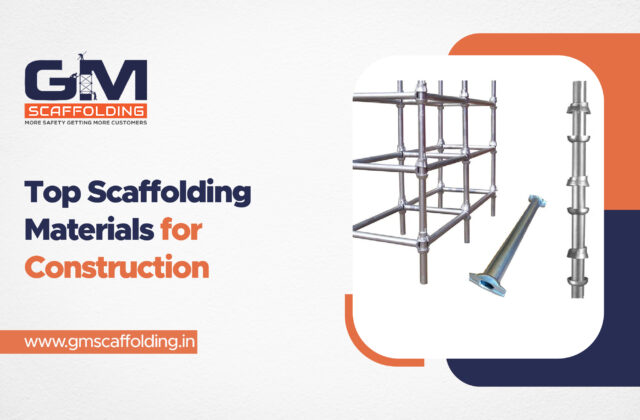
- Materials Used in Scaffolding Ledgers
- Design Considerations for Scaffolding Ledgers
- Installation and Erection Procedures
- Common Issues in Scaffolding Ledgers
- Safety Standards for Scaffolding Ledgers
- Maintenance and Inspection of Scaffold Ledgers
- Conclusion
- FAQs
Introduction
Every secure scaffold structure is built on a network of precisely placed components that operate together seamlessly. Among these, ledger or scaffolding ledger use is one of the least-spoken-about but most functionally important components. Understanding ledger scaffolding is critical, whether you are a site engineer managing a high-rise construction or a contractor erecting access scaffolding for a façade repair.
This guide defines ledgers, explains how they function, discusses the various types available, outlines best practices for installation, and covers the safety requirements that govern their use.
What is Ledger Scaffolding?
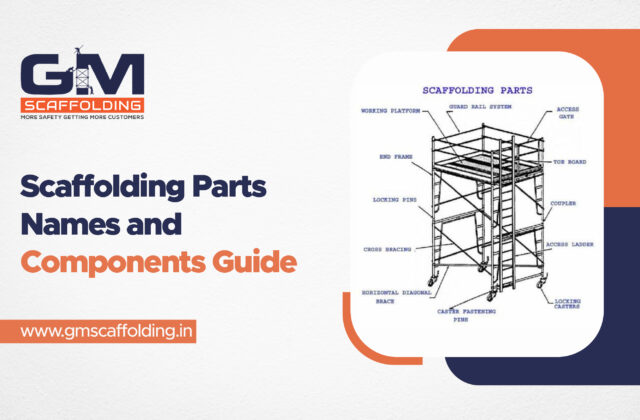
A ledger in scaffolding is a horizontal structural tube that runs parallel to a building’s face and connects two vertical standards (uprights). Ledgers determine the bay length of a scaffold system and serve as the principal support for transoms, which are cross-members that carry the scaffold boards. Ledgers, along with standards and transoms, create the three-dimensional grid that shapes and supports any scaffold construction.
Ledger Scaffolding in Modern Construction
Modern building projects use ledger scaffolding to provide horizontal stability throughout the scaffold system. These elements connect standards at predetermined intervals, allowing workers to reach elevated areas while maintaining structural integrity safely. Their design provides optimal weight transfer and enhances the scaffold’s overall strength.
- Connects vertical standards
- Supports working platforms
- Improves scaffold stiffness
- Distributes burdens equally
- Enhances worker safety
Common Types of Ledgers Used in Scaffolding Systems
Role of Ledgers in a Scaffolding System
The use of ledgers in scaffolding systems extends much beyond just connecting two uprights. Ledgers actively contribute to the scaffold’s structural integrity by transferring vertical loads from boards and workers to standards and finally to foundation plates. Without properly installed ledgers, a scaffold frame is prone to racking, lateral movement, and catastrophic failure.
- Provide horizontal support at all lift levels
- Define bay spacing and keep constant structural geometry
- Transfer the imposed loads from scaffold boards to vertical standards
- Prevent lateral motion and racking from wind or dynamic loads
- Provide attachment places for bracing and ties
Types of Ledgers in Scaffolding
Selecting the appropriate ledger type for the scaffolding standard in use is crucial for on-site compatibility and performance.
Ledger Types
- Tube-and-coupler ledger
- Cuplock ledger
- Ringlock ledger
- Kwikstage ledger
- Aluminium system ledger
Also Read; https://blog.gmscaffolding.in/differences-between-cuplock-and-ringlock-scaffolding/
Scaffolding Ledger Materials and Design Considerations
Materials Used in Scaffolding Ledgers
The material used to make a ledger has a significant impact on its performance. Each material has distinct advantages that are tailored to varied site conditions, load requirements, and project durations.
- Steel (hot-dip galvanised) – Most common; great strength, durable, and suitable for heavy loads
- Aluminium – Lightweight and corrosion-resistant; ideal for internal or short-term applications
- High-tensile steel – Used in system scaffolding to ensure maximum load capability
- Fibreglass – Non-conductive; used near electrical installations or live cables
Design Considerations for Scaffolding Ledgers
Proper ledger design is determined by site-specific considerations that affect the scaffold’s safe working load, stability, and compliance with scaffolding standards. Engineers and qualified personnel must consider several factors when determining ledger dimensions and spacing.
| Design Factor | Consideration |
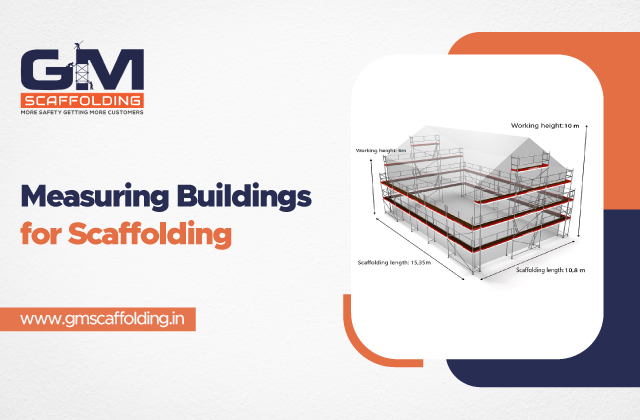
| Bay length | Typically 1.8 m to 2.4 m; affects board span and load distribution |
| Lift height | Standard 2.0 m lifts; determines ledger vertical spacing |
| Load class | EN 12811 classes 1–6; dictates tube diameter and wall thickness |
| Wind exposure | Higher wind zones require closer ledger spacing and more bracing |
| Material compatibility | Ledger and standard must match the system or use the correct couplers |
Scaffolding Ledger Installation and Common Issues
Installation and Erection Procedures
Before workers use the platform, the safe scaffolding ledger installation must follow a specific procedure to ensure that each component is properly positioned, fastened, and inspected. The following is the usual erection technique for most scaffold systems.
- Step 1: Place the base plates and sole boards on sturdy, level ground
- Step 2: Erect standards at the appropriate bay centres and plumb vertically
- Step 3: Install the first lift of ledgers at the appropriate height and connect to standards
- Step 4: Install the transoms on the ledgers at the desired spacing
- Step 5: Place scaffold planks across the transoms and secure them against movement
- Step 6: Install bracing, ties to the building, and guard rails before usage
Aluminium scaffolding suppliers in Coimbatore provide prefabricated ledger sets that correspond to conventional bay lengths, decreasing on-site cutting, minimising waste, and greatly speeding up the installation process for system scaffolding projects.
Common Issues in Scaffolding Ledgers
Even skilled erectors find recurring ledger issues that, if left unaddressed, might jeopardise scaffold safety. Early detection of these faults saves money on cleanup and, more significantly, reduces on-site accidents.
- Incorrect bay spacing causes overloaded transoms and boards
- Loose couplers or improperly placed cuplock connectors cause movement
- Corrosion or deterioration of tube walls reduces load-bearing capability
- Unauthorised alterations include trimming ledgers to non-standard lengths
- Missing or inadequate bracing, resulting in lateral instability of the frame
Scaffolding Ledger Safety Standards and Inspection Requirements
Safety Standards for Scaffolding Ledgers
Scaffolding ledger use is governed by well-defined safety and design guidelines. Compliance is more than just a legal obligation; it is the fundamental safety precaution for workers on and around scaffold structures. The most often used standards are BS EN 12811 for European projects and IS 2750 for Indian construction sites.
Standard / Requirements
- BS EN 12811-1
- IS 2750
- OSHA 1926.451
- Competent person check
- Load markings
Maintenance and Inspection of Scaffold Ledgers
Regular inspection and maintenance of ledgers is required to prevent degradation from going unnoticed. A scaffold that passes the initial inspection may acquire flaws within days owing to site operations, weather, or impact damage. A planned inspection procedure addresses this risk methodically.
- Pre-use check: Verify that all ledger connections are snug and properly placed
- Daily Inspection: Search for visible damage, corrosion, or misplaced components
- Weekly formal inspection: Competent individual examines all ledgers, couplers, and ties
- Post-incident check: Required after any accident, overburden, or extreme weather
- Storage inspection: Check tubes for bends, cracks or corrosion before reuse
Also Read: https://blog.gmscaffolding.in/base-jack-and-u-jack-in-scaffolding/
Conclusion
Ledger scaffolding is the foundation of any safe and well-built scaffold structure. From setting bay length to transferring live loads and maintaining frame geometry, ledgers serve a function that no other scaffold component can.
Understanding the various types, materials, design criteria, installation sequence, and inspection needs of ledger scaffolding allows construction professionals to create safer, more efficient scaffolding systems every time. Prioritising proper ledger selection and ongoing maintenance is one of the most effective steps any team can take to reduce scaffold-related risks on site.
FAQs
1. What are ledgers in scaffolding?
Ledgers are horizontal scaffolding members that connect vertical standards and provide structural support.
2. What are the seven types of scaffolding?
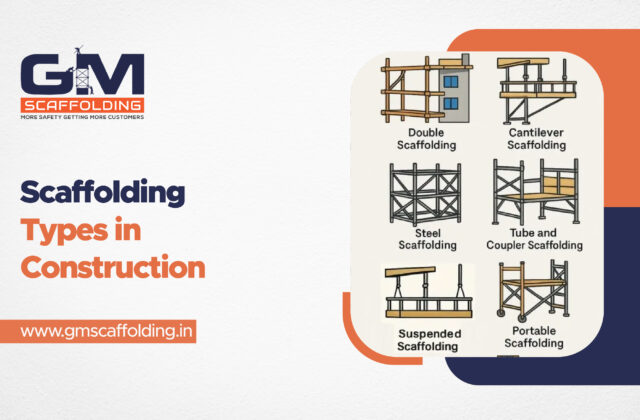
The seven most prevalent types of scaffolding are: single scaffolding, double scaffolding, cantilever scaffolding, suspended scaffolding, trestle scaffolding, steel scaffolding, and patented scaffolding.
3. What is the role of ledgers in a scaffolding system?
Ledgers offer horizontal stability, support working platforms, and help to distribute loads equally throughout the scaffolding system.
4. What materials are used for scaffolding ledgers?
Scaffolding ledgers are often composed of steel, aluminium, or high-quality lumber, depending on the project specifications.
5. How are scaffolding ledgers installed safely?
Scaffolding ledgers are placed safely by securely attaching them to standards using appropriate couplers and ensuring adequate alignment and load distribution.
6. Why is scaffolding ledger inspection important?
Scaffolding ledger inspection is critical because it detects degradation, corrosion, or weak connections that could jeopardise worker safety and structural integrity.