Aluminium Mobile Scaffolding for False Ceiling and Indoor Work
Quick Answer
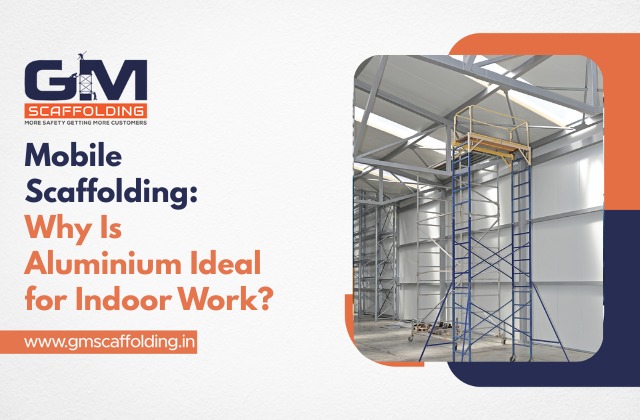
Aluminium mobile scaffolding is a lightweight, wheeled access tower designed for inside applications such as false ceiling construction, electrical maintenance, signage, and interior finishing. It may readily transition between work zones without disassembling, saving downtime on active sites. Contractors often rent these towers by the day or month rather than purchasing them, as project requirements and site heights vary significantly.
Quick Overview Table
| Aspect | Gist |
|---|---|
| Best for | False ceiling, electrical, signage, interior work |
| Key advantage | Lightweight, wheeled, quick repositioning |
| Common users | Interior and electrical contractors, facility teams |
| Access model | Mostly rented, short- or long-term |
| Core requirement | Locked castors before every use |
Table of Contents
- Introduction
- Understanding Aluminium Mobile Scaffolding for Indoor Work
- Key Applications of Mobile Scaffolding for Indoor Work
- Benefits of a Lightweight Movable Scaffolding Tower
- Aluminium Scaffold Tower Rental vs Purchase
- Choosing the Right Indoor Scaffolding Rental Provider
- Safety Checklist Before Moving a Mobile Scaffold Tower
- Best Practices for Using Mobile Scaffolding Indoors
- FAQs
- Conclusion
Introduction
Indoor projects rarely remain in one location for long. A false ceiling installer may operate across an entire level in a single day, whereas an electrical crew goes between junction points located throughout a building.
Aluminium mobile scaffolding is designed specifically for this type of movement, providing a secure working platform that can be repositioned in minutes rather than requiring a complete deconstruction and rebuild every time work transfers to a new zone.
Understanding Aluminium Mobile Scaffolding for Indoor Work
What Is Aluminium Mobile Scaffolding?
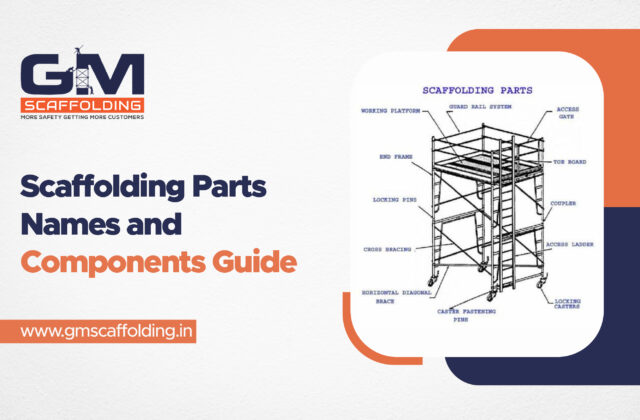
Aluminium mobile scaffolding is a modular access tower made from lightweight aluminium frames, fitted with lockable castor wheels at the base. Unlike fixed scaffolding, it can be wheeled between work zones without dismantling, making it a practical choice for indoor sites where work locations change frequently across a single shift or project. Standard modules stack to reach different working heights so that the same tower can adapt to varying ceiling levels across one building.
Why Aluminium Mobile Scaffolding Suits Indoor Projects
Indoor spaces have tighter clearances, finished flooring, and numerous trades working at once, all of which encourage equipment that is light, manoeuvrable, and easy to move. A moveable scaffolding for interior work setup directly addresses these needs, allowing crews to change access points without affecting other teams working nearby. Unlike fixed scaffolding or ladders, a moveable tower provides the same secure platform at each new working position.
- Moves well throughout entrances and corridors
- Reduces recurring assembly and disassembly time
- Distributes weight without destroying finished floors
- Suitable for multi-point tasks throughout vast indoor areas
Key Applications of Mobile Scaffolding for Indoor Work
Mobile aluminium towers support a wide range of indoor trades, each with unique height and stability requirements. The sections below describe the most popular applications used by contractors.
Also Read: https://www.hse.gov.uk/work-at-height/index.htm
Scaffolding for False Ceiling Work
False ceiling installation involves working constantly down a room’s length, installing grids, panels, and lighting fixtures overhead. Scaffolding for false ceiling work benefits directly from a mobile platform because installers can shift position every few meters rather than climbing down and constructing a fixed structure each time. This reduces the overall installation time, especially in large open-plan rooms.
Scaffolding for Electrical Work and Maintenance
Electrical contractors frequently require recurrent short-term access to places throughout a structure, such as conduit runs, junction boxes or ceiling-mounted fixtures. Scaffolding for electrical work works well with this stop-start pattern since a movable tower can be moved to the next location in minutes rather than taking time to set it again. Maintenance crews performing recurring inspections benefit in the same way, since the tower remains ready for the next scheduled task.
Also Read: https://blog.gmscaffolding.in/guardrail-in-scaffolding/
Signage, Interior Finishing and General Access
Beyond ceilings and wiring, mobile towers help with sign placement, painting, interior finishing, and regular building maintenance. Any task that requires elevated, steady access from multiple sites within the same structure benefits from a tower that travels with the work rather than being stationary, reducing the need for repetitive ladder setup throughout the day.
Benefits of a Lightweight Movable Scaffolding Tower
A lightweight scaffolding tower provides practical benefits beyond mobility. The structure’s aluminium construction allows it to be easily transported and assembled while still supporting standard operating loads for most indoor trades. Crews also spend less time on manual handling, which is important for projects with tight daily targets over numerous levels.
- Faster setup than heavy steel scaffolding
- Easy to go between levels or sites
- Reduced physical strain during assembly and repositioning
- Suitable for recurrent use over numerous project phases
Also Read : https://blog.gmscaffolding.in/benefits-of-aluminium-scaffolding/
Aluminium Scaffold Tower Rental vs Purchase
Most contractors choose to rent rather than buy, especially on short-term or variable-height projects. The comparison below shows when each approach makes more sense, based on project frequency and duration.
| Factor | Rental | Purchase |
| Best for | Short-term or one-off projects | Frequent, long-term use |
| Upfront cost | Low | Higher initial investment |
| Maintenance | Handled by rental provider | Contractor’s responsibility |
| Flexibility | Different heights per project | Fixed to owned configuration |
An aluminium scaffold tower leasing arrangement is ideal for contractors handling a variety of projects since it eliminates storage and maintenance costs between works while still offering dependable indoor access equipment on demand.
Choosing the Right Indoor Scaffolding Rental Provider
Choosing a reliable indoor scaffolding rental provider is just as important as choosing the equipment itself, because delivery timeframes and tower condition have a direct impact on project timetables.
Contractors frequently evaluate providers of aluminium scaffolding in Coimbatore based on factors such as equipment condition, delivery speed, and rental flexibility for multi-site projects. Checking a provider’s inspection and maintenance records ahead of time helps to avoid delays caused by malfunctioning components in the middle of the project.
Safety Checklist Before Moving a Mobile Scaffold Tower
Moving a loaded or partially built tower poses a serious risk if simple procedures are not followed. Using a similar checklist before each move ensures crew safety and equipment stability, regardless of how experienced the team is with the site.
- Clear the platform of tools, materials, and workers before moving
- Unlock castors just when you’re ready to move, and relock soon afterwards
- Inspect the floor path for impediments, slopes, or uneven surfaces
- Confirm that the outriggers or stabilisers are correctly retracted for movement
- Never relocate a tower while anyone is still on the platform
Best Practices for Using Mobile Scaffolding Indoors
Apart from moving carefully, a few consistent routines help with everyday use. Inspect the tower before each shift, prevent overloading platforms over their rated capacity, and keep guardrails installed whenever the platform is in use, especially for short-duration inside work. Training every crew member on basic setup and movement stages lowers reliance on a single expert worker, allowing projects to go forward even when timelines are tight.
Also Read: https://www.osha.gov/laws-regs/regulations/standardnumber/1926/1926.451
Conclusion
Indoor projects necessitate technology that can keep up with work that frequently switches between zones. Aluminium mobile scaffolding provides just that, combining a lightweight framework with simple repositioning for false ceiling, electrical, and interior finishing tasks. Choosing the right rental partner and conducting regular safety inspections before each move keeps projects efficient and safe.
FAQs
1.What is aluminium mobile scaffolding used for?
It supports indoor jobs such as false ceiling construction, electrical repairs, signage, and interior finishing by providing a mobile platform that can be easily transported across a site without requiring complete disassembly between locations. Contractors use it for painting, general maintenance, and multi-point inspections in big indoor spaces and multi-story buildings.
2.Is mobile scaffolding suitable for false ceiling work?
Yes, its mobile architecture is ideal for false ceiling construction, since installers can move down the length of a room in stages rather than rebuilding a fixed structure at each new working position. This ensures that grid installation, panel work, and lighting installation move smoothly across big open-plan ceiling areas.
3.Can aluminium scaffold towers be used for electrical maintenance?
Yes, they are useful for electrical repair involving many access points because technicians can swiftly wheel the tower between places rather than spending time on repeated setup and disassembly. This is suitable for conduit lines, junction box access, and recurrent inspection schedules in large commercial or industrial structures.
4.Why choose a lightweight movable scaffolding tower?
A lightweight tower is easier to carry, erect, and reposition, resulting in less physical strain and setup time while still supporting conventional interior working loads in most contractor situations. It also reduces the risk of floor damage and accelerates daily setup as compared to heavier fixed scaffolding systems.
5.What should be checked before moving a mobile scaffold tower?
Clear the platform completely, ensure no one is still aboard, inspect the floor path for impediments, and only activate castors when the tower is fully ready to move securely. After repositioning, quickly lock the castors and test stability before climbing back onto the platform.