Understanding Scaffolding Erecting and Dismantling Safety
Introduction
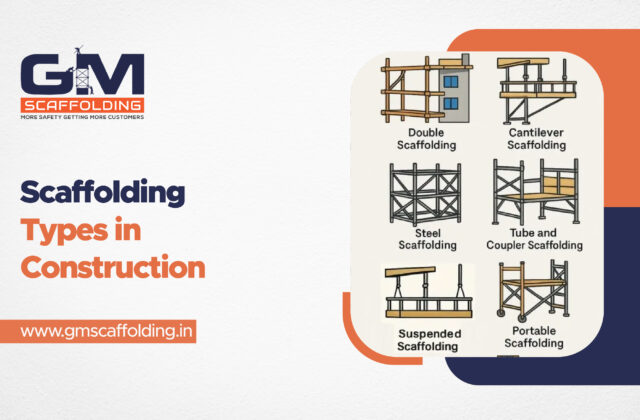
Scaffolding is used in construction and maintenance projects to provide temporary support for tasks at heights. Understanding different scaffolding types in construction is essential, as the process of assembling and disassembling scaffolding necessitates careful planning and stringent safety precautions. One of the most important aspects of the procedure is scaffolding dismantling, which must be done in a controlled and scientific manner.
If dismantling is not done appropriately, it can result in falling materials, structural instability, and worker casualties. Understanding the proper processes and safety measures helps you protect workers and maintain a safe work environment throughout the project.
Scaffolding Dismantling
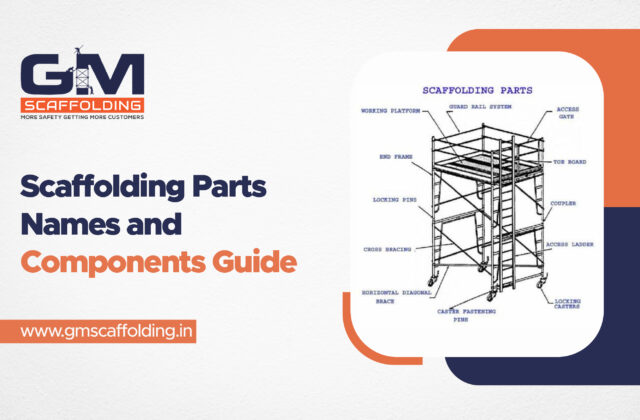
Scaffolding dismantling is the process of carefully removing scaffold components and understanding scaffolding parts names when building or maintenance work is complete. The disassembly stage is equally critical as installation since faulty removal might pose major safety issues.
To avoid accidents, personnel must adhere to established safety protocols when scaffolding, building, and dismantling. Proper dismantling ensures that scaffold sections are removed securely, without harming the structure or endangering workers.
The method should always be followed in an ordered manner and monitored by trained staff.
Importance of Safe Scaffolding Work
Safe scaffolding operations protect workers and reduce the likelihood of accidents on the job site. To ensure stability, every construction project should follow rigorous scaffolding safety standards for scaffolding erection and takedown.
Key safety advantages include:
- Preventing Falls from Height
- Keeping workers safe from falling materials
- Maintaining scaffold stability
- Reducing Construction Site Accidents
Before any scaffold is constructed or removed, safety planning is necessary.
Common Scaffolding Hazards
Understanding scaffolding hazards and control measures allows you to identify potential risks before beginning disassembly activity.
Some common hazards are:
- Falling tools and materials
- Unstable scaffold structures
- Improper removal of load-bearing components
- Workers are not wearing safety equipment
These hazards can be reduced by adhering to proper safety guidelines and offering employee training.
Basic Scaffold Erection Safety Guidelines
Safe scaffold removal begins with proper installation. Following scaffold installation safety measures keeps the structure sturdy throughout the process.
Key safety precautions include:
- Inspect scaffold components before usage
- Ensure that the base is stable and level
- Install guardrails and safety boards
- Secure platforms correctly
Following these measures helps to avoid structural difficulties during deconstruction.
Read More: https://blog.gmscaffolding.in/3-to-1-rule-in-scaffolding/
How to Erect Scaffolding Safely
Before disassembly can begin, workers must first grasp how to erect scaffolding and build a stable framework by following the proper steps to assemble scaffolding.
Typical erection steps are:
- Preparing the ground and attaching baseplates
- Assemble vertical standards and horizontal ledgers
- Installing working platforms and guardrails
- Securing the structure using braces
Proper erection ensures the scaffold remains stable until the work is completed.
Scaffolding Dismantling Method Statement
A Scaffolding Dismantling Method Statement describes the proper steps for safely removing scaffold components.
This document normally contains:
- Safety Instructions for Workers
- Order of component removal
- Required personal protective equipment
- Hazard Control Measures
Following a method statement enables workers to disassemble scaffolding safely and in an organised manner.
Step-by-Step Dismantling Procedure
To preserve stability, the scaffolding removal method should always be carried out from top to bottom.
| Step | Activity |
| Step 1 | Remove guardrails and safety boards |
| Step 2 | Remove working platforms |
| Step 3 | Detach braces and ledgers |
| Step 4 | Remove vertical standards |
Removing components in reverse order of installation prevents the structure from collapsing abruptly.
Restricted Height Scaffolding
Certain projects require the erection and dismantling of restricted-height scaffolding, necessitating special safety precautions.
Examples include:
- Indoor maintenance tasks
- Industrial facility repairs
- Low-height construction platforms
Workers in these settings must carefully manage space and guarantee the safe handling of scaffold components.
Safety Signage During Dismantling
Proper warning signs help keep unauthorised personnel out of demolition sites. Scaffolding dismantling signage, including various scaffolding tag types, should be put throughout the work area to warn employees that scaffolding removal is underway.
Typical safety indicators include:
- “Scaffold dismantling in progress”
- “Do not enter the work area”
- “Wear protective equipment”
Clear signage helps to avoid mishaps caused by staff entering forbidden areas.
Safe Handling and Storage of Components
After scaffolding removal, components must be handled carefully to avoid damage and for safety.
Best practices include:
- Lower materials cautiously, rather than dropping them
- Organise components in specific places
- Inspect parts before reuse
- Separate damaged components to repair or replace
Proper care keeps scaffolding equipment safe for future projects.
Equipment and Service Support
Reliable scaffolding equipment increases safety throughout both the erection and disassembly stages.
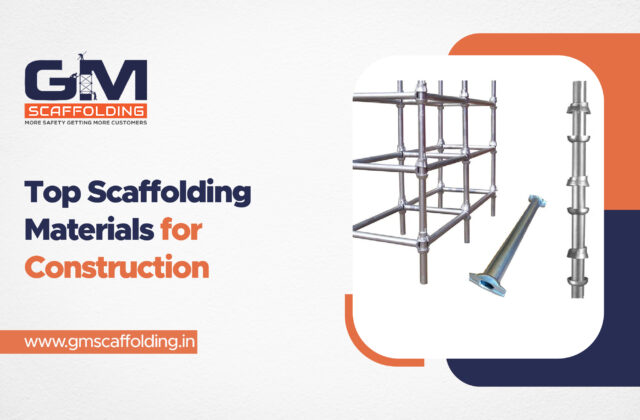
Construction companies frequently rely on reputable service providers who provide scaffolding rental in Coimbatore to access high-quality scaffold components and reliable support.
Using dependable equipment lowers the danger of structural failure while increasing work productivity.
Worker Training and Supervision
Scaffold accidents are significantly reduced with proper training.
Workers engaging in scaffold work should be instructed on:
- Safe Installation Techniques
- Proper dismantling sequence
- Use of Protective Equipment
- Hazard identification
Supervisors should watch the deconstruction process to ensure that all safety measures are followed correctly.
Conclusion
Safe scaffold work is critical for ensuring a safe building environment. Proper planning, worker training, and cautious execution can help limit the dangers associated with scaffold installation and removal.
Scaffolding disassembling procedure demands meticulous attention to detail and rigorous adherence to safety rules. You may avoid accidents and protect workers by following the proper dismantling procedure, utilising appropriate safety equipment, and keeping good communication on site.
Understanding the methods for scaffold erection, hazard control, and disassembly ensures that construction projects are performed safely and efficiently while adhering to high workplace safety requirements.
FAQs
1.What is the correct procedure for scaffolding dismantling on a construction site?
The proper technique is to remove scaffold components from top to bottom. First, remove the guardrails and platforms; then the braces and ledgers; finally, the vertical standards. Materials should be safely lowered, not flung.
2.What safety precautions should be followed during scaffolding erection and dismantling?
Workers should wear personal protective equipment (PPE), examine scaffold parts, adhere to established procedures, use guardrails, and have trained supervisors watch the work.
3.What are the common scaffolding hazards and control measures?
Common hazards include falling objects, unstable constructions, and worker falls. Control measures include regular inspections, appropriate installation, safety harnesses, and restricted access zones.
4.Is a scaffolding dismantling method statement required before scaffolding removal?
Yes. A method statement describes the safe sequence, necessary equipment, and dismantling safety precautions.
5.What scaffolding dismantling signage is required on site?
Warning signs such as “Scaffold Dismantling in Progress,” “Restricted Area,” and “Authorised Personnel Only” should be posted throughout the work zone.
6.How to erect scaffolding safely step by step?
Create a stable foundation, build vertical standards, connect horizontal ledgers, attach bracing and platforms, install guardrails, and inspect the structure before usage.