Scaffolding Tag Types and Color Codes for Site Safety
Introduction
Safety communication needs to be transparent and easy to see on a construction site. Scaffolding tags are a basic yet powerful tool for this purpose. These marks allow you to quickly determine whether a scaffold structure is safe to use, under inspection, or restricted. Scaffold tags use colour codes and inspection details to eliminate confusion and help workers avoid unsafe platforms.
If you frequently work with scaffolding, understanding these tags is critical for workplace safety. This guide discusses the various types of scaffold tags, their colour meanings, and how they contribute to safe construction activities, aligning with scaffolding safety standards.
What is Scaffolding Tag
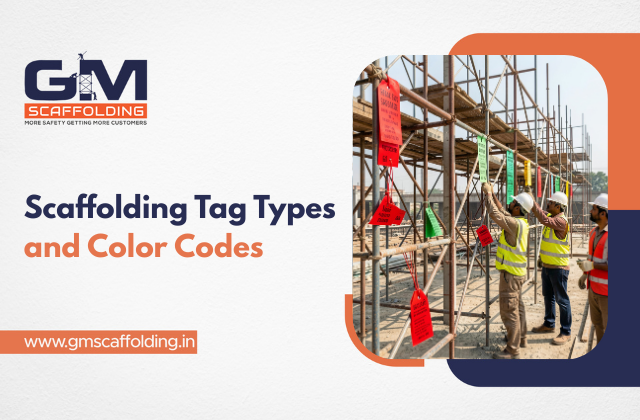
A scaffolding tag is a safety label placed on a scaffold structure that indicates its inspection status. It informs workers whether the scaffold is safe, unsafe, or under inspection.
These tags are typically put at the access ladder or entry point, ensuring that every worker sees them before utilising the scaffold.
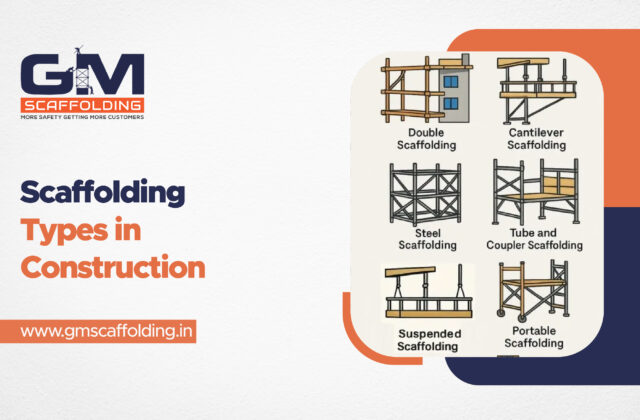
The tagging method is part of an organised scaffolding tagging system used throughout building projects to ensure safety standards. This system is compatible with various scaffolding types, making it easier to manage safety across different structures.
Key purposes include:
- Indicating scaffold inspection status
- Keeping employees from utilising dangerous platforms
- Communicating safety advice clearly
- Ensure compliance with safety regulations
Workers may use incomplete or unstable scaffolds without knowing it if they are not properly tagged.
Why Scaffold Tags Are Important
Scaffold marking increases safety awareness and allows site supervisors to control scaffold access.
When you inspect a scaffold before climbing, the tag quickly tells you whether it is safe for use.
Key safety advantages include:
- Quickly identify the scaffold condition
- Preventing accidents caused by shaky platforms
- Clear communication among inspectors and workers
- Complying with safety standards
Many businesses also utilise scaffold inspection tags to record the inspection date and the appropriate supervisor.
Types of Scaffolding Tags
Construction sites typically utilise various scaffolding tags based on their safety status.
Each tag colour corresponds to a specific scaffold condition.
| Tag Type | Purpose |
| Green Tag | Indicates the scaffold is safe to use |
| Yellow Tag | Shows caution or partial completion |
| Red Tag | Indicates the scaffold is unsafe |
These categories represent the primary scaffolding tag types used on construction and industrial sites. Understanding them is essential for the strategic use of scaffolding in high-rise projects, ensuring both safety and operational efficiency..
Scaffolding Tag Color Meaning
Colour labelling allows workers to detect scaffold status, even from a distance, easily.
Before using any elevated work platform, you should understand the meaning of the scaffolding tag colours.
| Color | Meaning |
| Green | Safe and ready for use |
| Yellow | Restricted use or incomplete scaffold |
| Red | Do not use a scaffold |
This simple colour system enables employees to make quick safety decisions.
Green Scaffolding Tag
A green scaffolding tag indicates that it has been examined and is safe to use.
It indicates that the construction has been correctly erected and meets safety standards.
Green tags typically carry the following information:
- Inspection date
- Inspector’s name
- Scaffold Identification Number
- Maximum load capacity
Some sites also call it a green scaffolding tag, which indicates that the platform is fully certified for use.
Yellow Scaffolding Tag
A yellow scaffolding marking indicates that the scaffold is not fully suitable for general use.
This tag is used for:
- The scaffolding is still under construction
- Some safety features are lacking
- Limited access is authorised
Workers should only utilise a scaffold with a yellow tag if approved by the site supervisor.
Red Scaffolding Tag
A red tag on the scaffold clearly states that it should not be used.
This sticker is typically applied when the scaffold is deemed hazardous or requires maintenance.
Red tags are commonly used for the following reasons:
- Structural instability
- Missing components
- Failed safety inspection
- Ongoing dismantling work
Workers should never access a scaffold with a red tag.
Scaffold Tag Holder and Placement
Tags are often stored within a protective scaffolding tag holder.
This holder keeps the tag visible while protecting it from weather damage.
The proper positioning guidelines include:
- Attach the holder next to the access ladder
- Ensure that the tag is visible from ground level
- Replace the damaged tags immediately
Following these placement guidelines also aligns with the steps to assemble scaffolding right ,ensuring that when the scaffold is positioned correctly, each worker can verify its condition before climbing.
Typical Scaffold Tag Size
The scaffolding tag size may vary significantly by manufacturer, but it usually follows conventional standards.
| Feature | Typical Specification |
| Tag Length | 150–200 mm |
| Tag Width | 80–100 mm |
| Material | Durable plastic or laminated card |
Durable materials ensure that tags are readable even in hard construction environments.
Role of Scaffold Safety Tags in Site Safety
A scaffolding safety tag is a component of a larger safety management system used at construction sites.
Scaffold tagging combined with regular inspections significantly improves worker safety on the job site.
Key safety practices include the following:
- Conducting routine scaffold inspections
- Update tags after each examination
- Training employees to check tags before use
- Removing tags after scaffolding is destroyed
For dependable scaffolding services, many construction businesses work with skilled scaffolding contractors in Coimbatore who adhere to proper safety tagging practices.
Read More: https://blog.gmscaffolding.in/rental-scaffolding-systems-for-building-projects/
Conclusion
Scaffold tagging is a simple yet highly effective safety technique widely utilised on construction sites around the world. Workers can quickly determine whether a scaffold structure is safe or prohibited by employing a simple colour-coded scheme.
When you see a scaffolding tag, you get immediate information about the inspection status, safety conditions, and usage directions. Green tags indicate safe platforms, yellow tags warn of restricted access, while red tags prohibit workers from visiting risky buildings.
Understanding scaffold tag colours and inspection procedures allows you to make safer judgements when working at heights. Since scaffolding is essential in construction, construction teams may drastically reduce workplace accidents and keep everyone on site safe by following proper tagging practices and conducting regular inspections.
FAQs
1.What is a scaffolding tag, and why is it important?
A scaffolding tag is a safety label attached to a scaffold that indicates its inspection status. It informs workers whether the scaffold is safe to use, under inspection, or unsafe.
2.What are the different types of scaffolding tags?
The three major types are green tags (safe for use), yellow tags (limited usage), and red tags (do not use).
3.What does the color of a scaffolding tag mean?
The colour represents the scaffold’s safety status: green indicates safe, yellow implies caution or limited access, and red indicates unsafe.
4.What are scaffolding tag holders, and how are they used?
Tag holders are protective frames that keep scaffold tags visible and safe. They are affixed near scaffold access points to allow workers to check the tag quickly.
5.What is the typical size of a scaffolding tag?
Most scaffold tags are approximately 150-200 mm long and 80-100 mm wide, though sizes may vary significantly by manufacturer.
6.How does a scaffolding tag system improve site safety?
It clearly conveys the status of scaffold inspections, preventing people from working on unsafe structures, and guarantees that construction sites are regularly checked for safety.