Bracing Scaffolding: Types, Uses & Stability Guide
Quick Answer
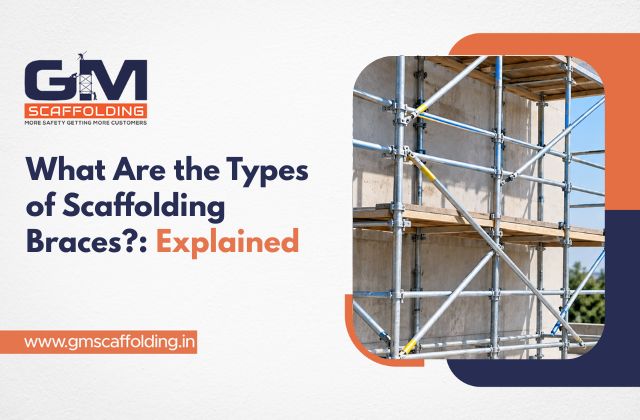
Bracing scaffolding adds diagonal or cross members to a scaffold frame to limit unwanted movement and help the structure remain stable. The arrangement depends on the scaffold design, height, loading, site conditions and connection system. Braces work with the rest of the scaffold rather than acting as a standalone safety measure.
Quick Overview
| Thing | Why it matters |
| Cross bracing | Helps reduce sideways movement |
| Diagonal bracing | Adds stiffness along the scaffold |
| Scaffold ties | Help secure the scaffold to a structure |
| Base support | Transfers loads safely to the ground |
| Connections | Keep members working as one frame |
Table of Contents
- Introduction
- What Is Brace Scaffolding?
- Why Does Scaffolding Need Bracing?
- Types of Scaffolding Braces
- How Bracing Supports Scaffold Stability
- Bracing and Other Scaffold Safety Components
- What to Check Before Using a Braced Scaffold
- Conclusion
- FAQs
Introduction
Bracing scaffolding is an important part of creating a stable scaffold structure by helping control unwanted movement and adding stiffness to the frame. Different bracing arrangements, including cross and diagonal bracing, may be used depending on the scaffold system, height, loading, connections, and site conditions. Understanding how these braces work with foundations, scaffold ties, platforms, and other components can help explain why the correct arrangement and regular checks are essential. This guide covers the common types of scaffolding braces, their uses, differences, and role in overall scaffold stability.
What Is Brace Scaffolding?
A scaffold frame can look rigid when viewed from the ground, but its stability depends on how the individual members work together. Bracing scaffolding refers to using braces within the scaffold arrangement to resist movement and provide additional stiffness.
These members are usually placed diagonally between standards, frames or other structural points. The exact arrangement is not universal. It depends on the scaffold system being used and the conditions at the worksite.
When braces are positioned correctly, they can help:
- Limit unnecessary swaying and side-to-side movement
- Keep the scaffold frames in position
- Make the overall structure more rigid
- Help carry forces through the scaffold
- Provide a steadier working platform
Action: Treat bracing as part of the scaffold design rather than as an extra component added after erection.
Why Does Scaffolding Need Bracing?
A scaffold is exposed to more than the weight of workers standing on its platforms. Materials, equipment, wind and movement during site work can all place forces on the structure. Without adequate restraint, a tall or poorly supported scaffold may experience movement that affects its stability.
This is where scaffolding bracing types become relevant. Different arrangements are selected according to the scaffold configuration and the forces the system needs to manage.
Bracing can help maintain the intended geometry of the scaffold. It also provides a connection between different parts of the frame, so movement in one direction is less likely to become excessive.
Braces are only one part of a stable scaffold. They do not take the place of proper foundations, ties, platforms, guardrails or correct erection methods.
Action: Look at the scaffold as a complete setup when checking its stability, rather than focusing on the braces alone.
Types of Scaffolding Braces
Common Types of Scaffolding Braces
There is no single brace arrangement used on every scaffold. Manufacturers and scaffold systems may use different configurations, connection details and member sizes.
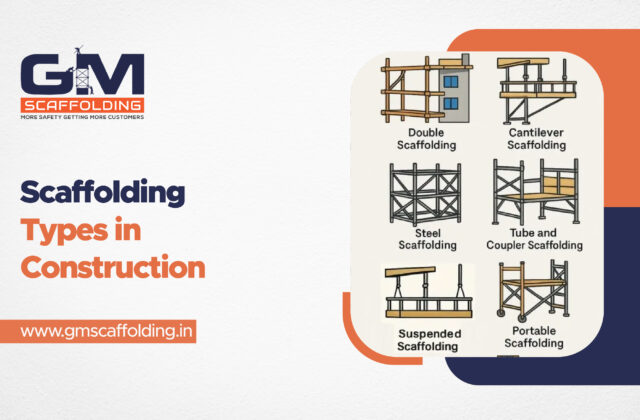
Some commonly discussed types of scaffolding braces include cross braces, diagonal braces and other stabilising members designed for particular scaffold systems.
Cross Bracing in Scaffolding
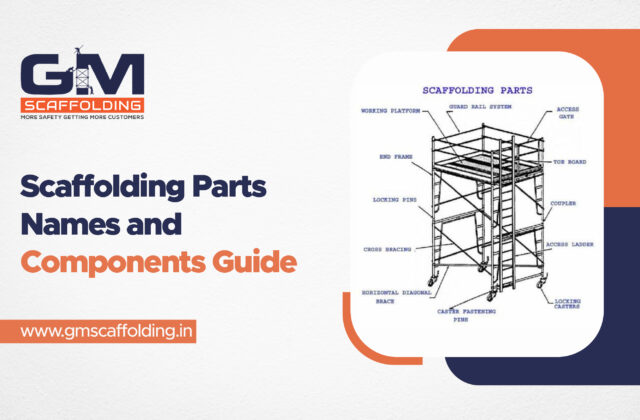
Cross bracing in scaffolding uses two diagonal members that cross each other between scaffold points. The crossing pattern gives the frame additional resistance against movement.
You may see this arrangement on frame scaffolds where the braces connect opposite points of adjacent frames. Depending on the system, the brace may be fixed using pins, couplers or purpose-made connections.
The actual configuration should follow the scaffold manufacturer’s instructions or the design prepared for the specific installation.
Action: Use the specified connection points rather than improvising where a cross brace should attach.
Diagonal Bracing in Scaffolding
Diagonal bracing in scaffolding uses a member running diagonally between two points of the scaffold. Unlike a crossed pair, one diagonal may be used where the scaffold design calls for a single brace.
A scaffolding diagonal brace can help control movement along the length or face of a scaffold. Its position and direction matter because the brace forms part of the load path through the structure.
The term diagonal brace scaffolding is sometimes used broadly when discussing scaffold systems that rely heavily on diagonal members.
Action: Follow the specified brace layout instead of assuming that adding extra diagonals automatically improves the scaffold.
Understanding Scaffold Bracing Types
The terms used for braces can vary between manufacturers, scaffold systems and construction teams. Scaffold bracing types may refer to the shape of the arrangement, its location or the specific component supplied with a scaffold system.
For example, scaffolding brace types may include:
| Brace arrangement | Typical purpose |
| Cross brace | Limits movement across a framed section |
| Single diagonal | Provides directional stiffness |
| Longitudinal brace | Helps control movement along the scaffold |
| Transverse brace | Supports stability across the scaffold width |
| System-specific brace | Matches a manufacturer’s scaffold design |
These terms do not necessarily mean the same specification. A brace designed for one scaffold system may not work with another, as the dimensions, connection points and way loads are carried can vary.
Action: Identify the scaffold system first, then use the brace specified for that system.
Cross Bracing vs Diagonal Bracing
Cross brace scaffolding and single diagonal bracing both use diagonal members, but they are set up differently. Cross bracing uses two members that meet to form an X, while a single diagonal uses one member between selected connection points.
The difference is more than appearance. The number, location and orientation of braces influence how forces move through the scaffold.
Scaffolding cross bracing can be useful where the scaffold design calls for repeated X-shaped frames. A single diagonal may be specified where a particular section only needs one diagonal restraint.
| Feature | Cross bracing | Diagonal bracing |
| Appearance | X-shaped arrangement | Single diagonal member |
| Members | Usually paired | Usually one member |
| Main role | Controls frame movement | Provides directional stiffness |
| Application | Depends on scaffold system | Depends on scaffold system |
Action: Never substitute one arrangement for another unless the scaffold design permits it.
How Bracing Supports Scaffold Stability
Bracing is closely connected with scaffold stability because it helps the scaffold resist movement. A scaffold that is stable on paper can still become unsafe if members are missing, connections are loose or the supporting surface is unsuitable.
Scaffolding stability also depends on factors outside the brace arrangement. The foundation, scaffold ties, access arrangements, loading, height and environmental conditions all need consideration.
Wind deserves particular attention on exposed sites. As the scaffold becomes taller or more exposed, the forces acting on it can change significantly. The appropriate response should come from the scaffold design and site-specific assessment rather than guesswork.
Action: Consider bracing together with the complete structural and site arrangement.
Bracing and Other Scaffold Safety Components
Braces are only one part of the wider scaffold setup. A working scaffold needs several components to perform their intended functions together.
These may include:
- Standards and ledgers
- Base plates or other foundation arrangements
- Platforms and decking
- Guardrails and toe boards
- Scaffold ties
- Access systems
- Couplers and connection hardware
- Braces and stabilising members
Together, these form the wider scaffolding safety components used to create a suitable working structure.
The scaffold support system also matters. Loads need to reach the supporting surface without creating unacceptable settlement or instability. A correctly installed brace cannot compensate for an unsuitable foundation.
Action: Inspect the whole scaffold system rather than focusing only on visible braces.
Also Read: https://blog.gmscaffolding.in/guardrail-in-scaffolding/
What to Check Before Using a Braced Scaffold
Before a scaffold is used, the arrangement should be checked against the applicable design, instructions and site requirements. Workers should not assume that a scaffold is safe simply because it has visible braces.
Look for signs such as:
- Missing or displaced braces
- Damaged or bent members
- Loose or incorrectly fitted connections
- Changes made after the scaffold was erected
- Unstable or damaged supporting surfaces
- Unauthorised removal of scaffold members
- Loading beyond the specified arrangement
If a brace has been removed to create access for another trade, the scaffold may no longer match its intended configuration.
For projects that require specialist installation or inspection, working with experienced scaffolding contractors in coimbatore can help ensure that the scaffold arrangement is handled according to the applicable requirements and system specifications.
Action: Stop and have the scaffold assessed if its original bracing arrangement has been altered or damaged.
Site reminder: A brace should never be judged by appearance alone. Its location, connection and relationship with the rest of the scaffold determine its role in the structure.
Also Read: https://www.safeworkaustralia.gov.au/duties-tool/construction/hazards-information/scaffolding
Conclusion
Bracing scaffolding is not simply about adding diagonal members to a frame. The brace arrangement needs to suit the scaffold system, its connections, loading and site conditions. Cross and diagonal configurations serve different purposes, while overall stability depends on the entire scaffold working together. Regular checks are equally important when the structure is in use.
FAQs
1. What is brace scaffolding?
Brace scaffolding is a scaffold arrangement that uses diagonal, cross or other stabilising members to control movement and add stiffness. The exact brace layout depends on the scaffold system, height, loading, site conditions and manufacturer’s requirements.
2. What are the different types of scaffolding braces?
Common arrangements include cross braces, single diagonal braces, longitudinal braces and transverse braces. Some scaffold systems also use specially designed braces that fit their frames and connection points. The correct type depends on the particular scaffold system and its design.
3. What is cross bracing in scaffolding?
Cross bracing consists of two diagonal members that cross each other to create an X-shaped support between scaffold connection points. It helps keep framed scaffold sections steady and limits unnecessary movement. The braces should be positioned and connected according to the scaffold design or the manufacturer’s instructions.
4. What is diagonal bracing in scaffolding?
Diagonal bracing uses a member positioned between two scaffold points at an angle. It can provide stiffness and help control movement in a particular direction. Its size, location and connection method should be suitable for the scaffold system being erected.
5. Why is bracing important for scaffold stability?
Bracing helps limit movement and contributes to the overall stiffness of the scaffold. However, it is only one part of stability. Foundations, ties, connections, loading, scaffold geometry and environmental conditions also affect how the structure performs.
6. How does scaffolding bracing improve safety?
Good bracing helps keep the scaffold in place and reduces unwanted movement. It also needs to work with the platforms, guardrails, ties, foundations and other parts of the scaffold. If a brace is removed or moved without checking the design, the scaffold may no longer have the stability it was designed to provide.