Adjustable Base Jack: Types, Uses, Weight & Scaffolding Applications
Quick Answer
An adjustable base jack supports scaffold standards and allows controlled height changes using a threaded mechanism. It can help level the scaffold and transfer loads to an appropriate supporting surface. Consider scaffold type, size, adjustment range, load capacity, surface conditions, compatibility, and manufacturer specifications during selection.
Quick Overview Table
| Aspect | Key Takeaway |
| Purpose | Supports and levels scaffold standards |
| Adjustment | Uses a threaded mechanism |
| Application | Compatible scaffold systems |
| Selection | Check dimensions and loading |
| Safety | Use suitable supporting surfaces |
Table of Contents
- Introduction
- Adjustable Base Jack Structure and Applications
- U-Head Support and Selection
- Pricing, Weight and Safety
- Conclusion
- FAQs
Introduction
An adjustable base jack supports compatible scaffolding systems and allows for controlled height adjustment at the base. Its threaded mechanism helps establish proper levelness when supporting surfaces have small variations. Understanding adjustment, applications, weight, and cost helps professionals choose the right equipment.
Adjustable Base Jack Structure and Applications
Base Support and Applications
Place a base support beneath a compatible scaffold standard or frame. Its threaded mechanism enables precise adjustment within the defined range, helping establish a level starting position. It cannot fix a faulty foundation or replace a good scaffolding design.
- Supports standards from below.
- Provides controllable vertical adjustment.
- Requires appropriate supporting circumstances.
A base jack provides lower support for compatible scaffolding standards. Before using it, make sure the plate, stem, threads, and adjustment range are all correct. Correct alignment and an appropriate supporting surface are required for the intended scaffold configuration.
Understanding the Lower Arrangement
Base jack scaffolding has adjustable supports beneath standards. Erection and inspection require proper positioning, a suitable surface, and within permissible adjustment limits.
Verify dimensions, condition, adjustment limits, and compatibility before erection. Confirm system compatibility for aluminium scaffolding in Coimbatore. Never utilize improved extensions or damaged components.
Understanding the Adjustable Base Jack
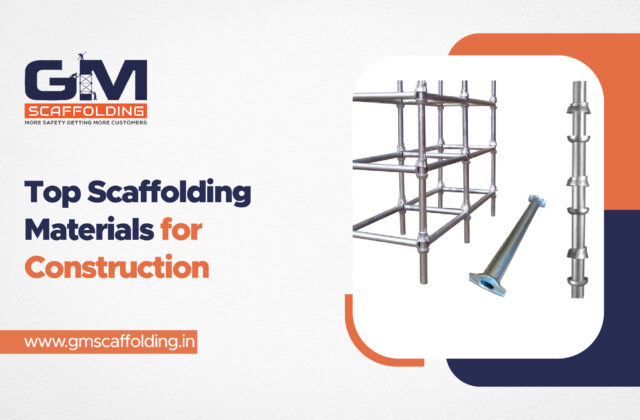
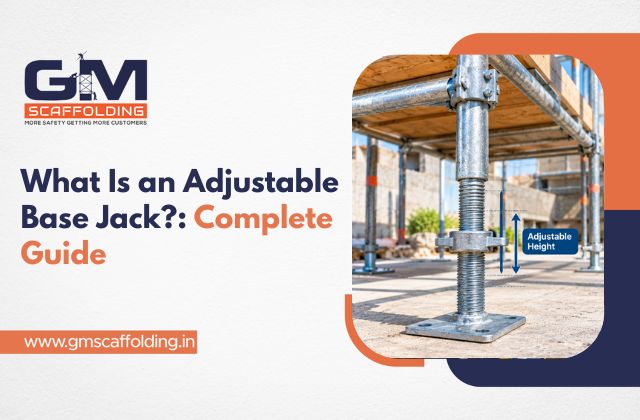
An adjustable support typically consists of a threaded stem, adjustment nut, and a supporting plate or head. Designs vary by scaffold system and application. The mechanism controls movement, and the interface transfers loads to a compatible element or surface.
Controlling Height
An adjustable jack should glide effortlessly through its intended threaded mechanism. Before installation, inspect the stem, threads, nut, and plate for deformation, corrosion, excessive wear, or other obvious problems.
Choosing an Adjustable Base Jack
Scaffold jacks should match the overall scaffold arrangement. Before use, ensure the dimensions, adjustment range, load capacity, material, support conditions, and system compatibility are correct.
Keep the adjustment within the prescribed range and remove any hard components. Do not strain damaged threads or use loose packing to increase height. Keep product details accessible for site verification.
U-Head Support and Selection
U-shaped supports have a different interface than lower-base supports. Their receiving head fits compatible members, and the threaded mechanism allows adjustment. Selection should consider the supported component, size, loading, range, and scaffold system.
Understanding the Upper Interface
A U head jack offers a U-shaped receiving surface for a suitable member. Before installation, examine the head size and intended use, and avoid using improvised packaging or modifications.
Applying U-Shaped Systems
The term “U jack scaffolding” refers to setups that use U-shaped adjustable supports for compatible members. Products vary in dimensions, materials, adjustment ranges, and capacities, so select based on specified system requirements.
Comparing Purchase Options
When comparing U-Jack prices, consider dimensions, material, adjustment range, capacity, and application. A quoted amount does not guarantee technical similarity.
Confirm that the supported member fits well and remains stable. Before loading, review the manufacturer’s specifications. Do not substitute a jack simply because it looks similar or is less expensive.
| Factor | What to check |
| Head | Member Compatibility |
| Thread | Size and Condition |
| Adjustment | Permitted Range |
| Capacity | Required Loading |
Pricing, Weight and Safety
Weight and price matter during procurement, but neither alone determines appropriateness. Compatibility, size, adjustment range, loads, supporting circumstances, and intended use should all remain top priorities. Before ordering and using the product, review the documentation.
Checking Component Weight
U-jack weight matters for shipping, storage, handling, and erection. However, do not use weight as the only basis for capacity. Consider material, proportions, design, and stated working needs.
- Confirm the provided product weight
- Plan for safe handling
- Check the capacity independently
Reviewing Base Costs
The base jack price varies by material, size, finish, adjustment range, specifications, quantity, and supplier terms. The supplied specifications do not specify a set market price; hence, current quotations are required for procurement.
Selecting Construction Equipment
A construction jack should suit its intended use and be compatible with the system. Scaffold supports can have different interfaces and adjustment requirements so that general-purpose substitution may be ineffective.
Request quotes specifying the model, dimensions, material, adjustment range, capacity, and included components. Instead of deciding based solely on price, compare similar products. Before loading, inspect the components and correctly approve any alterations.
Conclusion
A scaffolding system’s support component is an adjustable base jack that allows controlled height adjustment. Checking dimensions, load capacity, weight, cost, and installation requirements allows construction teams to choose and use support equipment safely.
FAQs
1.What is an adjustable base jack?
An adjustable base jack is a threaded support for suitable scaffold standards or frames. It enables controlled vertical adjustment within a specific range and lets you select an appropriate starting level. The model should match the scaffold’s design, dimensions, load, support conditions, and needs.
2.What is the purpose of a base jack in scaffolding?
A base jack maintains scaffold requirements while allowing for precise height adjustment. It can help create a level starting arrangement when surfaces have small changes. The scaffold system still requires proper alignment, suitable ground conditions, compatible components, and adherence to stated adjustment limits.
3.What is the difference between a base jack and a U jack?
A base jack often supports a scaffold standard from below, whereas a U jack creates a U-shaped receiving surface for a suitable member. Their placements and interfaces vary. Selection should consider the scaffold system, supported member, size, range, and loading.
4.How does a scaffolding base jack work?
A threaded stem and adjustable nut provide precise vertical movement. The installer modifies the mechanism to achieve the necessary support level within its permissible range. Align the jack on a suitable surface and follow the manufacturer’s instructions or approved project specifications.
5.How is an adjustable base jack installed?
The installation process begins with installing the jack on a suitable supporting surface and properly situating the corresponding standard or frame. Set the threaded mechanism within its authorised range. Before loading the scaffold, read the manufacturer’s instructions and the project specifications, and examine the support arrangement.
6.What factors should be considered when choosing a scaffolding jack?
Consider the scaffold system’s size, adjustability range, material, supporting surface, intended load, connection requirements, product weight, handling demands, and supplier documentation. Compare prices across similar products. The chosen jack should fit the unique needs of the application and system.