Scaffolding for Chimney Maintenance: Systems & Safety

Quick Answer
Scaffolding for chimney maintenance provides a stable working platform for inspection, painting, cleaning, repair and refractory work at height. Unlike ordinary building scaffolds, chimney access systems must account for curved surfaces, changing diameters, wind exposure, tie locations and the loads created by workers and materials. The arrangement should therefore be designed around the chimney, work method and site conditions.
Quick Overview
| Thing | Why it matters |
| Working height | Determines access and stability requirements |
| Chimney shape | Affects platform layout and tying |
| Work activity | Controls platform width and load capacity |
| Wind exposure | Can significantly affect scaffold stability |
| Access system | Provides safe movement between working levels |
| Inspection | Identifies defects before work begins |
Table of Contents
- Introduction
- Planning Chimney Scaffolding Systems and Access
- Scaffolding Stability, Safety and Inspection
- What Affects the Cost of Chimney Scaffolding?
- Conclusion
- FAQs
Introduction
Chimney maintenance often requires workers to operate at considerable height around tall, exposed structures, making safe access a critical part of the project. Scaffolding can provide stable working platforms for inspection, painting, cleaning and repair, but the system must be planned around the chimney’s height, shape, access requirements, loading and exposure to wind. Unlike standard building work, chimney projects may involve changing diameters, restricted access and difficult tying locations, so scaffold selection and installation should be based on the actual structure and work conditions.
Planning Chimney Scaffolding Systems and Access
Why Chimney Scaffolding Needs a Different Approach
A chimney may look like a simple vertical structure from the ground, but working around one is rarely straightforward. Its diameter can change with height, the surface may be tapered or uneven, and there may be flues, platforms, ladders or other equipment in the way.
That is why chimney scaffolding should be planned around the actual structure rather than treated as a taller version of a normal building scaffold.
Typical maintenance work can include:
- Structural inspection and condition surveys
- Surface preparation and painting
- Brick or concrete repairs
- Refractory lining work
- Cleaning and repair of external components
- Inspection of cracks, joints and surface deterioration
The required platform arrangement will depend on the task. Painting may need continuous access around the circumference, while a repair project may require wider platforms where workers handle tools and materials.
Action point: Start with the work scope, chimney dimensions and access points before selecting the scaffold system.
Choosing a Suitable Scaffold System
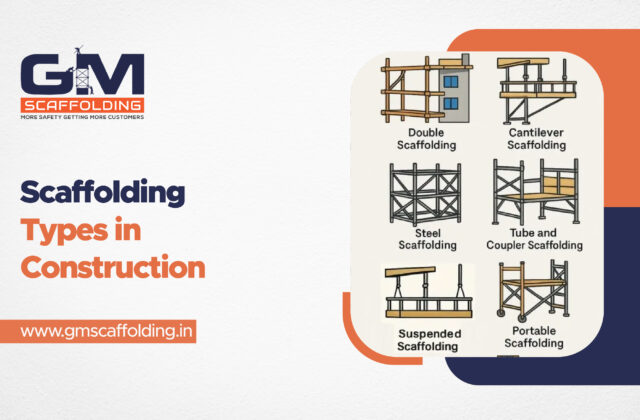
There is no single scaffold arrangement that suits every industrial chimney. Depending on the structure and job, contractors may use supported systems, suspended access arrangements or specially engineered access platforms.
For large industrial stacks, industrial stack scaffolding often requires more detailed planning because the scaffold can extend to considerable heights and may be exposed to strong winds.
| Requirement | Planning consideration |
| Circular structure | Platforms may need to follow the chimney profile |
| Greater height | Additional ties and bracing may be required |
| Heavy repair work | Load capacity must match materials and equipment |
| Painting | Access should allow continuous surface coverage |
| Inspection | Platforms need to reach specific inspection points |
OSHA requires scaffolds to be designed by a qualified person and constructed and loaded according to that design. It also requires scaffold components to stay within their maximum intended load or rated capacity.
Action point: Do not select a scaffold solely by height; match the system to the structure and intended loads.
Safety insight: A chimney scaffold is not simply an access frame placed beside a tall structure. Its ties, bracing, platforms, access routes and loading arrangement all have to work together as one system.
Planning Access Around Industrial Stack
Access becomes especially important when scaffolding for chimney repair involves workers moving tools, coatings or repair materials between several levels. A poorly planned route can turn routine movement into unnecessary climbing and handling.
Ladders, stair towers or integrated scaffold access may be incorporated depending on the system. OSHA requires suitable access where scaffold platforms are more than 2 feet above or below the point of access.
For industrial access scaffolding, planners should consider:
- Entry and exit points
- Rest platforms where appropriate
- Material movement
- Emergency access
- Separation from operating plant equipment
- Clearance from electrical services
- Access to every required work zone
For example, a team carrying small painting equipment has different access needs from a crew installing refractory materials.
Action point: Map how people and materials will move before finalising platform locations.
Scaffolding Stability, Safety and Inspection
Stability, Ties and Wind Exposure
Height is only part of the stability problem. An exposed chimney can experience significant wind forces, particularly when scaffold platforms extend around a large surface area.
For a tall supported scaffold, stability becomes a bigger concern as the structure gets higher. OSHA requires it to be tied, braced, guyed or secured in another suitable way when its height is more than four times its base width. The exact tie and brace arrangement should also follow the scaffold design and manufacturer’s instructions.
This becomes even more important when contractors add sheeting, screens or temporary coverings. Such additions can increase wind loading on the scaffold and may require a fresh structural assessment.
Action point: Treat wind loading as a design issue from the beginning, not as a problem to solve after erection.
Safety During Chimney Maintenance
Working at considerable height around an industrial stack combines several hazards. Falls are an obvious concern, but falling tools, unstable components, excessive loading, weather and nearby plant operations also need attention.
For high rise chimney scaffolding, the safety plan should cover:
- Guardrails and suitable fall protection
- Secure platforms and access points
- Tool and material control
- Scaffold load limits
- Safe erection and dismantling
- Electrical clearance
- Weather monitoring
- Emergency and rescue arrangements
OSHA does not permit workers to use scaffolds during storms or strong winds unless a competent person has checked the conditions and confirmed that the work can be carried out safely. This is a bigger concern around exposed chimneys, where wind conditions can change suddenly.
Action point: Agree on when work must stop before the team starts work.
Also Read:
https://blog.gmscaffolding.in/scaffolding-erecting-dismantling-safety/
Inspection and Dismantling Matter Too
A scaffold should not be considered safe simply because erection has been completed. Conditions can change during a maintenance project. A component may be struck, a tie may be disturbed, or additional materials may be placed on a platform.
OSHA requires a competent person to check the scaffold before each shift and again if an incident could have affected its strength or stability. If any part is damaged or weakened, it should not simply be left in place. It needs to be repaired, replaced, properly supported, or taken out of use until it is safe.
Dismantling needs the same level of care as putting the scaffold up. Scaffolding for industrial maintenance should only be changed or taken down under proper supervision, with workers who know the correct procedure.
Action: Keep inspection records as well, and check the scaffold again if the site conditions or work plan changes during the project.
What Affects the Cost?
The cost of industrial chimney scaffolding depends on far more than the number of scaffold components required. Height, diameter, access restrictions and the duration of the project can all change the final requirement.
If the project is being carried out locally, teams looking for scaffolding in Salem should compare contractors based on their experience with industrial-height work, rather than choosing only on price. It is worth checking whether the contractor can manage site assessment, erection, inspections and dismantling as part of the project.
Major cost factors include:
| Cost factor | Possible impact |
| Chimney height | More material and erection effort |
| Diameter/profile | More complex platform arrangement |
| Site access | Can increase transport and handling |
| Work duration | Affects hire and labour costs |
| Wind protection | May require additional engineering |
| Material loading | Can influence scaffold design |
For scaffolding for chimney painting, the access requirement may also depend on how much of the surface needs treatment and whether equipment such as spray systems will be used.
When comparing quotations, it is worth checking what is actually included. Erection, dismantling, inspections, transport, access arrangements and any additional engineering can make a noticeable difference to the final figure.
Action point: Ask for a scope-based quotation rather than comparing only the scaffold hire price.
Conclusion
Chimney maintenance needs more than a tall scaffold placed around a stack. The system has to suit the chimney profile, work activity, access requirements, loading and local conditions. Good planning also considers ties, wind, inspections and dismantling from the outset. Whether the job involves painting, repair or inspection, scaffolding for chimney maintenance should be treated as an engineered access solution rather than a temporary afterthought.
FAQs
1. What scaffolding is used for chimney maintenance?
Supported scaffold systems, suspended arrangements and engineered access platforms may be used, depending on chimney height, shape, access requirements and work activity. The appropriate system should be selected after considering loads, wind exposure, tying arrangements and the locations workers need to reach.
2. How is scaffolding erected around an industrial chimney?
The erection method depends on the scaffold system and chimney geometry. The structure is assessed first, followed by base, platform, access, bracing and tie planning. Erection and alteration should be supervised by a competent person, with the scaffold built according to its design.
3. What safety measures are required for high chimney scaffolding?
For high chimney work, the basics matter: workers need safe access, secure guardrails, fall protection and platforms that are not overloaded. The scaffold should also be properly braced and checked regularly. Since wind can be much stronger at higher levels, a competent person should assess the weather and stop work if conditions make the scaffold unsafe.
4. Can scaffolding be used for chimney painting and repair?
Yes. Scaffolding can provide working platforms for painting, surface preparation, masonry repairs, concrete repairs and other maintenance activities. The platform arrangement should reflect the tools, materials and equipment involved. Scaffolding for chimney repair may require greater working space than a simple inspection platform.
5. What factors affect the cost of industrial chimney scaffolding?
The cost can vary quite a bit depending on the chimney’s height and diameter, the scaffold system used, site access and how long the work will take. Material handling and wind conditions can add to the requirement too. At busy industrial sites, working around equipment, restricted areas and safety procedures may also increase the overall cost.