Scaffolding for Bridge Construction: Types, Planning and Safety

Quick Answer
Scaffolding for bridge construction provides temporary access and working platforms for activities such as concrete repair, painting, inspection and structural maintenance. The right system depends on bridge geometry, working height, load requirements, ground conditions, traffic, water and access restrictions. Proper design, installation, inspection, fall protection and load control are essential before workers begin work.
Quick Overview
| Thing | Why it matters |
| Scaffold type | Matches bridge geometry and work requirements |
| Working platform | Provides safe access to work areas |
| Load capacity | Prevents overloading and instability |
| Ground conditions | Supports a stable scaffold foundation |
| Traffic and water | Creates additional access and safety challenges |
| Inspection | Identifies defects before use |
Table of Contents
- Introduction
- Bridge Scaffolding Types and Planning
- Bridge Scaffold Load Capacity and Site Conditions
- Bridge Scaffolding Safety Requirements
- Scaffolding for Bridge Repair and Maintenance
- Conclusion
- FAQs
Introduction
Bridge scaffolding provides temporary access and working platforms for construction, inspection, repair and maintenance activities on bridges. Unlike conventional building projects, bridge sites can involve complex geometry, work above roads or water, restricted access and changing ground conditions. The scaffold system therefore needs to be selected and planned according to the work location, required working height, expected loads and site environment. Proper foundation support, bracing, access, fall protection and regular inspection are also essential for maintaining a stable and safe working platform throughout the project.
Bridge Scaffolding Types and Planning
Why Bridges Need Temporary Scaffolding
Bridge work is rarely as straightforward as working beside a building. Workers may need to reach the underside of a deck, piers, expansion joints, beams or other structural elements. A properly planned bridge scaffolding system creates a stable route to these areas while giving workers enough room for tools and repair materials.
The scaffold may need to serve different purposes at different stages of a project. One phase might involve a close structural inspection, while the next could require concrete repairs or painting. So, it makes sense to plan the scaffold around the work from the beginning instead of treating access as an issue to solve later.
Common applications include:
- Concrete repair and patching
- Structural inspection and testing
- Painting and protective coating
- Bearing and joint maintenance
- Crack repair and rehabilitation
- Underside deck work
- Cleaning and general maintenance
Action point: Define exactly where workers, tools and materials need to go before selecting the scaffold system.
Types of Scaffolding Used for Bridges
There is no single scaffold arrangement that suits every bridge. The choice depends on whether the work is beside the structure, below the deck, around a pier or across an awkward section of the bridge.
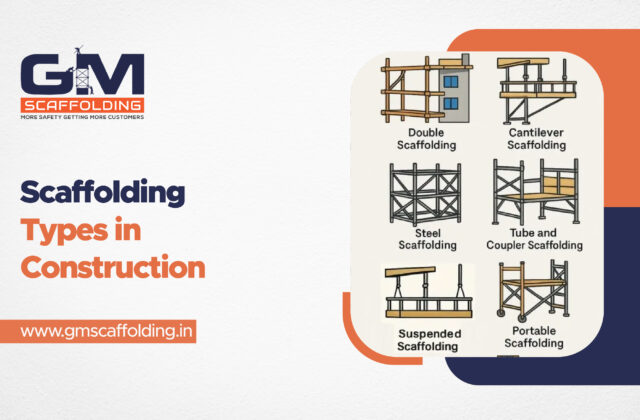
Supported scaffolds
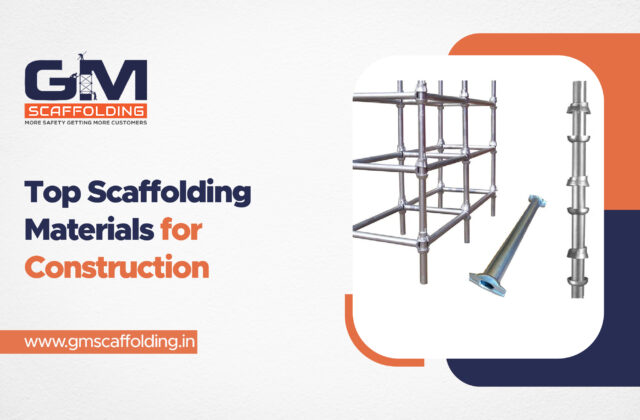
Supported systems use frames, uprights, tubes, couplers or other rigid members to carry the working platform. They can work well where there is sufficient ground or structural support below the work area.
OSHA describes frame, tube-and-coupler and other supported scaffold arrangements as different forms of supported scaffolding. The system must remain plumb, braced and properly supported.
Suspended and hanging platforms
When there isn’t enough space to build a conventional scaffold underneath a bridge, suspended systems can provide access from above. They are especially useful for work below bridge decks where towers or scaffold frames cannot be placed safely because of limited ground access.
However, suspension points, ropes, platforms and supporting structures need careful engineering. The arrangement should be selected according to the manufacturer’s requirements and the project’s temporary works design.
Cantilever and specialised arrangements
Some bridge sections simply do not provide enough space for conventional support. Cantilevered platforms, brackets and other specialised systems may then be considered.
They are particularly relevant around water, roads, railway lines or steep terrain, where placing scaffold legs directly below the work area may not be practical.
Action point: Treat the scaffold as a temporary works system, not simply a collection of frames and platforms.
Safety insight: OSHA requires supported scaffolds with a height-to-base-width ratio greater than 4:1 to be restrained against tipping through suitable ties, guys, bracing or equivalent methods.
Also Read:
https://blog.gmscaffolding.in/cantilever-scaffolding-uses-construction/
Planning the Scaffold Before Installation
Good scaffolding for civil engineering projects starts with a site assessment. Bridge sites can change considerably from one span to another, so a layout that works at one location may not work at the next.
Before installation, the project team should consider:
| Planning factor | What to check |
| Bridge geometry | Deck, beams, piers and access points |
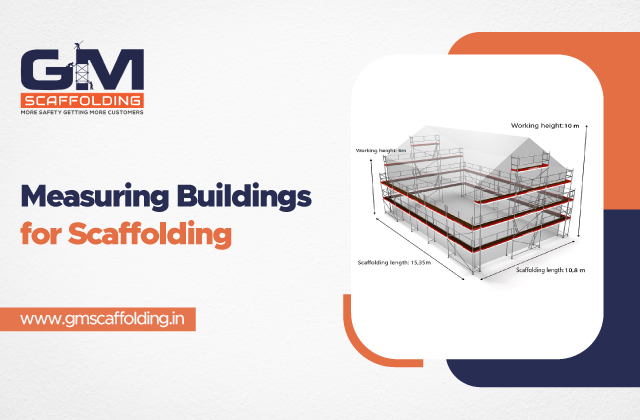
| Working height | Required platform levels |
| Ground conditions | Soil, concrete, slopes and drainage |
| Work activity | People, tools, equipment and materials |
| Traffic | Vehicles, road closures and clearances |
| Water | Flow, depth, access and weather |
| Weather | Wind, rain and site exposure |
| Dismantling | Safe removal and material handling |
Foundation conditions deserve particular attention. OSHA requires supported scaffold footings to be level, sound and capable of carrying the loaded scaffold without settling or displacement.
A muddy shoulder beside a bridge, for example, may look usable during a site visit but behave very differently after rain. The foundation assessment therefore needs to consider actual site conditions rather than appearance alone.
Action point: Complete the access, foundation, load and environmental assessment before materials arrive on site.
Bridge Scaffold Load Capacity and Site Conditions
Load Capacity and Working Platforms
A scaffold may need to carry more than workers. Repair projects can involve buckets, tools, reinforcement materials, concrete repair products, coating equipment and other loads. These should be included when determining the required capacity.
OSHA states that scaffolds and components must support their own weight plus at least four times the maximum intended load under its construction standard. Project requirements and applicable local regulations should also be followed.
The platform should give workers enough room to move around safely, but it should not be used as a convenient place to pile up materials. Too much weight can put extra stress on the scaffold, while scattered tools and materials can also create trip hazards.
Action point: Calculate expected worker, equipment and material loads before finalising the platform arrangement.
Difficult Bridge-Site Conditions
Bridge projects often involve conditions that ordinary building sites do not. A scaffold may need to cross a busy road, work above a river or fit around an existing pier without interrupting nearby operations.
Working above roads
When scaffold access for bridges is set up near moving traffic, it needs to be planned alongside the site’s traffic-management arrangements. Depending on the location, this could mean using barriers, marking off work areas, controlling access, adding protective measures or temporarily closing part of the road.
The scaffold should not interfere with required vehicle clearances or create an avoidable falling-object risk.
Working over water
Water introduces another layer of planning. Workers may need safe access for erection and dismantling, while changing water levels, currents and weather can affect the work.
Where a scaffold or platform is positioned over water, the project should also address emergency arrangements and rescue procedures rather than relying only on normal access.
Uneven or restricted ground
Steep embankments, loose soil and limited space can make conventional foundations difficult. In these locations, the temporary works designer may need to consider alternative support arrangements.
Action point: Identify traffic, water, terrain and weather constraints before choosing a standard scaffold layout.
Also Read:
https://blog.gmscaffolding.in/setup-mobile-scaffolding-on-uneven-ground/
Bridge Scaffolding Safety Requirements
Safety cannot be added after the scaffold has been erected. Workers need safe access, properly protected platforms and a structure that remains stable throughout the project.
Important controls include:
- Stable foundations and appropriate base support
- Proper bracing, ties or other restraint
- Guardrails and suitable fall protection
- Safe ladders, stairways or other access systems
- Make sure platforms are properly supported and securely fixed.
- Use suitable measures to prevent tools and materials from falling.
- Have a competent person inspect the scaffold regularly.
- Remove damaged or faulty components instead of putting them back into use.
- Train workers to recognise and manage common scaffold-related hazards.
OSHA identifies falls, scaffold collapse, falling objects and electrical hazards among common scaffold risks. It also requires protection for workers exposed to falls from scaffold platforms above specified heights under its construction standard.
Any changes to the scaffold need to be handled carefully. OSHA requires erection, alteration and dismantling to be carried out under the supervision and direction of a competent person.
Action point: Make scaffold inspections and access checks part of the daily site routine, rather than checking everything only when the scaffold is first installed.
Scaffolding for Repair and Maintenance
Scaffolding for bridge repair often needs to stay in place while different trades complete separate tasks. Concrete repair teams, painters, inspectors and maintenance crews may all use the same access system at different stages.
This is why planning the scaffold around the actual job matters. A platform meant for inspection may not have enough space or load capacity for repair materials and equipment. If extra materials are added or the platform layout is changed later, the scaffold may no longer match its original design and should be reassessed.
With bridge maintenance scaffolding, the setup should be checked again whenever the job changes. Bringing in new equipment, adding heavier materials, moving access points or making changes to the bridge can all affect the scaffold. A quick reassessment helps ensure the structure still suits the work and remains safe to use.
For contractors seeking specialist support, experienced scaffolding contractors in Coimbatore can also help assess access requirements, system selection, erection and project-specific safety measures.
Action point: Reassess the scaffold whenever the work method, loading or access requirement changes.
Conclusion
Scaffolding for bridge construction needs more planning than simply creating a raised working platform. The bridge’s geometry, work activity, load requirements, foundation, traffic, water and surrounding environment all influence the final arrangement. A properly designed and maintained scaffold gives workers reliable access while supporting safer inspection, repair and rehabilitation work.
FAQs
1. What type of scaffolding is used for bridge construction?
The type depends on the bridge and the work location. Supported frames, tube-and-coupler systems, suspended platforms, brackets and specialised arrangements may all be used. The final selection should consider working height, access, load requirements, foundation conditions, traffic, water and the bridge’s structural configuration.
2. How is scaffolding installed for bridge repair work?
Before the scaffold goes up, the site needs to be checked and the temporary works planned properly. Once the support points are ready, the scaffold is erected, braced and fitted with platforms and safe access. Fall protection is added where required. A competent person should supervise the work and check the scaffold before anyone starts using it.
3. What factors determine the scaffolding system for a bridge?
The right scaffold depends on the bridge layout, working height, platform position, expected loads and the space available for support. Site conditions matter too. Busy roads, water, steep ground or nearby power lines can make the setup more complicated. Instead of choosing whatever scaffold is readily available, contractors should select a system that fits the actual work and site.
4. How is bridge scaffolding made safe for workers?
Safety begins with making sure the scaffold has a firm foundation and is properly designed for the job. It should have secure bracing, ties, platforms, guardrails and safe access. Workers also need the right training, and the scaffold should be checked for damage, instability or site changes before anyone starts work.
5. Can scaffolding be rented for bridge maintenance projects?
Yes, scaffold equipment can be rented for many temporary infrastructure projects, depending on the supplier and system required. However, rental does not remove the need for project-specific design, installation, inspection or safety controls. Contractors should confirm that the available equipment is suitable for the intended height, loads and site conditions.