Toe Board in Scaffolding: Uses, Height and Safety Importance
Quick Answer
A lost spanner or a loose brick may appear to be a small slide, but at scaffold height, they can badly hurt anyone working or walking beneath. This is exactly the risk a toe board in scaffolding: uses, height and safety importance guide like this one addresses. This article describes what toe boards are, why they are important, the height requirements that apply, and how to examine them on an active construction site properly.
Quick Overview Table
| Aspect | Gist |
| What it is | A low barrier fixed at the base of a scaffold platform |
| Main purpose | Prevents tools and materials from falling to lower levels |
| Standard height | Typically around 150mm, varying slightly by regulation |
| Works alongside | Guardrails and midrails as part of edge protection |
| Common materials | Timber, plywood, or metal toe board panels |
| Key risk if missing | Falling-object injuries to workers or passersby below |
Table of Contents
- Quick Answer
- Quick Overview Table
- What Is a Toe Board in Scaffolding?
- Why Toe Boards Are Important for Scaffold Safety
- Toe Board Uses in Scaffolding
- Standard Toe Board Height and Requirements
- Toe Board Materials and Installation Guidelines
- Toe Board vs Guardrail and Midrail
- Common Toe Board Safety Mistakes
- Scaffold Toe Board Inspection Checklist
- Conclusion
- FAQs
Toe Board in Scaffolding: Uses, Height and Safety Importance
A toe board in scaffolding is a protective barrier installed along the edge of a working platform to keep tools, materials, and trash from falling and lowering the danger of injury to workers below. Toe boards, typically fixed at a minimum height prescribed by safety standards, play an important role in building site safety by promoting compliance with workplace requirements.
They are often used with guardrails and midrails to offer comprehensive edge protection. Understanding the functions, standard height requirements, and safety significance of toe boards enables employers and workers to design safer scaffolding systems while reducing accidents and ensuring a safe work environment.
What Is a Toe Board in Scaffolding?
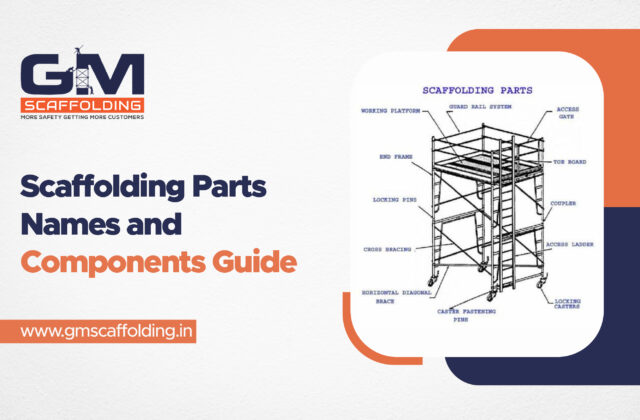
A toe board in scaffolding is a low, horizontal barrier attached to the edge of a working platform, just above deck level, to bridge the gap between the platform surface and the guardrail system above it.
- Located at the base of scaffolding platforms
- Serves as a physical barrier at foot level
- Included in standard scaffold edge protection
Why Toe Boards Are Important for Scaffold Safety
Toe board safety is important because falling tools, offcuts, and debris are a major cause of injury on multi-level construction sites, even when workers above follow other safety precautions correctly.
- Reduces injuries from falling objects to workers below
- Ensures compliance with working platform safety regulations
- Protects people and vehicles around the site boundary
Toe Board Uses in Scaffolding
Toe boards are used in scaffolding for more than just concealing small debris; they also help workers detect the platform edge underfoot, lowering the risk of a stumble near the border.
| Use Case | Benefit |
| Blocking loose tools and fixings | Prevents falling object injuries below |
| Containing offcuts and debris | Keeps platforms tidy and safer to walk on |
| Marking the platform edge | Gives workers a tactile edge reference |
| Supporting overall edge protection | Works with guardrails against falls |
Standard Toe Board Height and Requirements
Scaffolding toe board height is normally set at a minimum of 150mm from the platform surface. However, exact amounts may vary significantly based on the regulations or standards being followed on a given project.
- Minimum height often starts at 150mm
- Height requirements may differ by project and region
- Check exact figures against local rules
Before installation, check the scaffold toe board requirements against the applicable national or site-specific standard, as figures can vary between jurisdictions and project specifications.
Toe Board Materials and Installation Guidelines
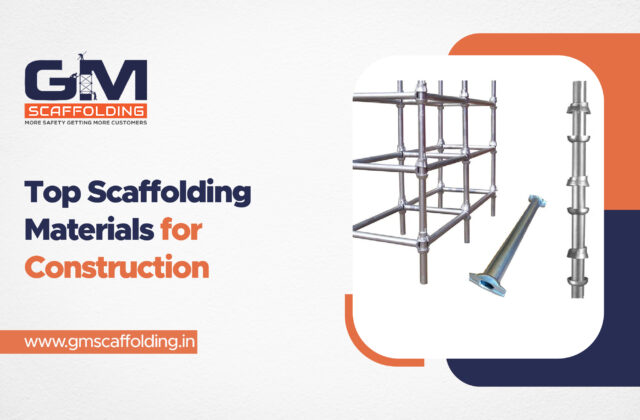
Toe board installation commonly employs hardwood, plywood, or metal panels, selected according to durability requirements, platform type, and how frequently the scaffold will be altered throughout a project. For projects involving scaffolding in Tirupur, the materials should also suit the site conditions and expected workload.
- Standard scaffold decks use timber or plywood boards
- Metal panels suitable for heavy-duty or long-term applications
- Secured tightly against uprights with few gaps
- Checked platform stability after each adjustment
Toe Board vs Guardrail and Midrail
A toe board provides safety at the foot level. At the same time, a scaffold guardrail system adds protection further up, and midrails in scaffolding bridge the gap between the two for total edge coverage.
| Component | Position | Main Function |
| Toe board | Base of platform | Blocks falling tools and debris |
| Midrail | Mid-height barrier | Prevents partial falls through gaps |
| Guardrail | Top of barrier system | Main fall prevention in scaffolding |
Common Toe Board Safety Mistakes
Even experienced crews occasionally forget toe board details, and little mistakes here might jeopardise otherwise strong scaffold platform protection elsewhere on the structure.
- Leaving spaces at corners or access points
- Using faulty or deformed boards without replacement
- Skipping toe boards on lower-risk platforms
- Failure to replace boards following changes
Scaffold Toe Board Inspection Checklist
Applying This Toe Board in Scaffolding: Uses, Height and Safety Importance Checklist
A frequent scaffold toe board inspection checklist detects wear, gaps, and loose fittings before they cause a materials-falling-from-scaffold incident on the jobsite.
- Boards securely fastened with no noticeable movement
- There are no cracks, splits, or severe warping present
- Reduced gaps at joints, corners, and access points
- Height still fulfils the minimum standard
Sites purchasing aluminium scaffolding in Coimbatore should ensure that toe boards are properly installed as part of the normal building site safety checks before handover.
Conclusion
A properly fitted toe board in scaffolding: uses, height, and safety importance cannot be overlooked, as it has a direct impact on reducing falling-object injuries on active construction sites. From selecting the appropriate materials to maintaining the proper height and inspecting boards regularly, each step promotes safer scaffold platforms for everyone working at heights and passing below.
FAQs
1. What is a toe board in scaffolding?
It is a low barrier installed at platform level to prevent tools, debris, and materials from falling on workers or pedestrians below the scaffold.
2. Why are toe boards used in scaffolding?
They reduce falling-object injuries, provide edge protection beside guardrails, and help workers properly sense the platform boundary when working at height.
3. What is the standard toe board height in scaffolding?
Height normally begins about 150mm from the platform surface, though exact standards may differ based on the regulation or project specification used.
4. Are toe boards mandatory on scaffolds?
Most jurisdictions require toe boards on platforms where falling materials could damage someone below, while specific requirements vary by area and project type.
5. How do toe boards prevent accidents on construction sites?
They physically prevent tools and detritus from reaching the edge, limiting falling-object injuries while also indicating the platform boundary underfoot for workers.
6. What should be checked during toe board inspection?
Inspectors should examine board security, height, corrosion, and gaps at corners or access points to guarantee consistent, dependable edge protection during use.