Centering in Construction: Types, Process, Materials and Guide
Introduction
One of the most crucial ideas you will encounter when learning about building structures is centring in construction. It is essential to mould and support concrete elements until they are strong enough to stand on their own. Understanding this process is critical if you want to develop a sturdy, safe, and long-lasting structure.
Simply put, centring serves as a temporary support system. It helps preserve the shape of slabs, beams, and roofing during construction. Concrete structures that are not properly centred may collapse or fail to achieve their intended design.
Why Centering Is Important in Construction
What Is Centering in Construction?
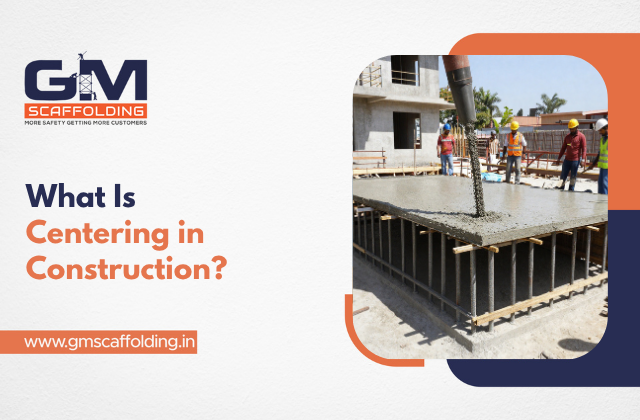
To understand clearly, you need to learn about centering. It refers to the temporary arrangement of supports and moulds used to keep wet concrete in place while it cures.
This approach ensures the structure maintains its shape and alignment during curing. Whether you’re working on a small house or a large structure, centring is a critical phase that cannot be overlooked.
Why Centering Is Important for You
When working on a construction project, centring has a direct impact on the structural quality. It is more than just assistance; it is about precision and safety.
Here’s why this matters:
- Maintains the proper form of slabs and beams
- Prevents structural deformation
- Ensures safety during building
- Ensures a smooth finish
- Supports high loads when curing
If centring is done incorrectly, it can result in fissures, uneven surfaces, or structural failure.
Centering in Construction Explained for Beginners
Understanding Centering in Construction
When you hear the term centring in construction, imagine it as the foundation of concrete work. It holds everything in place until the structure is self-supporting.
Many beginners confuse centring with other procedures; it is only concerned with supporting horizontal pieces such as slabs and beams.
Types and Materials of Centering in Construction
Types of Centering in Construction
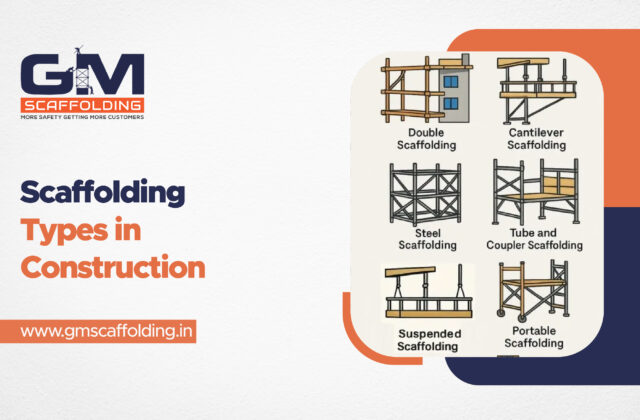
Various strategies are utilised depending on the project’s size and requirements. Understanding the many types of centring in construction can help you choose the best solution.
Common types:
- Timber Centering: Made with hardwood planks and supports, ideal for minor projects.
- Steel Centering: Durable and reusable, it’s suitable for large-scale building.
- Aluminium Centering: Lightweight and easy to handle, they are widely employed in modern construction.
- Plastic and Formwork Systems: Suitable for repeating designs and easy installation.
Each type has unique advantages in terms of cost, durability, and convenience of use.
Also Read: https://blog.gmscaffolding.in/types-of-scaffolding-in-construction/
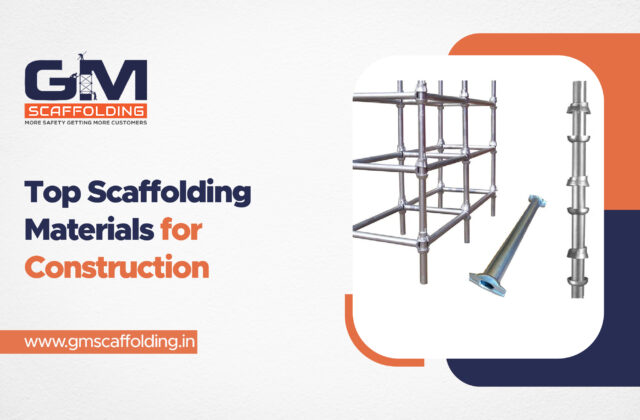
Materials Used in Centering Work
To fully understand construction-centred materials, you first need to understand how the support system is built.
Common Materials:
| Material | Purpose | Benefits |
| Wood | Basic support and framework | Affordable and easy to use |
| Steel | Strong structural support | Durable and reusable |
| Aluminum | Lightweight support | Easy handling |
| Plywood | Surface for concrete shaping | Smooth finish |
Choosing the correct material for your project assures its stability and effectiveness.
Centering in Construction: Differences and Process
Difference Between Centering and Shuttering
Centering and shuttering in construction are often utilised together, yet they serve separate functions.
- Centering: Supports horizontal constructions, such as slabs
- Shuttering: Creates moulds for vertical constructions, such as columns.
Both work together to guarantee that the concrete sets properly without losing shape.
Also Read: https://blog.gmscaffolding.in/mivan-shuttering-parts-materials-components-guide/
How Centering Work Is Done
Understanding what centering in construction includes allows you to observe how the procedure is carried out step by step.
Basic steps:
- Set up vertical supports
- Fixing horizontal boards or plates
- Ensure adequate alignment and levelling
- Place reinforcement (steel bars)
- Pouring Concrete
- Allowing time to cure
- Removing centring once strength is attained
To avoid mistakes, each step must be carefully executed.
Centering in House Construction: Mistakes and Best Practices
Centering in House Construction
When it comes to focusing on house construction, the process is typically simpler but equally significant.
Residential buildings are typically made of wood or lightweight materials. However, accuracy is still required to guarantee that slabs and roofs are robust and well-aligned.
If you engage with professionals, such as scaffolding contractors in Coimbatore, they can ensure that the centring process is safe and efficient.
Common Mistakes You Should Avoid
Even small centering errors can lead to major problems later. Being aware of these can help you avoid pricey repairs.
Avoid these errors:
- Using weak or broken materials
- Supports are not properly levelled
- Removing centring too soon
- Overloading the structure before curing
- Ignoring safety precautions
Paying attention to these subtleties leads to greater results.
Also Read: https://blog.gmscaffolding.in/scaffolding-materials-guide-for-construction/
Practical Tips for Better Results
To achieve the best results from your centring job, follow these practical guidelines:
- Always use superior materials
- Double-check alignment and measurements
- Allow enough curing time
- Work with skilled professionals.
- Maintain the correct safety requirements
These simple procedures can significantly improve the durability of your construction.
Conclusion
You should now have a solid understanding of centring in construction and why it is such an important aspect of any building project. It is more than a temporary setup; it is the foundation that ensures your structure gets the proper shape and remains stable.
When done properly, centring increases strength, safety, and overall quality. Whether you’re building a house or a business project, paying attention to this step will save you time, money, and future headaches.
As you continue your construction journey, keep in mind that solid constructions require good support, and centring is where that support begins.
FAQs
1. What materials are used for construction centering?
Wood, steel, aluminium, and plywood are common materials used, depending on the project’s size and endurance.
2. What is centering in construction?
In construction, centering is a temporary support mechanism that holds concrete constructions, such as slabs and beams, in place until they gain strength.
3. What is the difference between centering and shuttering?
Centering supports horizontal elements such as slabs, whereas shuttering creates moulds for vertical elements such as columns and walls.
4. Where is centering used in building construction?
During construction, centering is most commonly utilised on slabs, beams, roofs, and other horizontal concrete elements.
5. What are the types of centering in construction?
The primary types are timber centering, steel centering, aluminium centering, and plastic formwork systems.
6. Why is centering important for slab and beam work?
Centering ensures that slabs and beams have the correct shape, alignment, and strength as the concrete sets and cures.