H Frame Scaffolding Guide for Construction Sites
Introduction
Scaffolding systems are required on construction sites to ensure safe access, stability, and efficiency. Among the various types available, H-frame scaffolding systems are popular for their strength, ease of assembly, and versatility.
This reference describes the structure, components, sizes, and practical applications of H-frame scaffolding, helping contractors, engineers, and site supervisors use it safely and effectively.
Understanding H-Frame Scaffolding
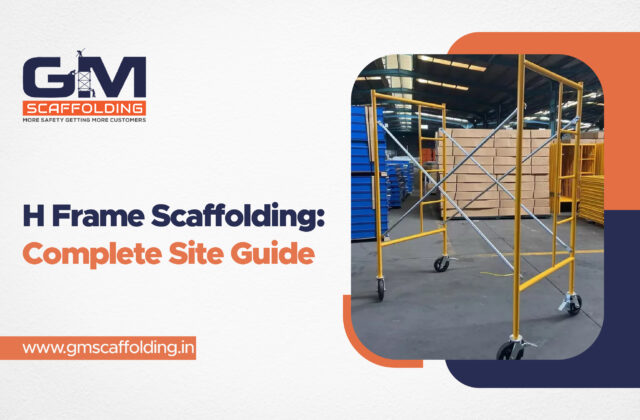
This is a modular scaffolding system that consists of prefabricated frames shaped like the letter “H.” These frames are joined horizontally and vertically to create secure working platforms of varying heights. Because of its strong structure, the H-frame is widely used for building construction, plastering, painting, and maintenance.
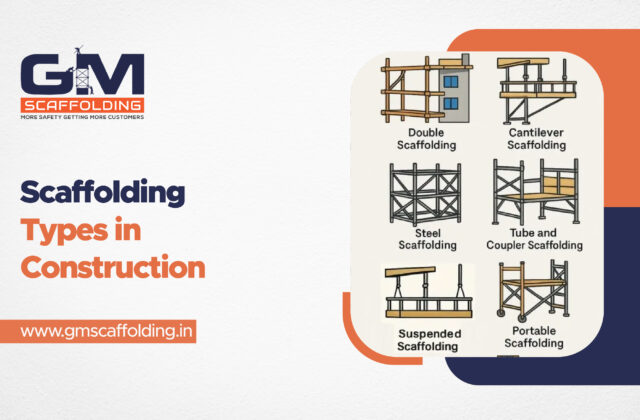
Understanding different scaffolding types helps in selecting the right system, such as H-frame scaffolding, for specific construction tasks. This system is popular on construction sites since it is easy to install and can withstand enormous loads. When properly erected, H-frame scaffolding provides a stable working area for workers and materials.
What Is H-Scaffolding?
To clarify, H-Scaffolding is a scaffolding system that connects vertical frames with cross bracing and horizontal members. The “H” design promotes regular spacing and structural equilibrium. Many professionals refer to it as a frame scaffold, which emphasises its prefabricated frame-based construction.
When choosing between materials, understanding steel vs aluminium scaffolding helps determine the best balance of strength, weight, and cost for the project. The structure’s simplicity reduces installation time and the need for complex tools. This makes it appropriate for projects with tight deadlines.
Components and Construction Details
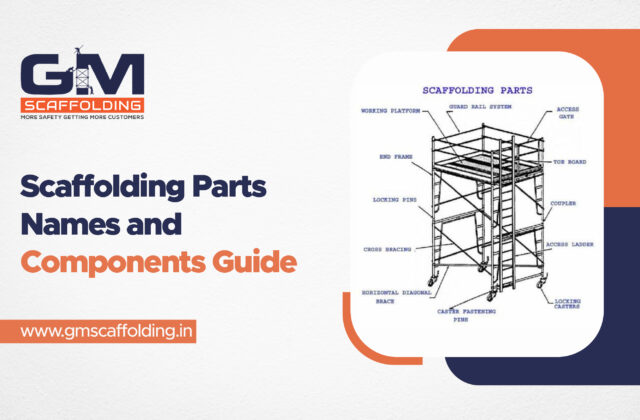
Understanding the features of H-frame scaffolding is critical to a safe installation. The system typically consists of vertical frames, cross braces, foundation plates, adjustable jacks, planks, and guardrails. Each component helps to maintain alignment, stability, and load-bearing capacity.
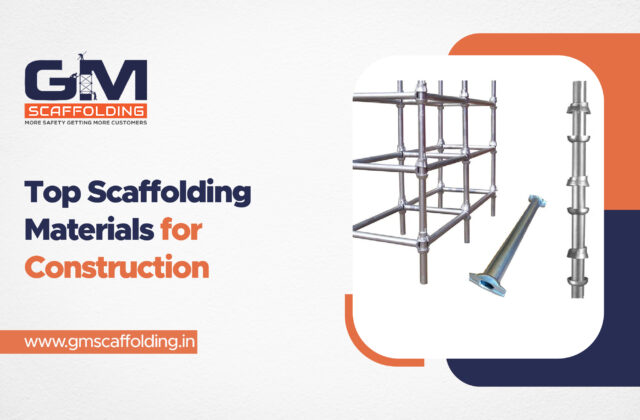
Using high-quality scaffolding materials ensures durability, safety, and reliable performance during assembly and use.
The H-frame scaffold components are designed to fit together precisely, ensuring consistent height and spacing. Proper locking mechanisms prevent inadvertent movement while in use. Site supervisors must confirm that all components are in good working order before assembly.
Sizes and Load Capacity
Selecting the appropriate size is crucial for safety and efficiency. The size of the H-frame scaffolding varies based on project requirements, with standard frame heights ranging from 1.5 to 2 meters. The frame width and spacing are determined by platform load and working space.
When choosing the right scaffold height, it is essential to consider both worker safety and the load capacity to ensure stability and compliance with regulations. The size of the scaffolding also influences its load-bearing capabilities. Larger frames, with proper bracing, can support heavier loads and more personnel. Always adhere to the manufacturer’s specifications to avoid overloading.
Benefits of Using H Frame Systems
The advantages of H-frame scaffolding make it the favoured option for many building projects. Its modular design enables easy construction and removal, reducing labour time. In comparison to tube-and-coupler systems, the rigid frame structure is more stable.
Using H-frame scaffolding speeds up building projects by allowing faster assembly, efficient material handling, and safer access for workers. Another advantage is its flexibility. H-frame scaffolds can be used both indoors and outdoors, on low- and mid-rise buildings. Their standardised components also facilitate maintenance and replacement.
Applications on Construction Sites
H-frame systems are widely employed in residential construction, commercial projects, and industrial maintenance. They offer secure access for brickwork, plastering, electrical installation, and painting. Because of its robustness, H-frame scaffolding is ideal for operations requiring personnel to move tools and materials at height.
Contractors frequently use this method for repetitive work across multiple floors because it ensures consistent platform height and alignment.
Related: https://blog.gmscaffolding.in/cantilever-scaffolding-uses-construction/
Safety and Installation Guidelines
Proper installation is required to maximise the safety benefits of this scaffolding system. Frames must be installed on firm, level ground with base plates or adjustable jacks. Cross braces should be properly fastened to avoid lateral movement.
Following the correct steps to assemble scaffolding right ensures stability, prevents accidents, and maintains compliance with safety standards. Regular inspections should be conducted to identify loose connections, damaged components, and uneven surfaces. Although H-frame scaffolding is durable, improper installation can jeopardise safety.
Availability and Rental Options
Many contractors choose to rent scaffolding rather than purchase it, particularly for short-term work. H-frame scaffolding rental services offer approved equipment and skilled guidance. Renting also guarantees compliance with safety regulations and alleviates storage worries.
Those looking for H-frame scaffolds near me often choose suppliers that offer prompt delivery, installation assistance, and a quality guarantee.
Maintenance and Storage
After disassembly, scaffolding components should be cleaned and inspected for damage. Proper storage reduces corrosion and increases the life of frames and braces. Regular maintenance keeps the system safe for future usage.
Keeping accurate records of inspections and repairs helps to ensure responsibility and compliance on building sites.
Conclusion
H-frame scaffolding is a practical, dependable, and effective solution for building sites that require safe access to heights. Its simple design, high load capacity, and ease of use make it ideal for a variety of applications.
Construction professionals can use H-frame scaffoldings to increase productivity while maintaining high safety standards if they understand the components, sizes, benefits, and safety measures.
FAQs
1.What is H Frame Scaffolding?
H Frame Scaffolding is a modular scaffolding system consisting of H-shaped frames joined by bracing to create safe working platforms at height.
2.What are the standard parts of H-frame scaffolding?
The standard components include H frames, crossbeams, base plates or adjustable jacks, working platforms, guardrails, and toeboards.
3.What are the common sizes of H-frame scaffolding available?
Common frame heights range from 1.5 to 2 meters, with varied widths based on load and workspace requirements.
4.How do I choose the right H-frame scaffolding for my project?
Choose based on project height, load requirements, working space, site conditions, and compliance with safety standards.
5.What safety measures should I follow while using H-frame scaffolding?
Ensure correct installation on stable ground, secure all braces, utilise guardrails, avoid overloading, and perform routine inspections before use.