Diagonal Bracing in Scaffolding: Types, Uses & Safety Guide
Quick Answer
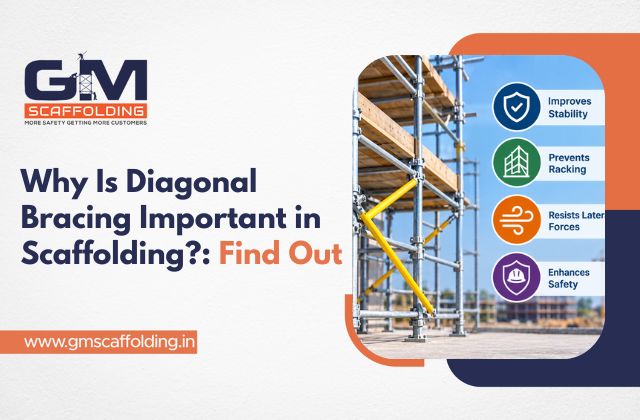
Diagonal bracing in scaffolding employs inclined components to reinforce scaffold frames, prevent sway, and ensure stability. The arrangement depends on the scaffold system’s dimensions, loading, site conditions, and approved design. Braces should be properly connected and inspected, with no unapproved substitutions. Routine inspections can also help detect missing, loose, broken, or altered braces.
Quick Overview Table
| Aspect | Key Takeaway |
| Purpose | Controls sway and supports rigidity |
| Main arrangement | Inclined members connect points |
| Stability role | Maintains geometry |
| Installation | Follow approved requirements |
| Safety | Inspect connections |
Table of Contents
- Introduction
- What Is Diagonal Bracing in Scaffolding?
- Types and Applications of Scaffolding Bracing
- Installation and Safety Considerations
- Conclusion
- FAQs
Introduction
Diagonal bracing in scaffolding is vital for preserving the stability and rigidity of scaffold structures during construction. Braces link scaffold members at an angle, limiting unwanted movement while supporting the structure’s intended geometry. Understanding bracing arrangements, their applications, installation requirements, and safety considerations helps scaffolders, contractors, engineers, and site supervisors maintain a sturdy, properly built scaffold system.
What Is Diagonal Bracing in Scaffolding?
Workers, materials, the wind, and building activity can all cause movement on a scaffold. Inclined bracing helps resist movement and maintain the frame’s desired shape. Diagonal bracing in scaffolding refers to braces inserted between scaffold members to improve rigidity and stability when used in a permitted arrangement.
- Helps to reduce unwanted lateral movement.
- Ensures frame alignment and stiffness.
- Needs secure, suitable connectivity.
Action step: Before erection, go over the design, brace placements, components, and inspection methods. Project teams working with scaffolding contractors in Coimbatore should guarantee that the installation follows approved specifications. Never choose brace positions based on appearance alone; always validate the arrangement before handover.
Types and Applications of Scaffolding Bracing
Types of Scaffolding Bracing
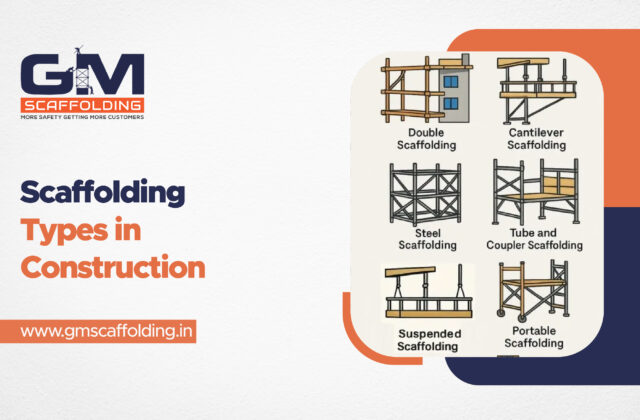
Various scaffolding bracing types suit stability needs within specific scaffold systems. Use dimensions, access, loading, and design to determine whether a diagonal, cross, longitudinal, or transverse layout is appropriate. These configurations are not interchangeable, so the chosen configuration should match the manufacturer’s system or approved engineering requirements.
| Bracing type | Main function |
| Diagonal bracing | Limits lateral movement |
| Cross bracing | Creates triangulated support |
| Longitudinal bracing | Supports lengthwise stability |
| Transverse bracing | Maintains frame geometry |
| System-specific bracing | Matches approved design |
Action Step
- Compare scaffolding brace types with the manufacturer’s directions.
- Confirm the spacing, connection points, compatibility, and access specifications.
- Never insert a random member simply because it appears appropriate.
- Keep bracing in the planned configuration and test it before use.
Cross Bracing and Diagonal Applications
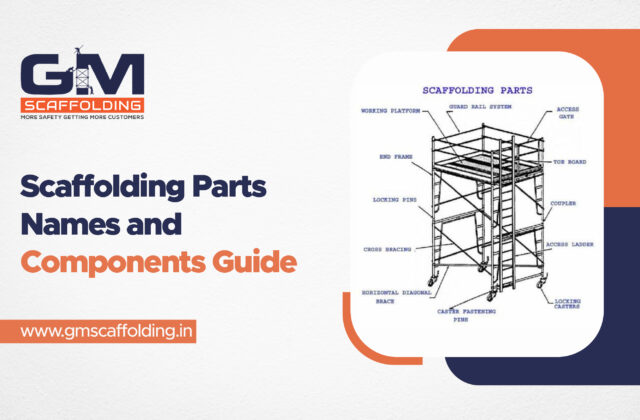
Cross bracing in scaffolding often consists of two inclined elements that connect within a scaffold bay, resulting in a triangulated form. A single diagonal can also be employed if the scaffold system allows it. The goal is to control movement across the frame, not just add material. The correct application depends on the overall scaffold design.
- Crossed members make a visible triangle.
- Single diagonals may be suitable for approved systems.
- Connections must correspond to the scaffold system.
Action step
- When inspecting diagonal brace scaffolding, check the entire bay, not just one element.
- Confirm the stated connections, component condition, and access clearances.
- Make sure bracing does not obstruct platforms, ladders, guardrails, or pathways.
- Before making any changes to the structure, compare them to the approved scaffold configuration.
Why Diagonal Bracing in Scaffolding Supports Stability
A scaffolding diagonal brace increases frame rigidity by resisting movement along an angled slope. Its performance depends on proper placement, secure connections, appropriate components, and the overall scaffold layout. Bracing is an integral part of a structural system, not an aftermarket add-on.
During examination, look for weak connections, deformation, corrosion, missing components, or shifted placements. Ensure the diagonal scaffold bracing matches the authorised arrangement. Before using the scaffold, ensure that no critical members have been removed, damaged, or obstructed during subsequent construction activities, and report any discrepancies.
Installation and Safety Considerations
Correct diagonal bracing for scaffolding begins with a predetermined configuration based on the scaffold type, dimensions, loads, environmental conditions, and applicable standards. Follow the manufacturer’s instructions or engineered design. Do not cut, bend, remove, or reposition braces unless authorised.
- Use compatible, approved components.
- Before you add braces, inspect them.
- Secure connectivity at specific points.
Action step
- Treat scaffold diagonal bracing as safety-critical during erection and inspection.
- Check the arrangement, connections, stability measures, and access provisions before handing over.
- During use, promptly report any missing or damaged bracing to prevent unauthorised alterations.
- Use only approved brace scaffolding combinations, and review the setup anytime important site conditions change.
Also Read: https://blog.gmscaffolding.in/scaffolding-load-capacity/
Conclusion
Safe scaffolding depends on a correctly assembled system, and diagonal bracing in scaffolding is an important part of it. Understand bracing arrangements, check connections, adhere to approved designs, and avoid illegal adjustments. Use qualified staff and recognized standards for erection, inspection, modification, and disassembly.
FAQs
1.What is diagonal bracing in scaffolding?
It is a system of slanted scaffold components designed to increase frame rigidity and resist unwanted movement. The arrangement depends on the scaffold’s design, dimensions, loading, component system, and site conditions. Installation should adhere to manufacturer instructions, approved design specifications, and appropriate safety protocols.
2.What is the purpose of diagonal bracing in scaffolding?
It helps control lateral movement while maintaining the intended scaffold geometry. Proper bracing requires carefully assembled frames, secure connections, appropriate foundations, and other necessary safety precautions. Bracing alone cannot fix a scaffold that is incorrectly erected or poorly planned.
3.What are the different types of scaffolding bracing?
Common bracing types include diagonal, cross, longitudinal, transverse, and system-specific. Available alternatives vary by scaffold system and design. Understand scaffolding bracing in terms of manufacturer configurations and project requirements, not as interchangeable arrangements.
4.What is the difference between diagonal and cross bracing?
A diagonal brace is an inclined member that connects scaffold points, whereas cross bracing involves two inclined members that overlap within a bay. Both can improve stability, but their effectiveness depends on system design, connection details, size, access needs, and allowed configuration.
5.How does diagonal bracing improve scaffold stability?
It resists lateral movement and supports the scaffold’s intended shape via inclined members and connections. Effective performance is dependent on proper positioning, secure connections, suitable components, and a comprehensive scaffold layout. Inspection is still necessary because damage, removal, or unauthorised alteration may compromise stability.
6.Where should diagonal braces be installed on scaffolding?
The manufacturer, competent person, or approved design should determine brace locations. Consider scaffold height, length, loading, configuration, access, and environmental conditions. Follow the stated connection points, spacing, and arrangement during erection and after any allowed alterations.