Trestle Scaffolding: Structure, Uses, Benefits & Safety Guide
Quick Answer
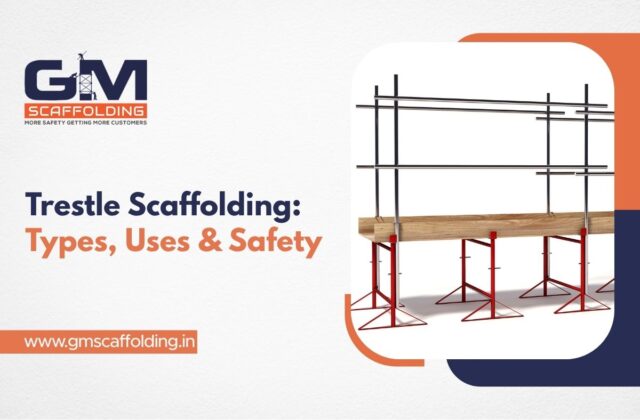
Trestle scaffolding is a lightweight, mobile working platform constructed using A-frame trestles rather than typical scaffold poles. It is ideal for indoor work, low-height operations, and short-duration jobs such as painting, plastering, or electrical fitting, as it is quick to assemble, easy to relocate, and provides a sturdy platform up to 4.5 meters high.
Quick Overview Table
| Aspect | Details |
| Structure Type | A-frame trestles with scaffold boards on top |
| Typical Max Height | Around 4.5 metres |
| Best For | Short-duration, low-height indoor/outdoor tasks |
| Key Advantage | Quick to assemble, lightweight, and portable |
| Key Limitation | Not suited to heavy loads or long-term use |
Table of Contents
- Introduction to Trestle Scaffolding
- Trestle Scaffolding Structure and Components
- How Trestle Scaffolding Works
- Benefits, Disadvantages and Uses of Trestle Scaffolding
- Factors to Consider When Selecting Trestle Scaffolding
- Scaffold Duty Classification
- Trestle Scaffolding Safety Requirements
- Conclusion
- FAQs
Introduction
Trestle scaffolding is one of the simplest and most practical access options used on building and maintenance projects. It is lightweight, portable, and easy to erect, providing workers with a sturdy platform for operations that do not require full-height scaffold towers. This document describes the organization, operation, benefits, applications, and safety requirements for site teams.
Trestle Scaffolding Structure and Components
What is Trestle Scaffolding?
A trestle scaffolding system is a temporary work platform supported by moveable A-frame trestles rather than fixed vertical standards. This trestle construction typically consists of two or more trestles with scaffold boards set across them, creating a raised, stable platform. It is commonly utilised for short-term, low-height indoor and outdoor activities.
- Quickly assembled without heavy equipment or bolts
- Suitable for loads up to a limited safe operating height
- Easily moved within a room or work space
- Frequently used in painting, plastering, and light maintenance work
Trestle scaffolding for short-duration tasks saves setup time and personnel compared to full scaffold towers, making it a practical solution for contractors with tight timetables and limited access.
What is a Trestle Ladder?
A trestle ladder is a self-supporting, hinged ladder that unfolds into an A-frame configuration and does not require wall support. It is frequently used as the foundation of a trestle scaffold when combined with boards. However, it can also be utilised on its own for short-duration access operations at lower elevations.
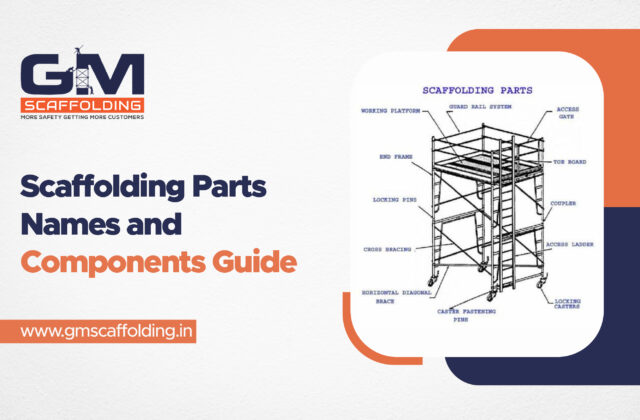
What Are the Parts of Trestle Scaffolding?
Each component has a specific purpose, and choosing boards or trestles suitable for the specified load ensures the platform’s safety throughout the task.
| Component | Function |
| Trestles (A-frames) | Provide the main vertical support structure |
| Scaffold boards | Form the horizontal working platform |
| Guard rails | Prevent falls from platform edges at height |
| Toe boards | Stop tools or debris falling from the platform |
| Braces | Add lateral stability to the assembled frame |
How Trestle Scaffolding Works
The trestles are opened and secured at the same height, and boards are laid over the top to create a level platform. Before loading boards, workers ensure that the structure is stable, has good ground contact, and has locking systems in place to prevent tipping or uneven weight distribution.
Benefits, Disadvantages and Uses of Trestle Scaffolding
What Are the Benefits of Trestle Scaffolding?
- Compared to tube-and-fitting scaffolds, they are quicker to install and disassemble
- Lightweight and easy to move between workspaces
- Cost-effective for short-term or one-day projects
- Assembly requires a minimum of tools and technical training.
- Reusable for several small jobs in the same place
What Are the Disadvantages of Trestle Scaffolding?
- Limited to lower working heights than tower scaffolding
- Less stable on uneven or soft ground
- Not recommended for high loads or long-term use
- Inspection is required before each use to prevent mishaps
What Are the Uses of Trestle Scaffolding?
Trestle scaffolding is suitable for interior finishing, light electrical and plumbing work, painting, and short-term maintenance on residential and commercial facilities. Its portability makes it an ideal alternative for workers who need to move between small zones without having to assemble a whole scaffold each time.
- Interior Painting and Plastering Work
- Ceiling and light fixture installation
- Shopfitting and shop display work
- Minor repair and inspection tasks
Applications of Trestle Scaffolding
For teams needing flexible access equipment on demand, sourcing a scaffolding ladder for rent in Coimbatore can reduce upfront costs while still providing reliable, inspected trestle units suited to short-term project timelines and varying site conditions.
Factors to Consider When Selecting Trestle Scaffolding
- Maximum working height required
- Load capacity for workers, equipment, and supplies
- Ground surface stability and levelness
- Duration of use and relocation frequency
- Comply with local scaffold safety laws
Scaffold Duty Classification
| Duty Class | Typical Load Use |
| Light duty | Inspection, light painting, and similar tasks |
| Medium duty | General trades work with moderate material loads |
| Heavy duty | Bricklaying and heavier material handling |
Matching the job classification to the actual task load minimises overload and keeps the platform within its safe operating parameters.
Trestle Scaffolding Safety Requirements
How to Access Trestle Scaffolding Safely
Workers should utilise a fixed ladder or step to access the platform, climb with three points of contact, and avoid jumping onto the boards, as sudden impact can displace trestles or dislodge boards unexpectedly.
When Edge Protection is Required
Edge protection, such as guardrails and toe boards, is required if the platform height exceeds 2 meters or if a fall could cause injury, in accordance with standard site safety rules.
Erecting the Scaffold Adjacent To Hazards
When installing scaffolding near walkways, doorways, or vehicle paths, teams should utilise barriers, warning signage, and proper lighting. Checking with local providers of scaffolding in Salem can assist in ensuring compliant, well-maintained equipment for projects in the region.
Conclusion
Trestle scaffolding is still one of the most useful access solutions for short-term, low-height building and maintenance operations. Understanding its construction, proper assembly, and safety criteria enables site crews to select the best arrangement, work quickly, and decrease fall-related hazards on each project.
FAQs
1. What is trestle scaffolding in construction?
It is a temporary working platform made of movable A-frame trestles with boards set across the top, often used for short-duration, low-height jobs on construction sites, both indoors and outdoors.
2. What are the main uses of trestle scaffolding?
It is mostly used for painting, plastering, light electrical work, ceiling fixture installation, and minor repairs, where personnel require a portable, easily built platform for low-height access jobs.
3. What are the benefits and disadvantages of trestle scaffolding?
The advantages include quick assembly, portability, and cost reductions for brief jobs. The disadvantages include limited height capacity, reduced stability on uneven terrain, and unsuitability for large, long-term loads.
4. What are the main parts of trestle scaffolding?
The main components are A-frame trestles, scaffold boards, guardrails, toe boards, and bracing, all of which contribute to platform stability, fall prevention, and safe load distribution during operation.
5. How do you access trestle scaffolding safely?
Access safely by using a fixed ladder or step, keeping three points of contact, avoiding jumps onto the platform, and ensuring that the trestles are locked and level before climbing.
6. When is edge protection required on trestle scaffolding?
Edge protection is required when the platform height exceeds 2 meters or when there is a risk of falling, with guardrails and toe boards used to prevent injury during elevated work.