How Weather Conditions Impact Scaffolding Projects
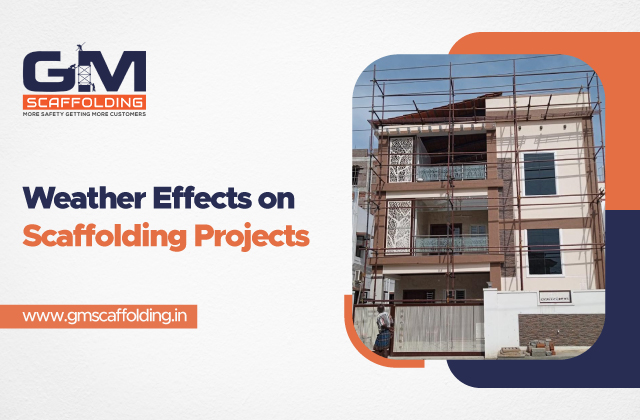
Understanding How Weather Affects Scaffolding Work
Weather is one of those site factors people think they can’t control so they sometimes ignore it. On scaffolding, that mindset is dangerous. The higher you build, the more strongly the wind, rain, and temperature changes are felt.
Understanding how weather conditions impact scaffolding projects helps you plan work that is both safe and efficient. Many construction teams rely on experienced scaffolding dealers in Coimbatore to provide durable materials and guidance suited to local weather challenges.
Why Weather Is a Critical Risk Factor for Work at Height
Scaffolding is a temporary structure. It’s designed for strength and stability, but it’s still more vulnerable to the elements than a permanent building. Weather can:
- Push and pull on the scaffold with strong winds
- Make platforms, ladders, and stairs slippery
- Add extra weight from water, snow, or ice
- Reduce visibility and concentration
- Turn loose materials into falling objects
Regulators and safety bodies around the world repeatedly highlight weather as a key hazard for scaffolding and work at height.
Basics: How Scaffolding Responds to Environmental Loads
To manage weather risks, it helps to know what the scaffold is dealing with physically.
Wind, Live Loads, and Dynamic Forces on Scaffolds
Scaffolds are designed to handle:
- Dead loads – their own weight
- Live loads – workers, tools, materials
- Environmental loads – mainly wind, but also sometimes snow and water
Guidance documents and codes of practice stress that designers must consider environmental loads especially wind when designing scaffold structures.
Wind doesn’t just push steadily; it gusts. Sudden gusts can:
- Make the scaffold sway
- Affect workers’ balance
- Loosen poorly fixed components
That’s why high winds are one of the main triggers for stopping work.
High Winds: The Most Serious Weather Threat to Scaffolding
Wind is usually the number one weather concern for scaffolding projects.
Wind Speed Thresholds and When Work Must Stop
There’s no single worldwide “magic number,” but several authorities and industry bodies give practical guidance:
- OSHA’s scaffolding standard says you must not work on scaffolds in storms or high winds unless a competent person has judged it safe and workers are protected with fall arrest or wind screens, and the scaffold is secured.
- UK and Irish guidance commonly note that winds above about 23 mph (Force 5) can affect a person’s balance and that work at height should be avoided in such conditions.
- Australian codes and alerts emphasise securing scaffolds against strong and gusty winds and considering wind effects at the design stage.
- Many scaffold companies adopt their own conservative internal limits and halt work when wind speeds or gusts exceed those thresholds.
Key point: once winds reach a level where balance, stability, or falling objects become likely, you must pause work and reassess.
Rain, Wet Surfaces, and Reduced Visibility
Rain may look harmless compared to storms, but on scaffolding it changes everything underfoot.
Slip Risks for Workers and Access Ladders
Wet boards, metal ladders, and stair treads quickly become slippery. Safety guidance stresses:
- Using non-slip boots and gloves designed for wet work
- Keeping access points clear of mud and standing water
- Considering anti-slip surfacing or mats where conditions are frequently wet (International Scaffolding)
Visibility also drops in heavy rain, which makes it harder to see edges, trip hazards, or incomplete platforms.
Important: day-to-day rain is one of the most common triggers for slips and minor falls.
Snow, Ice, and Freezing Conditions
Cold weather brings its own set of hazards for scaffolding projects.
Ice Build-Up on Platforms and Guardrails
Ice on platforms is like working on a sheet of glass:
- Boards lose almost all grip
- Guardrails, ladders, and handrails become slippery
- Snow can hide ice patches, boards, or fittings beneath
Scaffolding safety guides advise either not working when platforms are icy or taking very strict precautions such as clearing snow/ice and using non-slip surfaces.
Heat, Sun, and Extreme Temperature Swings
It’s not only “bad weather” that causes issues. Hot, sunny conditions can be hazardous too.
Worker Fatigue, Dehydration, and PPE Challenges
Working at height in high heat or strong sun can cause:
- Dehydration and heat exhaustion
- Reduced concentration and slower reaction times
- Discomfort in full PPE (hard hats, gloves, harnesses)
Guidance for outdoor work in extreme temperatures recommends:
- More frequent rest breaks
- Shade and hydration stations
- Adjusted work/rest schedules in extreme heat (International Scaffolding)
On scaffolding, decreased concentration can turn a minor misstep into a serious fall.
Lightning, Storms, and Severe Weather Events
Storms mix several hazards at once: wind, rain, poor visibility, and sometimes lightning.
Electrical Hazards from Metal Scaffolds
Most scaffolds are built from metal tubes, which conduct electricity. OSHA’s lightning safety fact sheet and other guidance stress that outdoor workers should stop work and move to a safe shelter when lightning is in the area.
On a scaffold, the risk is higher because:
- Workers are elevated and more exposed
- The structure itself can act as a path to ground
If thunder is heard or lightning is visible, workers should leave the scaffold and stay off it until the storm has clearly passed.
Ground Conditions, Drainage, and Scaffold Stability
Weather doesn’t only hit the top of the scaffold—it also affects what it stands on.
Soft Soil, Erosion, and Undermining of Base Plates
Prolonged rain or flooding can:
- Soften soil under sole boards
- Wash away support from one side of a base plate
- Cause differential settlement, making the scaffold lean
Scaffolding codes and guides state that ground conditions and the effects of weather should be considered when designing foundations.
Conclusion:
Weather is not an optional extra in scaffolding planning. It’s a fundamental design and safety factor. When you understand how weather conditions impact scaffolding projects, you start to see the structure and the people on it in a new way:
- Wind, rain, snow, heat, and lightning all change the risks at height
- Foundations, ties, sheeting, and access routes all respond to the weather
- Regulations expect you to anticipate these effects, not react to them at the last minute
FAQ:
1. At what wind speed should work on scaffolds stop?
There’s no single global limit, but many guidelines treat winds around 20–25 mph (approx. 9–11 m/s) as a point where work at height becomes risky for balance and falling objects, and where a competent person should seriously consider stopping work.
2. Can I keep working on scaffolding in heavy rain?
Light rain may be manageable with good footwear and anti-slip measures, but heavy rain can make platforms and ladders very slippery, reduce visibility, and weaken ground conditions. Many safety guides advise scaling back or stopping work when rain is intense or when surfaces become unsafe.
3. Is it safe to work on scaffolding during thunderstorms?
No. Because scaffolds are usually metal and elevated, they increase lightning risk. OSHA and other authorities recommend workers leave elevated outdoor structures and seek safe shelter as soon as thunder is heard or lightning is seen, and only return after the storm has clearly passed.
5. Do I need to redesign my scaffold if I add full sheeting or netting?
Often yes. Sheeting and netting increase wind loads significantly. Codes of practice stress that environmental loads must be considered during design, and you shouldn’t add large areas of sheeting unless a competent designer confirms that ties, anchors, and bracing can cope with the extra forces.
6. Who decides when weather conditions are too dangerous to continue work?
Typically, a competent person trained and authorised to recognise hazards and take corrective action makes that decision, guided by regulations, company policy, and real-time weather data. OSHA’s standards and many national guides explicitly require this level of competence for scaffold safety decisions.