Strategic Use Of Scaffolding In High-Rise Projects

Quick Answer
Strategic Use of Scaffolding in High-Rise Projects reduces fall exposure by matching access, loads, and sequence. Falls remain the top construction killer: in 2023 the U.S. recorded 421 fatal falls to a lower level out of 1,075 construction deaths, and falls/slips/trips made up 38.5% of construction fatalities. Plan systems early, inspect daily, and rent only certified components. (Bureau of Labor Statistics)
Quick Overview
| Topic | What To Do | Outcome |
| Access strategy | Map trades by floor and facade zone | Fewer clashes, faster cycle time |
| System selection | Choose supported, suspended, or hybrid scaffolding | Right reach, safer workfaces |
| Safety controls | Guardrails, toe boards, tagging, daily inspections | Lower fall and object risks |
| Logistics | Add stair towers, loading bays, material hoists | Less waiting, smoother deliveries |
| Rental planning | Lock scope, durations, and handover responsibilities | Predictable cost, clear accountability |
Table Of Contents
- Quick Answer
- Quick Overview
- Strategic Use Of Scaffolding In High-Rise Projects Starts With Risk
- Scaffolding Planning For High-Rise Projects: A Simple Workflow
- High-Rise Construction Scaffolding Systems Compared
- Construction Site Access Solutions For Tall Buildings
- Scaffolding Safety In High-Rise Construction: Non-Negotiables
- FAQs
- Conclusion
Strategic Use Of Scaffolding In High-Rise Projects Starts With Risk
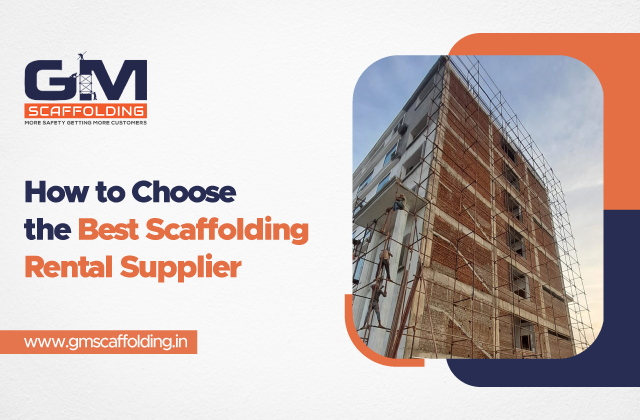
In a tower build, strategic use of scaffolding is less about pipes and more about project control. The right high-rise scaffolding solutions keep trades moving, reduce lift queues, and protect edges in windy conditions. Treat scaffolding for tall buildings as temporary works, planned alongside formwork, facade, and MEP, not an afterthought.
“Falls are the leading cause of death in construction.”
Source: OSHA Fall Prevention Campaign. (OSHA)
- Productivity win: stable platforms reduce stoppages from access changes.
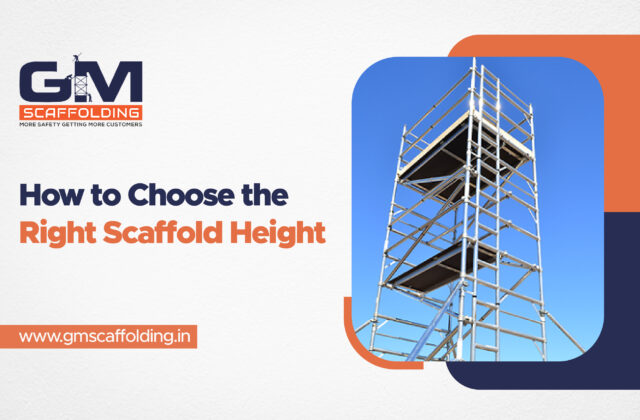
- System fit: supported scaffolding for skyscrapers suits heavy, repetitive bays.
- Facade speed: suspended scaffolding systems cut ground congestion.
- Scale of risk: ILO cites 108,000 site deaths yearly worldwide. (International Labour Organization)
Action step: ask for a floor-by-floor access sketch during tendering. When scaffolding is tied to your look-ahead plan, you can lock tie-in points, loading bays, and dismantle dates, then price it accurately. If your project is in Tamil Nadu, start with a local availability check early through scaffolding in coimbatore. (GM Scaffolding)
Scaffolding Planning For High-Rise Projects: A Simple Workflow
Scaffolding planning for high-rise projects works best when it is treated like a mini design package. You define work zones, calculate live loads, decide where ties and anchors can go, and schedule erection and stripping like formwork cycles. This prevents last-minute changes that trigger downtime and safety risk. It also makes rental quotes accurate.
| Phase | Key Inputs | Output | Responsible |
| Pre-tender | Elevations, facade schedule, trade sequence | Access concept, BOQ allowances | PM, engineer |
| Design | Loads, tie locations, wind exposure | Scaffold layout, tie-in plan | Site engineer |
| Rental sourcing | System type, duration, transport routes | Quotation, mobilisation dates | Procurement |
| Erection | Base prep, permits, exclusion zones | Tagged scaffold, handover note | Competent erector |
| Use phase | Daily checks, change control, housekeeping | Safe access for trades | HSE, supervisors |
| Dismantle | Floor completion, facade sign-off | Faster strip, minimal rework | PM, vendor |
Action step: bundle scaffolding rental for high-rise construction into your tender pack. Share elevations, floor-cycle targets, and expected loads, then request a vendor layout drawing and tie-in schedule early. For rough budgeting in India, supported scaffold rental is often quoted around ₹6-₹7/sq ft, with erection near ₹18/sq ft, depending on height and system.
Read More: https://blog.gmscaffolding.in/why-scaffolding-is-essential-in-construction-industry/
High-Rise Construction Scaffolding Systems Compared
| System | Best Use | Advantages | Watch-outs |
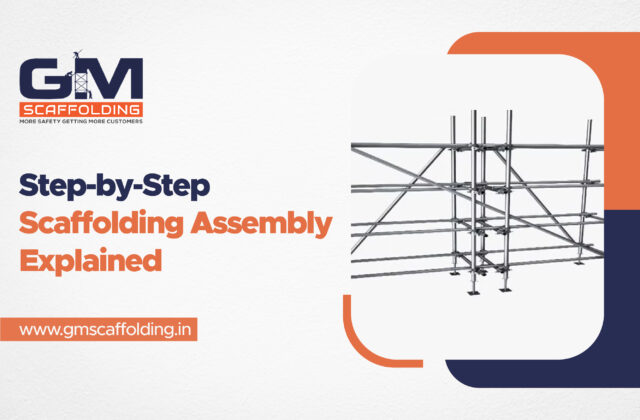
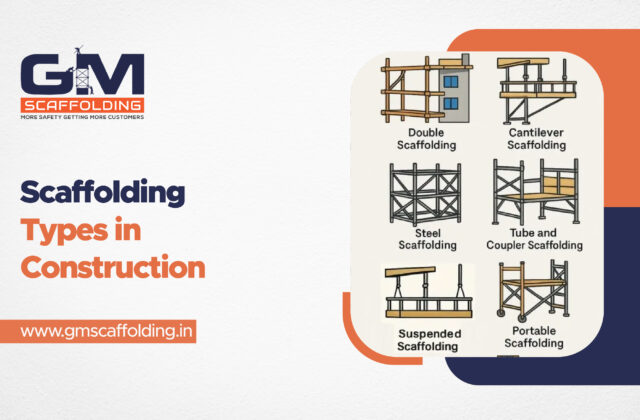
| System Scaffold (Cuplock/Ringlock) | Repetitive bays, slab edges, supported scaffolding for skyscrapers | Fast assembly, high capacity, predictable tie patterns | Needs trained crew, strict change control |
| Tube And Coupler | Irregular facades, retrofits, tight corners | Flexible geometry, easy local adjustments | Slower erection, many components, more inspection points |
| Suspended Scaffold (Cradle) | Facade painting, glazing, cleaning, minimal ground footprint | Quick vertical travel, less site congestion | Rigging critical, rescue plan, lifelines mandatory |
| Cantilever Scaffold | Over obstructions, podium setbacks, narrow streets | Keeps ground clear, reaches offsets | Requires engineering, secure anchors, limited loading |
| Stair Tower Module | Safe access for multi-story buildings, heavy worker traffic | Reduces ladder risk, speeds movement | Needs landing space, keep routes segregated |
| Mast Climber Or MEWP | Large facade panels, heavy materials, fast cycles | Higher productivity, less dismantling | Higher hire cost, specialist operator |
Action step: shortlist two systems for your tower, a supported scaffold for structure and a suspended option for facade, then write clear swap-over triggers (for example, after glazing reaches level X). Add wind and monsoon shutdown criteria, and lock inspection responsibilities. This keeps construction site access solutions consistent across trades.
Construction Site Access Solutions For Tall Buildings
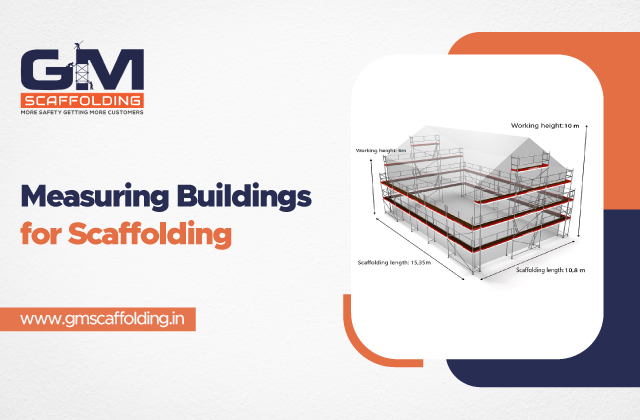
Even the best scaffold plan fails if people and materials cannot reach it. In high rises, access is a productivity lever: stair towers reduce fatigue, loading bays keep components organised, and hoists stop crews from carrying parts up ladders. Combine scaffolds with smart construction site access solutions so your critical path is not waiting time. Accurate measuring buildings for scaffolding at the planning stage also ensures access points align with structural elevations, façade setbacks, and lift zones.
- Stair towers with self-closing gates near active work zones.
- Dedicated loading bays rated for materials, with toe boards.
- Material hoists or crane pick points aligned to erection sequence.
- Segregated pedestrian routes and exclusion zones under platforms.
Action step: run a 15-minute access walk with your scaffold vendor, lifting supervisor, and HSE lead. Mark where components land, where trades queue, and where a fall of objects would hit public areas. Then add those controls to your method statement and hire package, not as site rules that get forgotten.
Scaffolding Safety In High-Rise Construction: Non-Negotiables
Safe scaffolding for multi-story buildings is built on repeatable controls, not heroics. Indian guidance like BIS IS 3696 (Part 1) emphasises competent supervision, sound materials, and safe platforms. Add high-rise realities like wind, dropped objects, and frequent modifications, and you need a tight inspection and change-control routine that every subcontractor respects.
“Accidents from scaffolds are generally caused either by collapse or falling materials.”
Source: BIS IS 3696-1 (Part 1) PDF. (Law Resource)
| Risk Area | What To Check | Owner | Frequency |
| Foundations | Base plates level, sole boards, no settlement | Site engineer | Daily |
| Stability | Ties, bracing, no removed members | Scaffold supervisor | Each shift |
| Edge protection | Guardrails, midrails, toe boards, gates | HSE + foreman | Each shift |
| Falling objects | Debris netting, tool lanyards, exclusion zones | HSE | Daily |
| Suspension gear | Ropes, anchors, lifelines, rescue plan | Competent rigger | Before use |
| Weather | Wind limits, monsoon plan, lightning stop-work | PM + HSE | Daily forecast |
- Keep scaffold erection and dismantling under competent supervision. (Law Resource)
- Never use barrels, boxes, or loose blocks as platform supports. (Law Resource)
- Use safety nets and exclusion zones where public exposure exists. (Law Resource)
Action step: put scaffolding safety in high-rise construction on the same footing as concrete quality. Require a signed handover, a visible tag at every access point, and a rule that only the scaffold team can alter components. If you are renting, confirm who inspects, who records, and who supplies replacement parts within 24 hours.
FAQs
1. How do I choose between supported and suspended scaffolding on a high-rise?
Start with the work type. Use supported scaffolding for heavy, repetitive tasks like blockwork, plastering, and material staging. Use suspended cradles for facade finishing when the ground footprint is tight. For most towers, a hybrid plan works best, with clear handover and inspection rules.
2. What should I share before asking for a scaffolding rental quote?
Share elevation drawings, floor-to-floor heights, facade materials, and your expected floor cycle. Add loading needs (people plus materials), crane and hoist locations, and site constraints like basements or podium setbacks. The clearer the scope, the more accurate the scaffolding rental quote and mobilisation plan.
3. How often should high-rise scaffolding be inspected on site?
At minimum, do a visual check before each shift and after any modification, impact, or high wind. Back this with documented inspections on a set frequency, often weekly, depending on risk. Use a visible tag system so crews know what is safe to use and what is locked out.
4. What changes during monsoon season for scaffolding safety?
Monsoon brings slip risk, lightning stop-work, and sudden wind loads. Prioritise anti-slip decking, covered access where possible, and strict housekeeping to avoid mud build-up. Define wind and lightning triggers for shutdown, and re-inspect ties, anchors, and platforms after every storm before restarting work.
5. Can I run scaffolding without blocking a tight construction site?
Yes, if you plan logistics into the scaffold layout. Use dedicated loading bays, set crane pick points, and keep stair towers separate from material routes. On tight plots, combine supported scaffolds with suspended cradles to free ground space. Document exclusion zones so public and plant traffic stay clear.
6. Do stair towers and loading bays really improve productivity?
They reduce waiting and fatigue. A stair tower gives predictable, guarded access, so crews stop climbing makeshift ladders. Loading bays let you stage tools and materials at height, which cuts lift trips and hand-carrying. Together, they smooth daily production and reduce the temptation to bypass safety controls.
7. What documents should I keep for scaffold handover and audits?
Keep the scaffold layout or standard configuration, handover certificate, load rating signage, and inspection register. Add training records for erectors and users, plus permits for suspended work and lifting. A photo log of ties, base plates, and access points helps during audits and makes incident investigations faster.
8. Is it better to buy scaffolding or rent for a long high-rise project?
Rental usually wins for high rises because inventory, transport, maintenance, and compliance stay with a specialist partner. Buying can make sense only if you run many similar towers each year and have trained crews and storage. For most contractors, renting a standardised system reduces capex and keeps flexibility.
Conclusion
High rises punish guesswork. When you treat scaffolding as a planned access system, pick the right mix of supported and suspended scaffolding, and lock inspections and change control, you get safer workfaces and faster floor cycles. Next step: build an access plan from elevations, then request a scoped rental quote that includes erection, handover, and inspections.
References
- https://www.bls.gov/opub/ted/2025/fatal-falls-in-the-construction-industry-in-2023.htm
- https://www.osha.gov/stop-falls
- https://www.ilo.org/resource/construction-hazardous-work
- https://law.resource.org/pub/in/bis/S03/is.3696.1.1987.pdf
- https://gmscaffolding.in/scaffolding-in-coimbatore.html
- https://blog.gmscaffolding.in/why-scaffolding-is-essential-in-construction-industry/