How to Set Up Mobile Scaffolding on Uneven Ground
Introduction:
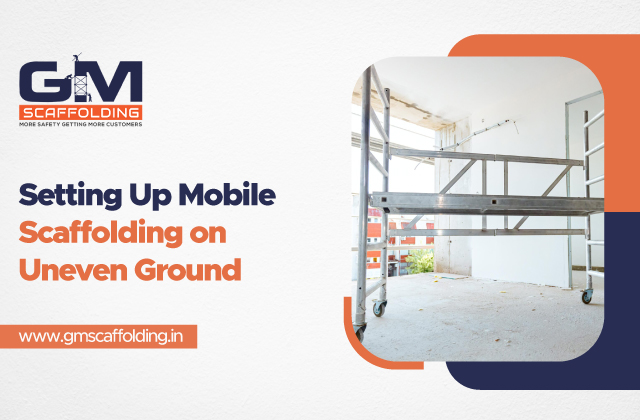
Mobile towers are designed to be light, quick to build, and easy to move. That’s great for productivity but it also means they’re more sensitive to the surface they stand on. A small lean at the bottom becomes a big lean at the top. If you’re not careful, a tower can become unstable or even overturn.
Knowing how to set up mobile scaffolding on uneven ground is about more than just getting it “roughly level.” It’s about making sure the base, tower, and working platforms are all strong, plumb, and stable enough to handle real-world loads like workers, tools, and wind.
Many construction teams also rely on scaffolding rental Coimbatore services to ensure they have stable, well-maintained mobile towers suited for challenging surfaces.
What Counts as “Uneven Ground” on Site?
On a live site, uneven ground shows up in lots of ways:
- Sloping surfaces like driveways or ramps
- Soft soil, mud, grass, or backfilled trenches
- Potholes, dips, and old inspection pits
- Broken concrete, loose pavers, or rubble
- Changes in level such as steps, kerbs, or small retaining walls
Any surface that isn’t firm, flat, and consistent should be treated as uneven and handled with care. Guidance from safety regulators and scaffold safety programs repeatedly stresses the importance of solid, level foundations before erecting any scaffold.
Step-by-Step: How to Set Up Mobile Scaffolding on Uneven Ground
Step 1: Inspect and Prepare the Ground
Clearing Debris, Checking Soil, and Looking for Hazards
Check for:
- Loose rubble, old bricks, timber offcuts
- Potholes, soft spots, or recent backfill
- Underground services covers, inspection chambers, or drains
- Nearby trenches, edges, or pits
- Oil, mud, or water that could cause slipping
Clear debris and loose material. If the ground is very soft, put down larger sole boards or consider a different location. Safety guidance often recommends compacted soil or a firm surface, with boards used to swpread the load on softer areas.
If the surface is sloped, note the direction and steepest gradient. A gentle slope may be manageable with adjustable legs; a steep ramp may require an alternative method (for example, different access equipment).
Step 2: Plan the Tower Position, Height, and Access
Overhead Services, Doorways, and Work Zones
Check and mark:
- Overhead power lines, cables, or building services
- Doorways or gates that must stay clear
- Vehicle routes and pedestrian walkways
- Exact areas of the building that need access
Make sure the tower:
- Is as close as allowed to the work face, but not touching live services
- Won’t block fire exits or emergency routes
- Can be moved easily along the façade if needed
Confirm the required working height so you can choose the right tower height and number of platforms.
Step 3: Lay Sole Boards and Base Plates on Uneven Surfaces
Spreading Loads and Avoiding “Packing” with Bricks
Lay sole boards so they:
- Sit fully on the ground, not hanging over edges
- Are long enough to spread the load under each pair of castors or base plates
- Provide a relatively flat “zone” across the uneven surface
Never level castors by stacking bricks, blocks, paint tins, or other scrap. Both regulators and manufacturers warn against using unstable objects to support or level scaffolds.
Place base plates or adjustable castors centrally on the boards. On very uneven ground, you might need to build a simple, stable timber arrangement as a mini-platform, but it must be solid, flat, and designed by someone competent not improvised.
Step 4: Assemble the Base Frames and Fit Castors or Adjustable Legs
Locking Wheels and Preventing Unwanted Movement
Follow the manufacturer’s build sequence:
- Fit castors or adjustable legs into the base frames.
- Place frames onto the prepared boards and plates.
- Lock all castor brakes so the tower cannot roll.
Some guidance also recommends “chocking” wheels during erection to be extra sure the tower won’t move. The rule is simple: the tower must not move while you’re building it.
Step 5: Plumb and Level the Tower Using Screw Jacks
Using Levels, Diagonal Measurements, and Max Jack Extension
Use screw jacks or adjustable legs to:
- Raise the low corners until the base frames are level front-to-back and side-to-side
- Check with a spirit level placed on the lowest rung or ledger
- Confirm that all four corners are bearing weight (no “floating” wheels)
Many safety programs and university EHS guides emphasise that screw jacks must not be extended beyond their marked safe limit—typically around 450 mm (about 18 inches) in some systems—and that they should be used instead of bricks or blocks to correct uneven ground.
Step 6: Install Bracing, Platforms, Guardrails, and Toe Boards
Once the base is sound, build upwards as per the manual:
- Fit horizontal and diagonal braces in the pattern shown by the manufacturer.
- Add platforms at the correct level for the work, making sure they are fully decked and locked.
- Install guardrails, mid-rails, and toe boards on all exposed sides.
- If the manual requires stabilisers or outriggers at a certain height, fit them now and ensure they bear firmly on the ground (with pads or boards if needed).
Step 7: Final Inspection, Tagging, and Safe Handover
Before anyone uses the tower:
- A competent person should inspect the whole structure: base, braces, platforms, guardrails, and stabilisers.
- Check for plumb, level, and firm support on all feet.
- Confirm access (ladders or built-in stairs) is installed and secure.
Many sites use a tagging system (green/amber/red cards) to show whether a tower is ready, has limitations, or is unsafe. Only after a positive inspection should the tower be signed off for use.
Conclusion:
Knowing How to Set Up Mobile Scaffolding on Uneven Ground turns a risky guess into a controlled, repeatable process. When you:
- Inspect and prepare the ground properly
- Use sole boards, base plates, and screw jacks instead of bricks and scraps
- Follow the manufacturer’s instructions and local regulations
- Add stabilisers where needed and respect height limits
- Move towers only over safe routes and only when empty
- Train your team and inspect towers regularly
Uneven ground is normal on construction sites. The difference between a safe tower and a dangerous one is planning, the right equipment, and the discipline to stick to a proven method every single time.
FAQ:
1. Can I use mobile scaffolding on a sloping driveway?
Yes, in some cases—but only if the slope is gentle, the system allows it, and you can level the base safely with screw jacks and boards without exceeding any limits in the manual. If the slope is steep, another access method may be safer.
2. What’s the safest way to deal with soft or muddy ground?
Prepare the area first. Use compacted fill or a temporary platform if needed, then lay wide sole boards to spread the load and base plates or adjustable legs on top. Never stand castors directly in deep mud or soft soil and never balance them on bricks.
3. How often should I re-check level and plumb on uneven ground?
At least at the start of each shift, after moving the tower, and after heavy rain, wind, or site changes near the base. Any time you’re unsure, stop and re-check with a level before work resumes.
4. Is it okay to move a mobile tower with a worker still on the platform?
No. Good practice and most regulations clearly say towers must not be moved with people or loose materials on the platform. Everyone must climb down, tools must be removed or secured, and then the tower can be moved.
5. How high can I go with mobile scaffolding on uneven ground?
You must follow the height limits in the tower’s instruction manual and local standards. Some standards set different limits for indoor vs outdoor use and depending on whether stabilisers are fitted. Never exceed these limits, and remember that poor ground reduces your safety margin even more.