Understanding Scaffolding Materials for Construction
Introduction
Understanding scaffolding materials is critical for conducting safe, efficient, and cost-effective construction work. Making the appropriate decision affects the long-term durability of temporary structures, worker safety, and project speed.
From small residential projects to large-scale industrial developments, scaffolding materials play a vital role in providing safe access at elevated work areas. Each material offers distinct advantages in terms of strength, weight, durability, and environmental suitability. Understanding these differences helps contractors and builders choose systems that align with project demands and regulatory standards.
What Are Scaffolding Materials?
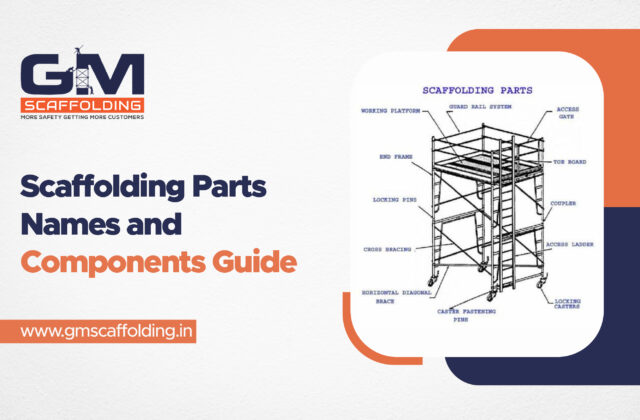
Scaffolding is a temporary structure used in construction to support workers and materials at a height. It is built with specified components such as standards, ledgers, braces, decks, and base plates composed of various materials.
Scaffolding materials often utilised nowadays include steel, aluminium, timber/bamboo, fibreglass, and composites.
Scaffolding Materials in Construction
1.Steel scaffolding
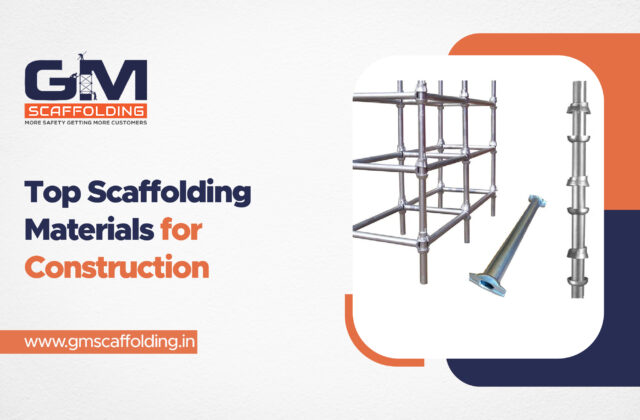
Steel scaffolding is commonly utilised on modern construction sites due to its great load-bearing capability and robustness. It is appropriate for high-rise structures, bridges, and heavy-duty industrial tasks where safety and stability are crucial.
Key features:
- Robust and resilient in adverse weather
- Suitable for frequent use and fire resistance
- Simple to connect and standardise with frames and couplers
These characteristics highlight the advantages of using MS scaffolding in demanding construction environments.
2.Metal scaffolding (Aluminum and Other Alloys)
Aluminium is a common metal used in scaffolding, where assembly speed and weight are important considerations. As it is significantly lighter than steel, erection, relocation, and dismantling take less labour time.
Benefits:
- Lightweight and portable
- Resistant to corrosion and perfect for humid conditions
- A good option for light construction, interior work, and maintenance
Other Common Scaffolding Materials
Wood and bamboo were the original scaffolding materials before steel and aluminium took over. Timber is still frequently used today for working platforms and scaffold boards because it is simple to cut, repair, and replace.
Fibreglass and composite materials are commonly utilised in non-conductive and corrosion-resistant environments, such as the electrical and chemical industries. These alternatives provide certain safety benefits and are lighter than many metals.
Scaffolding Material Name List
A realistic scaffolding material name list often comprises the following:
- Steel pipes and tubes
- Aluminium frames and tubes
- Bamboo or wood poles
- Planks and scaffolding
- Jacks and base plates
- Fittings, couplers, and clamps
- Toe boards and guardrails
- When necessary, fibreglass tubes or composite components
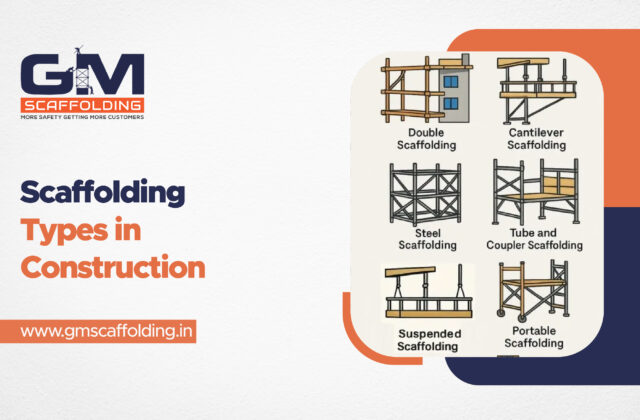
Scaffolding materials can be categorised by system type, such as ringlock, cuplock, kwikstage, and tube-and-clamp systems, each of which uses a particular set of standardised components. This classification is often used when explaining the differences between cuplock and ringlock scaffolding.
Choosing the Right Scaffolding Materials
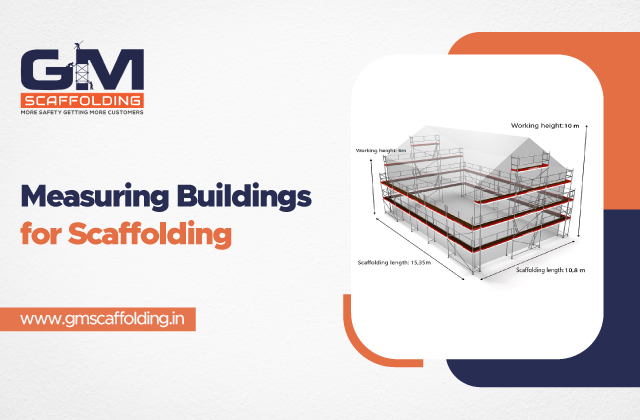
The appropriate materials for a project are determined by its height, load, environment, and budget. For example, aluminium towers may be used for small maintenance tasks, whereas steel scaffolding is typically used for massive facades and significant structural work.
Important elements:
- Safety margin and load capacity
- Resistance to chemicals, fire, and corrosion
- Easy maintenance, inspection, and assembly
- Availability of appropriate parts and fixtures
Scaffold material selection is influenced by local rules and safety standards, which may include minimum strength, testing, and inspection requirements.
Related: https://blog.gmscaffolding.in/how-scaffolding-speeds-up-projects/
Practical Tips for Contractors and Small Builders
Choosing the correct scaffolding materials leads to fewer accidents, faster work cycles, and reduced long-term replacement costs. For small contractors, renting standardised systems can frequently be less expensive than purchasing and maintaining their own inventory.
If you occasionally work on residential or commercial projects, looking into solutions like scaffolding rental in Coimbatore might provide you with access to high-quality equipment without requiring a significant upfront investment.
Related: https://blog.gmscaffolding.in/how-to-choose-right-scaffolding-rental-supplier/
Types of Scaffolding Material and Their Uses
In simple terms, the main Types of scaffolding material and where they fit are:
- Steel: High‑rise, bridges, industrial plants, heavy loads
- Aluminium: Interior works, quick maintenance, lighter loads
- Timber/Bamboo: Traditional work, temporary bracing, boards
- Fiberglass/Composites: Electrical, chemical, or sensitive environments
Engineers and project managers can create safer access solutions and keep costs under control by knowing how each works under actual site conditions.
Final Thoughts
A complete grasp of scaffolding materials enables construction teams to make better judgements about safety, performance, and budget. Businesses can ensure dependable access at heights while complying with legal requirements by matching steel scaffolding, aluminium systems, timber boards, or advanced composites to a project’s specific requirements.
Ultimately, intelligent selection of scaffolding materials not only saves lives but also improves efficiency, lowers long-term costs, and promotes sustainable construction practices through reusable, recyclable components. To build with confidence, prioritise load testing, safety certificates, and expert advice.
FAQ
1.What are the most commonly used scaffolding materials in construction?
Steel, aluminium, timber, bamboo, and fiberglass are the most widely used materials.
2.What are the different types of scaffolding material used for safe construction?
Steel and aluminium for strong structural frameworks, wood and bamboo for light work and temporary buildings, and fibreglass for electrical or chemical situations requiring insulation.
3.Can you provide a scaffolding material name list used in modern construction projects?
Steel tubes, aluminium frames, fibreglass planks, couplers, foundation plates, ledgers, guard rails, timber boards, bamboo poles, and galvanised pipes.
4.What factors should be considered when choosing scaffolding materials for a building project?
Load capacity, height requirements, durability, weather exposure, corrosion resistance, site safety regulations, worker skill level, cost, and ease of installation.
5.Which scaffolding materials are best suited for long-term and heavy-load construction work?
Galvanised steel and high-quality aluminium systems are ideal. They provide greater stability for frequent or prolonged usage, can withstand large loads, and are resistant to corrosion.