Why Rental Scaffolding Systems Are Great for Building Projects
Introduction : Why Renting Beats Owning for Many Crews
Construction projects rarely stay “perfectly predictable.” One week you need a simple façade run; the next week you need a stair tower, a loading bay, and extra guardrails because the scope changed. That’s exactly where rental scaffolding shines: it lets you match the access system to the job you have right now, instead of forcing every project to fit the limited stock you own.
This matters for two big reasons:
- Money: Buying scaffolding can lock up cash and create ongoing storage and repair expenses. Renting often turns access equipment into a clear, project-based cost—easier to budget and easier to price into your bid. Many rental providers also highlight that renting can reduce storage, transport, and repair burdens compared to owning.
- Safety: Scaffolds must be erected, used, and inspected correctly. For example, OSHA requires inspection by a competent person before each work shift and after events that could affect scaffold integrity. That kind of discipline is easier to maintain when you’re using a modern, well-matched system with the right accessories from the start.
Short-Term Needs, Long-Term Savings
Renting is especially useful when you:
- Run seasonal projects (busy months vs. slow months)
- Handle varied job types (residential, commercial, maintenance)
- Need specialty add-ons only sometimes (stairs, bridging, netting, debris chutes)
Why Rental Scaffolding Systems Are Great for Building Projects: The Core Benefits
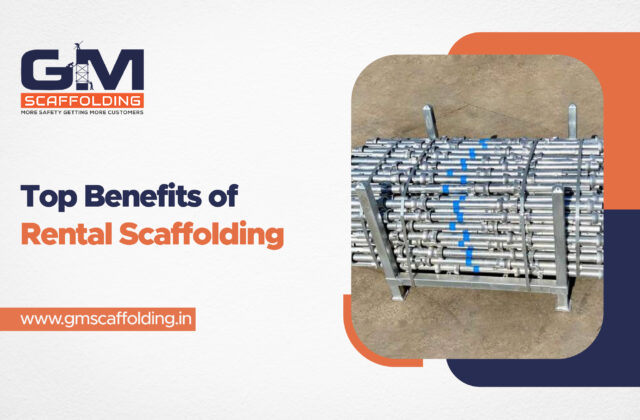
Here’s the plain truth: Why Rental Scaffolding Systems Are Great for Building Projects comes down to getting safer access with less waste, less wasted money, less wasted time, and less wasted effort. For many construction teams, using scaffolding rental in coimbatore ensures access to reliable, well-maintained equipment without the upfront costs of purchasing, making projects more efficient and cost-effective.
1) Lower Upfront Cost and Better Cash Flow
Buying scaffolding can be a big capital hit. Renting usually means:
- You pay for what you use, when you use it
- You don’t carry idle inventory between jobs
- You can protect cash for labor, materials, and equipment that directly earns money
Rental companies commonly position renting as a way to eliminate high upfront costs and avoid ongoing maintenance/storage costs. Knowing how to calculate your scaffolding rental budget before starting a project helps ensure you only pay for what you need and can plan cash flow efficiently.
2) Fast Access to the Right System for the Job
Different projects need different access solutions:
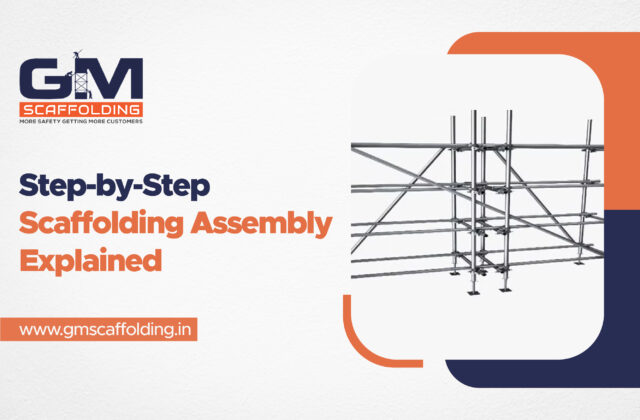
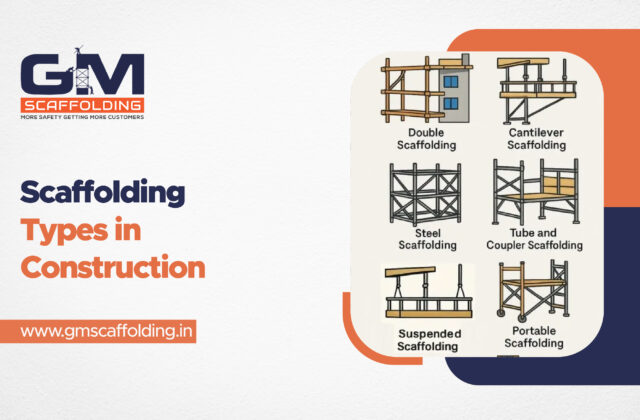
- Frame scaffolding for straight runs and quick builds
- System/modular scaffolding for complex geometry and flexible layouts
- Mobile towers for short-duration interior work
- Stair towers for safer movement of crews and tools
Renting makes it easier to get the “right fit” instead of improvising with whatever happens to be in the yard.
3) Maintenance and Inspection Burden Shifts Away
Owning scaffolding isn’t just owning metal tubes. It’s also:
- Routine inspections
- Repairs for bent frames, worn pins, damaged decking
- Replacement parts and missing components
- Storage space and transport logistics
With rentals, a lot of that burden is reduced or shifted. You still must inspect and use equipment correctly on site, but you’re less likely to be stuck with aging, mismatched, or poorly maintained stock.
What “Site-Ready” Equipment Should Mean
When rental gear shows up, it should be:
- Complete (pins, braces, base plates, guardrails, toe boards)
- Compatible within the system (no forced fit)
- Supported by documentation or guidance for safe configuration
Also note: OSHA warns that scaffold components from different manufacturers shouldn’t be mixed unless they fit without force and structural integrity is maintained (and modifications need competent-person approval). Renting from a provider that standardizes systems can help avoid “mix-and-match” headaches.
Safety and Compliance Advantages You Can’t Ignore
Renting doesn’t automatically make scaffolding safe—but it can make safety easier to achieve because you can get proper components, correct access, and the right stabilization gear for the height and load.
Competent-Person Oversight and Daily Checks
Under OSHA rules, scaffolds and components must be inspected for visible defects by a competent person before each work shift and after incidents that could affect integrity
That means renting is not “set it and forget it.” It’s “set it up right, then keep it right.”
Tie-Ins, Stability, and the 4:1 Tipping Risk
One of the clearest stability rules in OSHA’s scaffold standard is this: supported scaffolds with a height-to-base width ratio greater than 4:1 must be restrained from tipping using guying, tying, bracing, or equivalent means.
Rentals help here because you can order the correct tie hardware, outriggers, or bracing packages instead of “making do.”
Safe Access: Ladders, Frames, and “No Cross-Brace Climbing”
Access is where bad habits pop up fast. OSHA states cross braces on tubular welded frame scaffolds shall not be used as access/egress.
Renting can help because you can include stair units, ladder bays, gates, and platforms designed for safe movement—not risky climbing.
How to Choose a Rental Provider Like a Pro
Use a simple checklist mindset: quality, safety support, and reliability.
Quality Control Questions to Ask
Ask your provider:
- Do you supply complete packages (base plates, guardrails, toe boards, access)?
- Do you have documentation for the system and load class?
- What’s your inspection/maintenance process before delivery?
- Can you support tie-in layouts and bracing needs?
Service Options: Erection, Dismantling, Training
Some providers offer turnkey help: delivery, design support, erection, dismantling, and training. The OSHA scaffold guide emphasizes that workers erecting/dismantling should be trained on topics like erection/dismantling planning, fall protection, access, and foundations.
If your crew is stretched thin, rental services plus qualified erection support can be a strong risk reducer.
Read More: https://blog.gmscaffolding.in/how-to-choose-right-scaffolding-rental-supplier/
Conclusion: Rent Smart, Build Safe, Finish Strong
Rental scaffolding systems can be a huge win for building projects because they reduce upfront cost, improve flexibility, and help crews get the right equipment for the job’s real demands. When combined with competent supervision, correct tie-ins, safe access, and daily inspections, rentals can support both productivity and safety on modern job sites.
To maximize these benefits, rely on a trusted provider like GM Scaffolding, order the full safety package, and treat scaffold planning like a core part of the build, not an add-on.
FAQ
1) Is renting scaffolding actually cheaper than buying?
Often, yes especially for short-term or variable work. Renting can reduce upfront cost and many ongoing ownership costs like storage, repairs, and transport.
2) Who is responsible for scaffold safety when it’s rented?
The site still has responsibility for safe use. OSHA requires competent-person inspection before each shift and competent-person supervision for erection/alteration/dismantling
3) Do rental systems come with guardrails and safe access?
They can—if you order them. Always request full safety accessories (guardrails, toe boards, gates, stairs/ladders) as part of the package.
4) What is the “4:1 rule” and why does it matter?
OSHA states supported scaffolds with a height-to-base width ratio greater than 4:1 must be restrained from tipping (tie, guy, brace, etc.).
5) Can workers climb scaffold cross braces?
OSHA says cross braces on tubular welded frame scaffolds shall not be used as access/egress. Use proper ladders, stair towers, or approved frames designed for climbing.