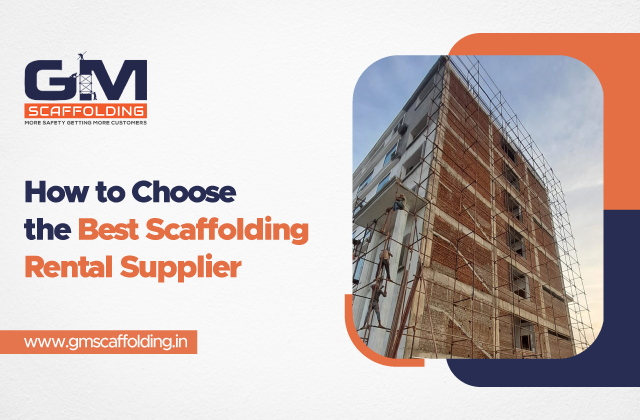
How to Choose the Right Scaffolding Rental Supplier
Introduction
When you need temporary access at height, your decision to Choose the Right Scaffolding Rental Supplier can directly affect safety, cost, and project timelines. Scaffolding isn’t just metal tubes and planks; it’s a safety-critical system that protects workers, equipment, and even the public around your site.
A good supplier does more than deliver materials. They help you plan, design, install, inspect, and dismantle the scaffold in a safe and efficient way. A poor supplier can cause delays, accidents, failed inspections, and unexpected costs.
What Is Scaffolding Rental?
Scaffolding rental is the short- or long-term hire of temporary structures used to support workers and materials while building, repairing, or maintaining structures. It’s common in:
- New building construction
- Renovation and restoration projects
- Industrial plant maintenance
- Infrastructure works like bridges and highways
- Residential repairs such as roofing and painting
Instead of buying scaffold systems, many contractors and owners prefer renting. It’s flexible, reduces storage needs, and lets you access different scaffold types as your projects change.
Who Needs a Reliable Scaffolding Partner?
A reliable scaffolding rental supplier matters for:
- General contractors who manage multiple trades and need safe access solutions.
- Specialty contractors like painters, cladders, and roofers who work at height daily.
- Industrial facility owners/managers performing shutdowns, turnarounds, or maintenance.
- Property managers and homeowners planning one-off projects such as façade repairs.
In every case, the right partner helps you work safely, stay compliant, and protect your schedule and budget.
Types of Scaffolding and Matching Them to Your Project
Not all scaffolds are the same. The type of system your project needs will shape which supplier is best for you.
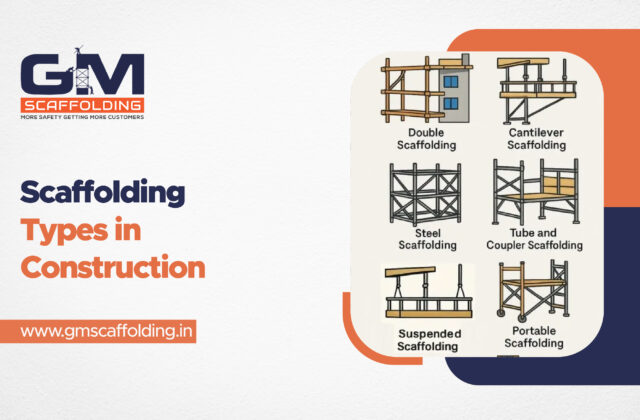
Main Scaffolding Systems You’ll Encounter – Common scaffolding systems include:
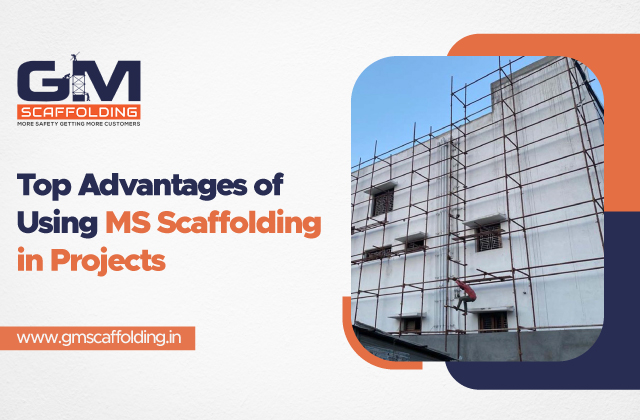
- Frame scaffolding – Often used in building construction; easy to assemble, good for straight façades.
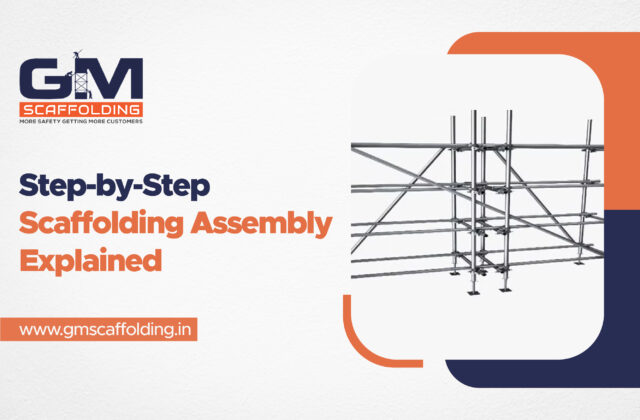
- Modular/system scaffolding – Uses standards and ledgers that connect via rosettes or similar nodes; very flexible for complex structures, industrial plants, and irregular shapes.
- Suspended scaffolds – Platforms hung from roofs or structures, often used for façade maintenance and high-rise cleaning.
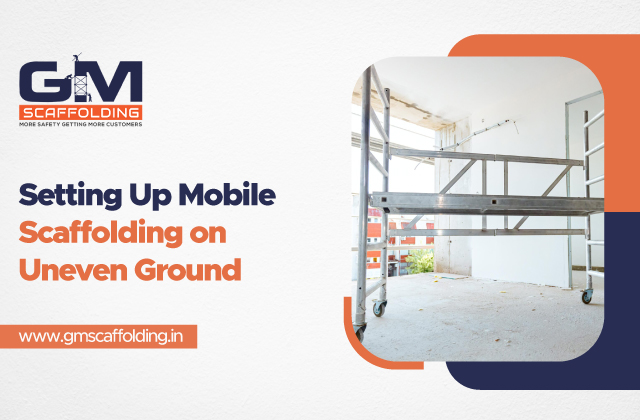
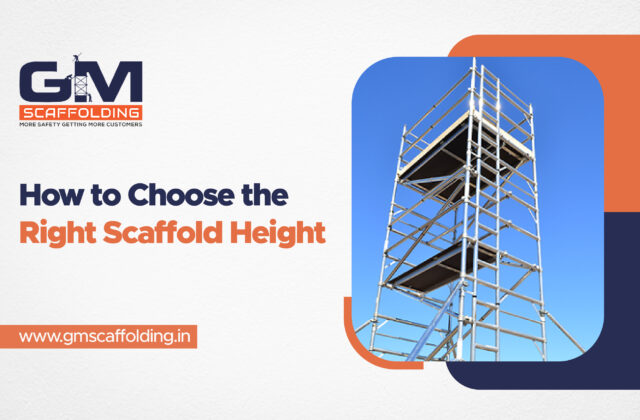
- Mobile/rolling towers – Lightweight towers on wheels used for indoor work, fit-outs, and maintenance.
A quality supplier will clearly explain which system suits your project and why.
How Project Scope Influences Your Supplier Choice
When you’re shortlisting suppliers, consider how well they handle projects similar to yours in:
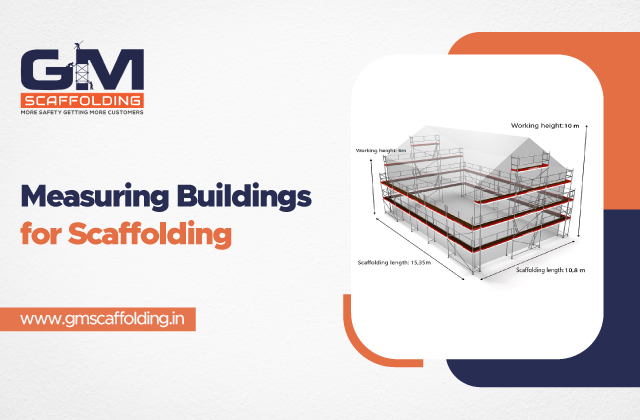
- Height and complexity – Very tall or complex structures require advanced design and experienced crews.
- Load requirements – Heavy trades like masonry or mechanical work demand higher load ratings and stronger systems.
- Project duration – Long projects need robust maintenance, periodic inspections, and flexible rental terms.
- Environment – Industrial, marine, confined spaces, live plants, or busy streets introduce extra risk and complexity.
- Suppliers with strong experience in similar scopes are more likely to deliver safe and economical solutions.
How to Choose the Right Scaffolding Rental Supplier with Confidence
Now let’s bring everything together into a practical decision process so you can truly Choose the Right Scaffolding Rental Supplier with confidence.
Practical Selection Checklist
Use this simple checklist to compare suppliers:
- Has proven experience with similar project types and environments.
- Demonstrates strong safety record, policies, and training.
- Provides clear, detailed, and comparable quotes.
- Explains rental period, extra charges, and variation process.
- Offers design input, site surveys, and technical support.
- Shows valid insurance certificates and relevant certifications.
- Communicates clearly and responds quickly to questions.
- Can meet your project schedule and access constraints.
Questions to Ask Before You Sign
Before awarding the contract, ask:
- Can you show recent projects similar to ours?
- Who will be our main point of contact, and how do we reach them?
- How do you manage safety during erection and dismantling?
- What’s included in your quote, and what could cost extra?
- How do you handle design changes or site surprises?
- What is your typical response time for modifications or issues?
Compare the answers from each supplier and notice not just what they say, but how honestly and clearly they say it.
Conclusion
Choosing a scaffolding partner is much more than picking a number on a quote sheet. When you carefully review safety practices, experience, technical skills, pricing structures, contract terms, and support services, you’re far more likely to Choose the Right Scaffolding Rental
Supplier and keep your people safe, your project compliant, and your schedule under control.
With this structured approach, you’re not guessing. You’re making a confident, informed choice that protects your team, your project, and your reputation.
Frequently Asked Questions
1. When should I involve a scaffolding rental supplier in my project planning?
As early as possible. Involving the supplier during the planning stage allows them to advise on access strategies, design options, and logistics. This can save you time, reduce rework, and prevent clashes with other trades.
2. Do I always need a formal scaffold design and calculations?
Not always, but you do whenever local regulations or project risk demand it. Complex, high, heavily loaded, or unusual scaffolds typically require a formal design. When in doubt, ask your supplier and, if needed, a qualified engineer.
3. Who is responsible for scaffold inspections during the project?
Usually, the user (or main contractor) must ensure regular inspections are carried out by a competent person, especially after changes or severe weather. Some suppliers can provide inspection services as an extra; clarify this in the contract.
4. What information should I give a supplier to get an accurate quote?
Share drawings or sketches, photos, heights, approximate lengths, project duration, trade loads, site access constraints, and any special requirements (e.g., public protection, hoists, or netting). The more information you provide, the more accurate the quote.
5. Can I move or change scaffolding myself to save money?
No. Only trained and authorized personnel should modify scaffolding. Uncontrolled changes can make the structure unsafe and may break the law or void insurance. Always call your supplier for changes.
6. How many quotes should I get before choosing a supplier?
At least two or three. This gives you a sense of market pricing and lets you compare approaches. But don’t choose by price alone compare safety, experience, support, and clarity of communication as well.