How to Calculate Your Scaffolding Rental Budget Accurately
Introduction
If you’re planning construction, renovation, painting, or façade repairs, there’s a good chance you’ll need scaffolding. Many owners and project managers jump straight to asking, “How much will it cost?” without first understanding what’s behind that number. Learning how to calculate your scaffolding rental budget accurately helps you control costs, avoid disputes, and keep your project running smoothly.
Scaffolding rental is a service where a specialist company provides temporary structures so workers can access high or hard-to-reach areas safely. This usually includes:
Common Situations Where Scaffolding Is Needed
You might need scaffolding for:
- House painting and exterior repairs
- Roofing and gutter work
- Window replacement on multi-story buildings
- Brickwork and masonry repointing
- Commercial façade upgrades
- Industrial plant maintenance
Each situation has different access, safety, and loading requirements, which is why no two scaffolding rental budgets look exactly the same.
Why Accurate Budgeting Saves Time and Money
A rough guess might feel faster, but it often leads to:
- Unexpected invoices when projects run longer than planned
- Work stoppages if scaffolding must be modified or extended
- Safety risks if you try to “do more with less” equipment
- Disputes with contractors about who pays for extra time or changes
That’s why learning how to calculate your scaffolding rental budget accurately is so valuable. You’ll get clearer quotes, better decisions, and fewer surprises.
Key Cost Components in a Scaffolding Rental Budget
To create a realistic budget, you need to understand what actually drives the cost when considering scaffolding rental in Coimbatore.
Rental Rates: Daily, Weekly, and Monthly Pricing
Scaffolding companies usually price equipment based on:
- Minimum hire period (often 1–4 weeks)
- Weekly or monthly rates for the structure in place
- Extensions if the scaffolding stays longer than planned
- Larger projects with longer durations may get better per-week rates, but the total cost still depends on how long you keep it on site.
Step-by-Step: How to Calculate Your Scaffolding Rental Budget Accurately
Now let’s walk through a simple, structured way to build your budget.
Step 1: Define the Scope and Duration of Your Project
Before you ask for quotes, be clear about:
- What work will be done (painting, roofing, brick repair, etc.)
- Which elevations or areas need access
- How many trades will use the scaffold and when
Any special requirements (hoisting materials, heavy loads, public protection)
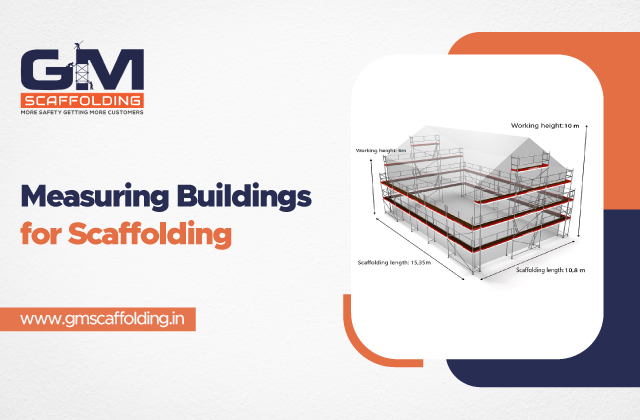
Step 2: Measure Height, Width, and Working Area
Scaffolding is designed around the physical dimensions of your building or structure:
- Height: How many stories or meters/feet high?
- Width/length: How many meters/feet of façade?
- Depth: How many working platforms are needed?
Step 3: Choose the Right Type of Scaffolding System
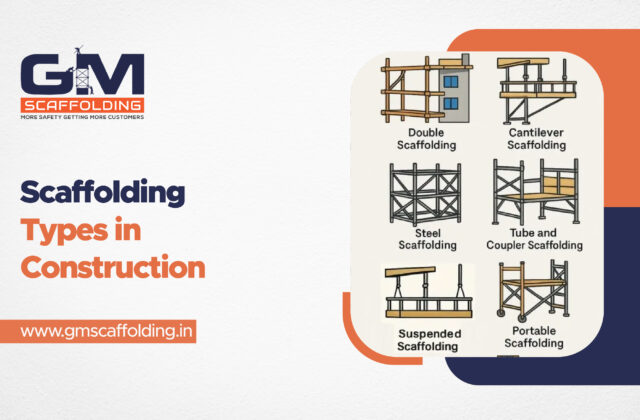
Not all scaffolds are the same. Common types include:
Frame, System, Mobile, and Suspended Scaffolds
- Frame scaffolding: Popular for straightforward building façades and residential work.
- System/modular scaffolding: Good for complex geometries or industrial plants.
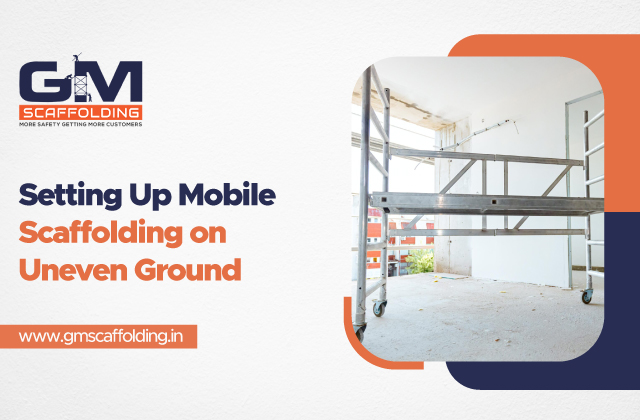
- Mobile tower scaffolds: Ideal for small jobs and easy relocation.
- Suspended scaffolds (swing stages): Used when supporting from above is easier than from the ground.
Your choice affects hiring rates, erection time, and sometimes permit requirements.
Step 4: Request Detailed Quotes from Multiple Suppliers
For accurate budgeting, get at least two or three quotes with:
- Separate lines for hire period, erection/dismantling, and transport
- Clear assumptions about project duration and dimensions
- Any extra charges (changes, extensions, after-hours work)
Step 5: Include Hidden and Variable Costs
Here’s where many budgets go wrong. You must think about:
- Weather delays (rain, storms, extreme heat or cold)Access issues (shared driveways, busy streets, neighbouring properties)
- Design changes (extra bays added, additional lifts/platforms)
- Multiple trades needing scaffold at different times
Weather Delays, Overtime, and Change Orders
If bad weather or extra work keeps the scaffold in place longer, you’ll pay for it. Plan a realistic schedule and include a line in your budget for possible extensions.
Step 6: Build a Contingency into Your Budget
Finally, add a contingency—often 10–15% of your total scaffolding cost—to cover the unexp ected. This simple step can be the difference between staying calm and scrambling for funds.
By following these steps, you now understand how to calculate your scaffolding rental budget accurately, instead of guessing.
Working With Professional Scaffolding Companies
Choosing the right partner is half the battle.
Questions to Ask Before You Sign a Contract
- Are you fully licensed and insured?
- Can I see your safety record and certifications?
- How do you handle design for complex structures?
- What’s your process if the project runs longer than planned?
- How quickly can you respond if we need adjustments?
Clear answers show professionalism and help you refine your budget.
Why Experience and Safety Records Matter
An experienced company might not be the cheapest on paper, but they often:
- Design more efficient scaffolding layouts
- Work faster and more safely during erection and dismantling
- Give more accurate time and cost estimates
That, in turn, helps you calculate your scaffolding rental budget more accurately and stick to it.
Conclusion
How to Calculate Your Scaffolding Rental Budget Accurately and Stay in Control Learning how to calculate your scaffolding rental budget accurately isn’t just about crunching numbers. It’s about understanding:
- What you’re paying for
- How your project scope and duration affect costs
- Why planning, safety, and good communication with suppliers matter
By breaking your budget into clear components, hire period, erection and dismantling, transport, permits, safety, and contingency you stay in control from start to finish. Instead of being surprised by invoices, you’ll know exactly why each cost is there and how to manage it.
Take your time, gather detailed quotes, ask questions, and plan for the unexpected. With that approach, your scaffolding won’t just support your project physically it will support your schedule and your budget too.
Frequently Asked Questions About Scaffolding Rental Budgets
1. How early should I start planning my scaffolding rental budget?
Ideally, start as soon as your project scope and rough schedule are defined. Early planning helps you get multiple quotes, book your preferred supplier, and ensure permit approvals are in place.
2. Can I change my scaffolding design once it’s installed?
Yes, but changes usually cost extra. If you add more bays, lifts, or access points, the company will likely charge for extra labour, materials, and possibly extra hire time. Try to finalize your needs before installation.
3. Is it cheaper to buy scaffolding instead of renting?
Buying might make sense for contractors who use scaffolding constantly, but most homeowners and small businesses are better off renting. Ownership comes with storage, maintenance, inspection, and liability responsibilities.
4. What’s the best way to avoid surprise costs?
Be detailed and honest when requesting quotes, ask what’s included and excluded, and always read the terms regarding extensions, changes, and extra visits. Then add a contingency (10–15%) in your budget.
5. How does weather affect my scaffolding rental budget?
Bad weather can delay work, which means the scaffolding stays up longer. Some contracts allow limited “weather days,” while others treat all extra days as payable. Discuss this upfront and plan some buffer in your schedule.