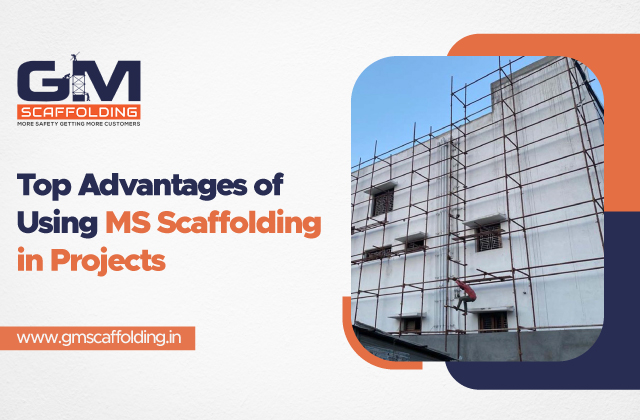
Top Advantages of Using MS Scaffolding in Construction
Introduction
Scaffolding is one of the most important temporary structures on any construction site. It gives workers safe access to heights, supports materials, and keeps projects moving efficiently. Among the different types available, MS scaffolding, short for Mild Steel scaffolding—has become a trusted choice for contractors, builders, and rental companies.
MS scaffolding combines strength, durability, and versatility in a way that works well for everything from small house renovations to large commercial towers. To really understand the top advantages of using MS scaffolding in construction, it helps to first know what it’s made of and how it’s put together.
What Is MS Scaffolding?
MS scaffolding is a system of tubes, frames, and fittings made primarily from mild steel. Mild steel is a low-carbon steel that is:
- Strong and tough
- Relatively easy to weld, bend, and fabricate
- Cost-effective compared to many high-grade alloys
Because of these properties, mild steel is widely used for:
- Scaffolding standards (verticals)
- Ledgers and transoms (horizontals)
- Braces and guardrails
- Adjustable base jacks and U-head jacks
The result is a robust access system that can safely support people, tools, and construction materials. MS scaffolding is also a preferred choice in many construction projects, including scaffolding rental in coimbatore, due to its durability and affordability.
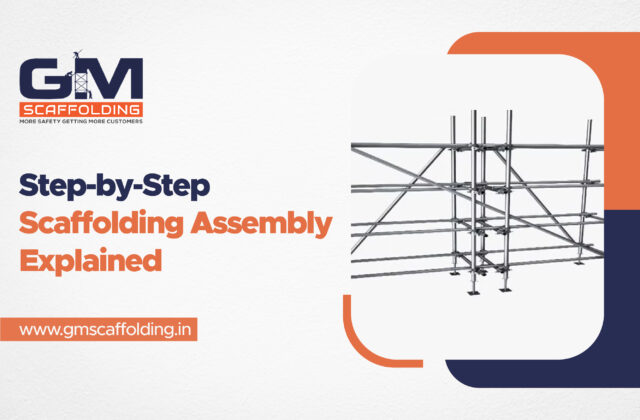
Basic Components and Configuration of MS Scaffolding
Typical MS scaffolding may include:
- Standards: Vertical tubes that transfer loads to the ground
- Ledgers: Horizontal members connecting the standards
- Transoms: Cross members that support boards or platforms
- Diagonal braces: Provide rigidity and prevent sway
- Base plates/jacks: Distribute the load and allow level adjustment
- Couplers and clamps: Connect tubes at various angles
- Decks/planks: Working platforms for labour and materials
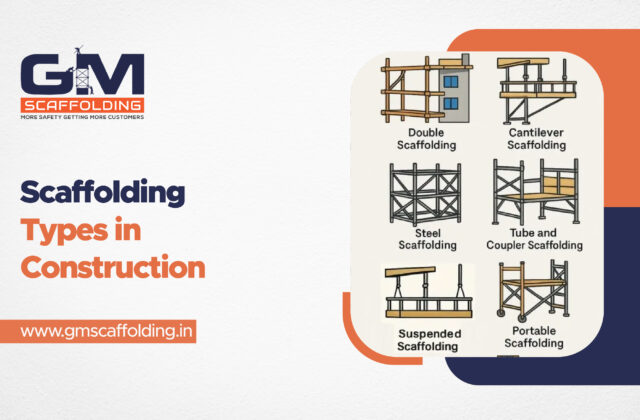
These components can be assembled in different ways—traditional tube-and-coupler systems, H-frame systems, or modular systems—depending on the project’s needs.
Where MS Scaffolding Stands Out
MS scaffolding is especially valued for:
- Heavy-duty works like slab support and shoring
- Multi-level access on large projects
- Areas where fire safety is a concern
- Long-term use where reuse and durability are critical
This is why so many contractors and rental companies continue to rely on mild steel systems.
Structural Strength and Load-Bearing Benefits of MS Scaffolding
High Load Capacity for Heavy-Duty Work
Because mild steel is strong and ductile, MS scaffolding can:
- Carry high vertical loads from slabs, beams, and formwork
- Support multiple workers, tools, and materials at once
- Resist bending and buckling under realistic work conditions
Contractors can design working platforms and shoring systems that feel solid underfoot, giving workers confidence to move around and work efficiently.
Performance on Multi-Storey and Complex Projects
On multi-storey jobs, the scaffolding often runs up the entire height of the building. MS scaffolding:
- Handles tall structures with good stability
- Works well with ties, anchors, and braces
- Can be engineered for complex layouts, including internal atriums, façade projections, and stair cores
With proper design and tie patterns, MS scaffolding provides a stable “skeleton” around the building, supporting both access and safety.
Durability and Long-Term Value of MS Scaffolding
Resistance to Deformation, Damage, and Corrosion
When manufactured correctly and maintained properly, mild steel components:
- Resist dents and permanent bending under normal use
- Keep their shape through many cycles of loading and unloading
- Can be galvanized or painted to improve corrosion resistance
While steel can rust if exposed to harsh weather without protection, simple practices like proper storage, painting, and avoiding standing water can extend the life of the system significantly.
Life-Cycle Cost and Return on Investment
From an owner’s or rental company’s perspective, MS scaffolding:
- Has a higher initial strength-per-cost ratio than many alternatives
- Can be reused across hundreds of projects
- Retains residual value as scrap metal at the end of its life
This means the real cost per use gets lower every year. Even for contractors who rent, MS systems are widely available, which leads to competitive rates and good availability.
Flexibility and Versatility Across Different Project Types
Use in Residential, Commercial, and Industrial Projects
MS scaffolding is suitable for:
- Residential: House painting, exterior repairs, roofing, extensions
- Commercial: Shopping centres, office buildings, schools, hospitals
- Industrial: Plants, refineries, power stations, factories
The same set of components can be configured in multiple ways to match each project’s needs.
Adaptability to Irregular Shapes and Site Conditions
With tube-and-coupler or modular MS systems, crews can:
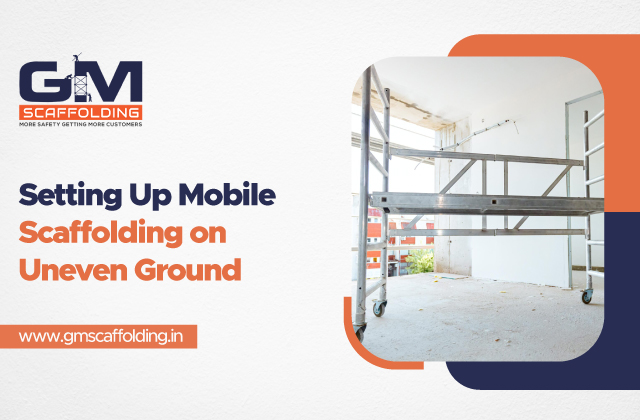
- Create platforms on sloping ground with adjustable base jacks
- Fit scaffolding around curves, columns, and projections
- Work around obstacles like trees, signage, and existing structures
This adaptability is especially useful in renovation and retrofit work, where buildings are rarely “perfectly straight” and predictable.
Cost Benefits of Choosing MS Scaffolding
Rental Cost, Purchase Price, and Resale Value
MS scaffolding offers value in several ways:
- Rental: Competitive rates because supply is high and systems are durable
- Purchase: Strong long-term investment for contractors with regular work
- Resale: Components keep a resale and scrap value as steel, even after long use
When you spread the cost over years of projects, MS scaffolding often proves cheaper than “cheaper-looking” options that fail early or limit load capacity.
Saving Money Through Reuse and Standardization
Standardized MS scaffolding systems reduce:
- Wasted time searching for odd or special components
- Errors caused by incompatible parts
- Delays from waiting for unique pieces to arrive
This level of standardization helps keep projects on schedule—and time is money.
How to Maximize the Advantages of MS Scaffolding in Construction
Choosing Reliable Suppliers or Rental Partners
When selecting a supplier, consider:
- Their safety record and certifications
- Quality of their components and maintenance practices
- Ability to provide design support and load calculations
- Availability of components at short notice
A good scaffolding partner helps you unlock the full potential of your system.
Conclusion
When you look closely at the Top Advantages of Using MS Scaffolding in Construction, a clear picture emerges. MS scaffolding offers:
- High structural strength and load capacity
- Long-term durability and excellent value for money
- Strong safety performance when used correctly
- Flexibility across many project types and site conditions
- Easy inspection, maintenance, and eventual recycling
Whether you’re a contractor, project manager, or property owner, choosing a well-designed MS scaffolding system and combining it with professional erection and strong safety culture can transform the way your projects run. It supports safer work, smoother progress, and more predictable costs from start to finish.
FAQ
1.What does “MS” mean in MS scaffolding?
“MS” stands for Mild Steel. It refers to the low-carbon steel used to manufacture the tubes, frames, and fittings that make up the scaffolding system.
2.Is MS scaffolding suitable for both small and large projects?
Yes. It’s used for small residential works, medium-sized commercial projects, and large industrial or infrastructure jobs. Its strength and flexibility make it suitable for almost any scale.
3.Does MS scaffolding rust easily?
Steel can rust if exposed to moisture for long periods, but protective coatings (galvanizing or paint), good storage, and basic maintenance greatly reduce the problem and extend its life.
4.Is MS scaffolding more expensive than aluminium systems?
The initial cost may be similar or slightly higher in some markets, but MS scaffolding often offers better load capacity and longer service life, which can reduce overall cost per use.
5.Do I need special training to use MS scaffolding?
Workers should always be trained in safe scaffolding practices, regardless of material. However, many workers are already familiar with steel systems, making training easier and faster.