What Is Scaffolding? Meaning, Definition, and Uses in Construction
Introduction
Scaffolding is a framework of metal tubes and platforms that wraps around a building under construction. It is one of those things most people see every day but rarely think about, yet it plays a vital role in making construction safe and efficient. The scaffolding meaning goes beyond just picturing metal poles and planks. Basically, it’s about understanding what makes modern construction possible. The purpose of this guide is to explain how scaffolding works, the types available, what it is used for, and why it is important on a construction site.
Scaffolding Meaning: Definition and Functions
What Is Scaffolding? A Clear Definition
Scaffolding is a temporary structure that supports workers and materials during construction, maintenance, repair, or demolition. It provides a safe working platform at heights where regular ground access is not possible.
The scaffolding definition in construction is straightforward: it is a system of tubes, boards, and fittings put together to form a stable, load-bearing structure that allows workers to operate at elevation safely. Once the construction or repair work is complete, scaffolding is dismantled and removed.
In simpler terms, think of it as a temporary support system that holds people and materials in place while the permanent structure takes shape.
Scaffolding Meaning in Construction: More Than Just Metal Poles
When people ask about what scaffolding is in construction, they often expect a technical answer filled with jargon. But the concept is quite practical.
In the construction world, scaffolding refers to any temporary elevated platform system designed to:
- Allow workers to reach heights safely.
- Support tools, equipment, and building materials
- Enable work on large surface areas like walls, ceilings, and facades.
- Protect workers and the public from falling objects.
Scaffolding is not just about convenience. It is a safety requirement on most construction sites, mandated by building codes and occupational safety standards across the globe.
Also Read: https://blog.gmscaffolding.in/scaffolding-rental-mistakes/
Uses of Scaffolding in Construction and Industry
What Is Scaffolding Used For?
Scaffolding work covers a wide range of applications across various industries. Here is a look at the most common uses:
1. Building Construction
It is most commonly used for this purpose. In a residential home or in a multi-storey commercial building, scaffolding provides support to workers during bricklaying, plastering, painting, and concrete work.
2. Building Maintenance and Renovation
Older buildings regularly need facade repairs, repainting, or structural upgrades. Scaffolding gives technicians safe access to every section of the building’s exterior.
3. Projects in the industrial sector
Scaffolding is used in refineries, power plants, and manufacturing units for equipment maintenance, piping installation, and shutdowns. In industries, scaffolding is usually more complex and specialised.
4. Bridge and Infrastructure Work
Bridges, tunnels, and flyovers all require scaffolding during construction and routine maintenance. The temporary platform allows engineers to inspect and repair structural elements that would otherwise be unreachable.
5. Demolition Work
Even when tearing structures down, scaffolding provides controlled access and helps contain debris, reducing the risk of injury to workers and the public nearby.
How Does Scaffolding Work on a Building Site?
Understanding how scaffolding works helps you appreciate why it is considered a critical part of any construction project.
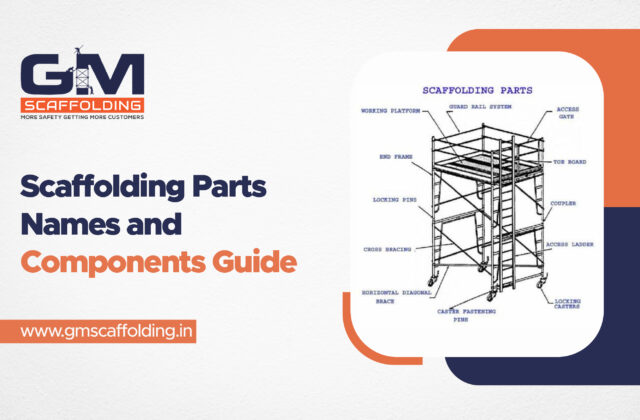
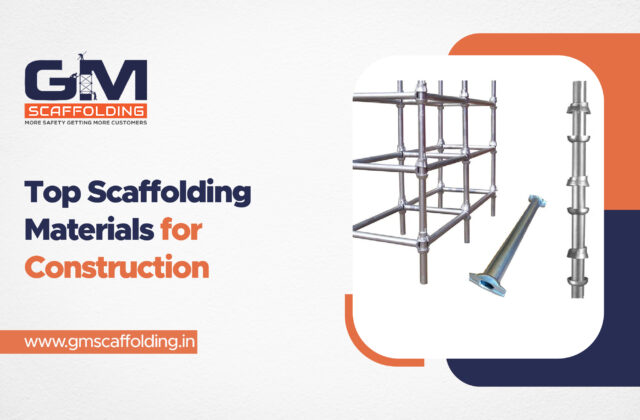
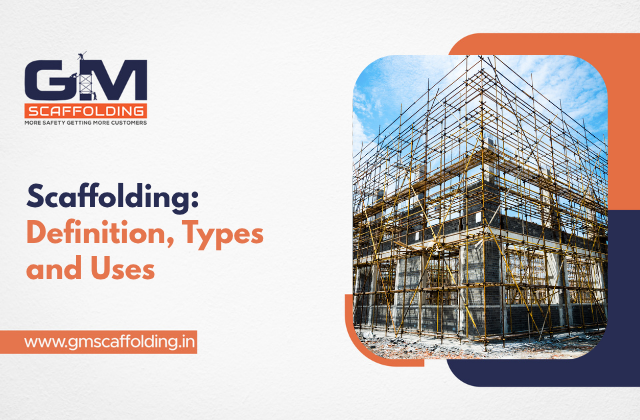
A typical scaffolding system is built using vertical tubes called standards, horizontal tubes called ledgers, and diagonal tubes called braces. These are connected using couplers or fittings to form a rigid, load-bearing framework. Timber or metal planks, called scaffold boards, are placed on the ledgers to create working platforms.
The system is anchored to the building using wall ties to prevent it from tipping outward. Guardrails and toe boards are added for fall protection, and access is provided through ladders or stair towers built within the scaffold structure.
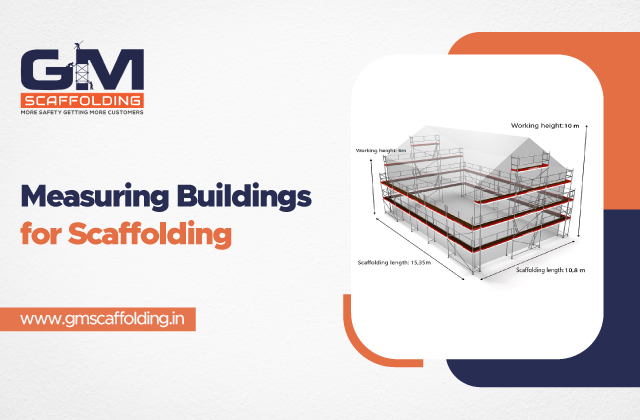
Each scaffold system is designed based on the project’s load requirements, height, and the type of work being done. A certified scaffolding contractor always erects and dismantles the structure following safety guidelines. Scaffolding in Coimbatore is a great choice for local projects if you need professional assistance.
Scaffolding Types and Their Importance in Construction
Various types of scaffolding
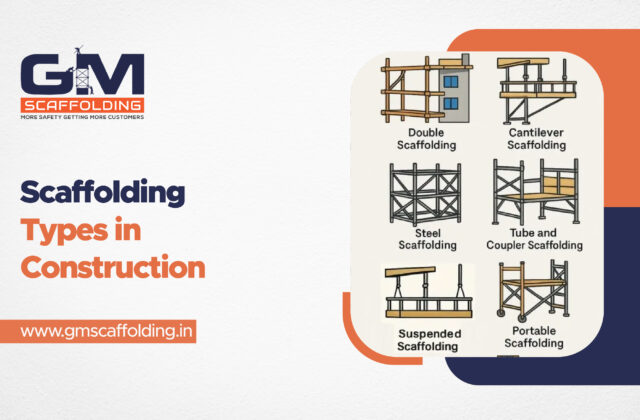
For building construction, scaffolding comes in several types, each suitable for a particular project:
- Tube and Coupler Scaffolding: Used for the most versatile scaffolding, and is constructed of individual tubes with fittings. Ideal for complex structures and irregular shapes.
- Ringlock Scaffolding: A modular system using rosette connections, known for high load capacity and quick assembly.
- Cuplock Scaffolding: Designed for large-scale projects and straight facades, Cuplock Scaffolding can be quickly assembled.
- Frame Scaffolding: Pre-fabricated frames connected with cross braces. Commonly used for residential and low-rise commercial buildings.
- Cantilever Scaffolding: Extends outward from the structure without ground support. Used where ground conditions prevent standard scaffolding.
- Suspended Scaffolding: Hanging platforms supported from above, often used for window cleaning and high-rise facade work.
Importance of Scaffolding in Construction
The importance of scaffolding in construction cannot be overstated. Here is why it is non-negotiable on any serious construction project:
- Worker Safety: Falls are one of the leading causes of construction fatalities. Scaffolding with guardrails and toe boards dramatically reduces this risk.
- Improved Productivity: Workers can move freely at height with their tools and materials at hand, which speeds up the job significantly.
- Building Materials Support: Scaffolding platforms carry heavy building materials, such as bricks, mortar, tiles, and more, to their final destination.
- Improved Work Quality: A stable platform allows workers to focus on precision work.
- Public Protection: Properly installed scaffolding with debris netting and fans protects pedestrians and vehicles from falling tools or materials.
Conclusion
Now that you have a clear picture of the scaffolding meaning, it is easy to see why this temporary structure is so central to the construction industry. From simple home renovations to massive industrial projects, scaffolding supports the work that builds our world, literally.
Whether you are a contractor planning a new project, a site engineer reviewing safety standards, or a procurement team sourcing equipment, understanding what scaffolding in building construction is helps you make better decisions at every stage of a project.
The three pillars of scaffolding work are choosing the right type, working with certified professionals, and following safety protocols. Scaffolding holds the entire construction process up when done right.
Frequently Asked Questions (FAQs)
1. What is scaffolding and what is it used for?
Scaffolding is a temporary elevated structure of tubes, boards, and fittings that provides a safe platform for workers and materials. It is used in construction, maintenance, repair, and demolition to access heights and support work safely.
2. What materials are used in scaffolding?
Scaffolding is typically made from steel or aluminium tubes, along with wooden or metal planks for platforms. Components like couplers, base plates, and braces are used to ensure stability and safety.
3. What safety measures are essential when using scaffolding?
Essential safety measures include using guardrails and toe boards, inspecting the structure regularly, following load limits, wearing PPE, and ensuring proper access with ladders or stair towers.
4. Why is scaffolding important in construction?
Scaffolding is important because it protects worker safety, improves productivity, supports heavy materials, ensures work quality, and shields the public from construction hazards. Most safety regulations require proper scaffolding on all elevated work sites.
5. How does scaffolding work on a building site?
The scaffolding system is composed of vertical standards, horizontal ledgers, and diagonal braces. The scaffold boards are used to construct working platforms. To ensure the structure’s safety, guardrails and toe boards are installed.
6. What are the main types of scaffolding?
There are five main types of scaffolding: tube-and-coupler, ringlock, cuplock, frame, cantilever, and suspended. The type of scaffold is chosen based on the project’s height, load requirements, and site conditions.