Scaffolding Safety Standards Every Construction Site Needs

Introduction
Construction sites are dynamic environments where workers operate at varying heights, often under time constraints and challenging conditions. Scaffolding is one of the most commonly utilised temporary structures for supporting workers and materials.
While scaffolding improves efficiency and accessibility, it also poses considerable risks if not properly handled. Establishing robust Scaffolding Safety standards is critical to preventing accidents, injuries, and project delays.
The article covers the essential safety regulations that all construction sites must comply with to ensure safe, compliant operations.
Understanding Scaffolding Safety
The term “scaffolding safety” refers to the set of guidelines, protocols, and best practices designed to protect employees working at heights. It emphasises the proper design, installation, inspection, and use of scaffolding systems to reduce the risk of falls and structural failures. On every construction site, safety is critical to preserving efficiency while safeguarding lives.
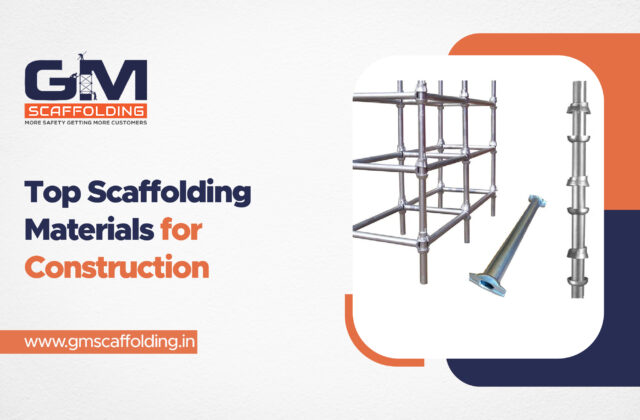
Before beginning scaffolding work, all people must understand the dangers and the controls necessary to mitigate them. Safety awareness ensures that scaffolding is viewed as an essential system rather than merely a temporary platform. Proper selection and maintenance of scaffolding materials play a vital role in ensuring overall scaffolding safety and structural stability.
What Is Scaffolding and Why Safety Matters
In terms of safety, scaffolding is a temporary elevated structure used to support workers, tools, and materials during building, maintenance, or repair activities. Scaffolds are frequently erected and dismantled; errors might occur if standards are not followed.
Failure to comply with scaffolding regulations increases the risk of falls, collapses, and being struck by an object. Proper safety planning ensures that scaffolds are sturdy, properly loaded, and appropriate for the task at hand.
Common Scaffolding Hazards
Identifying scaffolding risks is the first step toward preventing accidents. Unstable foundations, lack of guardrails, overloaded platforms, and exposure to the elements are common hazards. Poor access points and improper ladder use also contribute to mishaps.
Understanding scaffolding risks and control measures enables site supervisors to implement preventive measures, such as load management, fall protection, and frequent inspections. Before using any new scaffold, risk evaluations should be completed. Site teams must also consider how weather affects scaffolding work, as wind, rain, and extreme temperatures can significantly increase hazard levels.
Types of Scaffolding and Safe Use
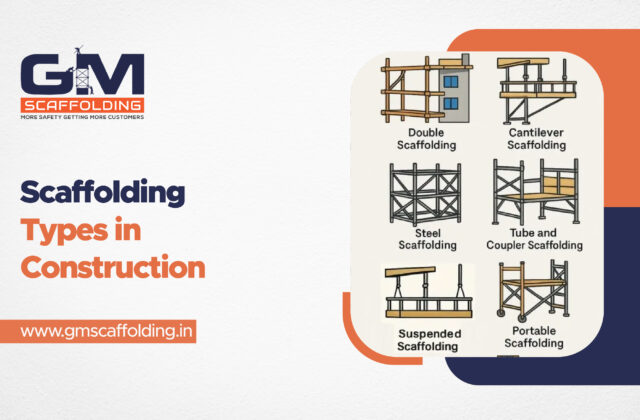
Different projects necessitate different scaffolding methods. One of the most common types is the supported scaffold, which consists of platforms held up by stiff poles, frames, or legs. This type must be built on a solid foundation and well-braced to avoid movement.
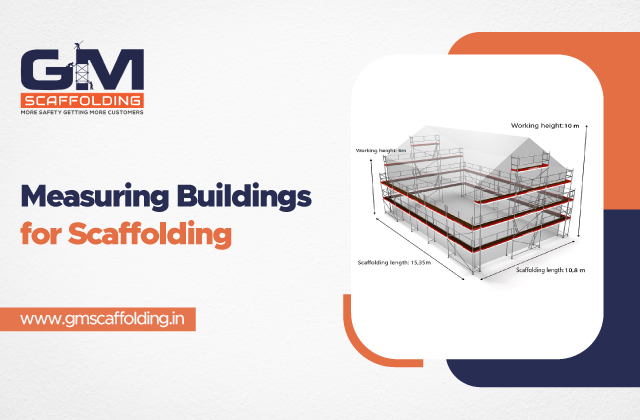
Workers must be provided with precise scaffolding details, including platform width, height limitations, and access locations. Proper design ensures the scaffold can securely support both people and materials while remaining within load limits. Understanding various scaffolding types helps ensure the correct system is selected for each project and used safely.
Read More: https://blog.gmscaffolding.in/cantilever-scaffolding-uses-construction/
Step-by-Step Scaffolding Safety Precautions
Implementing scaffolding safety precautions demands a systematic strategy.
- Planning: Ensure the scaffold design is appropriate for the task and site conditions.
- Installation: Only trained workers should install or modify scaffolding.
- Inspection: Examine scaffolds before and after any modifications or inclement weather.
- Access Control: Install safe ladders or stairwells for entry and escape.
- Fall Protection: Install guardrails and utilise protective systems as needed.
These steps promote safety by addressing hazards before work begins. Following the proper steps to assemble scaffolding right is essential to maintaining stability, compliance, and worker protection.
Safety Tools and Visual Controls
Visual indicators enable workers to identify scaffold issues immediately. A scaffolding tag system is often used to indicate whether a scaffold is safe to use, has been inspected, or is restricted. Tags must be changed anytime a change occurs.
Additional protective measures, such as scaffold safety netting, prevent falling objects and lower the risk of injury to workers below. These tools are handy in busy construction zones where numerous teams are working simultaneously.
Daily Monitoring and Maintenance
Regular checks are required to ensure scaffolding safety throughout the project’s lifecycle. A safety checklist should include checks on connections, platforms, guardrails, access points, and load conditions. Supervisors must guarantee that broken components are immediately replaced.
Wind, rain, and uneven ground can negatively affect scaffold stability. Continuous monitoring prevents minor faults from becoming significant hazards. Ensuring the right scaffold height for safety is part of daily monitoring and helps reduce the risk of falls and structural instability.
Training and Worker Responsibility
Safety is a shared responsibility. Workers must be trained to recognise harmful situations and report them immediately. They should follow instructions, use personal protective equipment, and refrain from changing scaffolds without permission.
Proper training ensures that employees understand how their activities impact scaffolding safety and overall site conditions. Clear communication between supervisors and employees promotes compliance and accountability.
Choosing Reliable Scaffolding Support
Working with experienced providers assures compliance with safety standards. Construction managers frequently rely on reputable businesses, such as scaffolding rental in Coimbatore, to obtain approved equipment and competent assistance. Quality materials and skilled supervision are vital to ensuring safe site operations.
Read More: https://blog.gmscaffolding.in/how-to-choose-right-scaffolding-rental-supplier/
Conclusion
Scaffolding safety is not optional; it is a basic need for all construction sites. Construction teams can drastically reduce accidents by recognising risks, implementing systematic measures, and conducting regular inspections.
Practical safety standards safeguard employees, increase efficiency, and help projects succeed. This safety becomes a daily practice on construction sites, making them safer, more reliable, and better prepared for long-term growth.
FAQs
1.What is scaffolding safety and why is it important on construction sites?
Scaffolding safety refers to laws and practices that prevent falls, collapses, and accidents, making construction work at height safer for workers.
2.What scaffolding standards should construction sites follow for safety?
Construction sites should adhere to established scaffolding requirements for design, load capacity, guardrails, access, inspections, and worker training.
3.What are the most common scaffolding hazards during scaffolding work?
Unstable foundations, missing guardrails, overloaded platforms, poor access, and exposure to extreme weather are all common concerns.
4.What safety precautions are required for supported scaffold systems?
To be used, supported scaffold systems require a stable foundation, appropriate bracing, safe access ladders, secure platforms, and routine inspections.
5.What should be included in a scaffolding safety checklist before work begins?
A scaffolding safety checklist should include inspections of structural integrity, guardrails, access points, load limits, tagging, and general condition.