3 To 1 Rule In Scaffolding For Safer Sites

Quick Answer
3 to 1 Rule in Scaffolding means a freestanding scaffold’s working height should be no more than three times its smallest base dimension. Stay within this ratio, or add ties, braces, or outriggers, and have a competent person inspect it before every shift. Falls caused 421 of 1,075 U.S. construction deaths in 2023, per OSHA.
Quick Overview
| Topic | Key Point |
| 3:1 Rule | Free-standing height max 3x smallest base. |
| When To Stabilise | Above 3:1, add ties, braces, outriggers. |
| OSHA Benchmark | Supported scaffolds over 4:1 need restraint. |
| Mobile Movement | Move only at 2:1, clear platforms. |
| Rental Must-Do | Daily inspection, tagging, trained erectors, documented handover. |
Table Of Contents
- Quick Answer
- Quick Overview
- What Is The 3 To 1 Rule In Scaffolding
- Scaffold Height To Base Ratio Calculations
- OSHA Scaffolding Requirements For Stable Scaffolds
- Scaffolding Safety Regulations In India
- Mobile Scaffold Safety Rules For Towers On Wheels
- Scaffolding Risk Prevention For Rental Compliance
- FAQs
- Conclusion
What Is The 3 To 1 Rule In Scaffolding
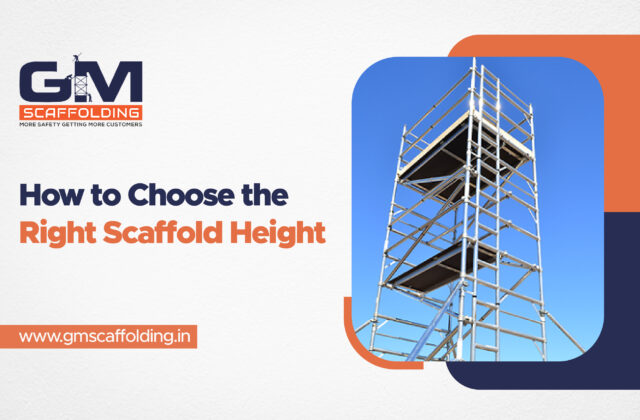
Think of the 3 to 1 rule in scaffolding as a quick stability filter for freestanding towers. If the platform height is more than three times the smallest base dimension, the tower is far easier to tip. Wind, uneven ground, and side loads from materials make the risk worse, so treat 3:1 as a minimum rule.
- Simple test: Height ÷ smallest base dimension ≤ 3
- Best for: Freestanding towers and light-duty access scaffolds
- Stability boosters: Outriggers, stabilisers, ties, diagonal bracing
- Reality check: Always follow the manufacturer’s tower schedule (EN1004 towers vary) (PASMA)
Before you build, measure the base, then plan stabilisers or ties early. Rental users should always ask for the exact tower configuration chart from the supplier and follow the manufacturer’s schedule, not guesswork. If you need systems sized for your site and working height, start with GM’s scaffolding rental in coimbatore service page and request a safety-ready setup.
Scaffold Height To Base Ratio Calculations
Scaffold height to base ratio is simple maths, but it prevents expensive mistakes on site. Start with the smallest base dimension, including outriggers when they are installed, then multiply by three to get a conservative free-standing height. Use metric on Indian sites, and re-check the ratio after every alteration, relocation, or load change.
| Smallest Base Dimension | 3:1 Max Free-Standing Height | If You Need Higher |
| 1.0 m | 3.0 m | Add stabilisers or tie-in. |
| 1.2 m | 3.6 m | Widen base, reduce height. |
| 1.5 m | 4.5 m | Use outriggers, re-check level. |
| 2.0 m | 6.0 m | Switch to braced system. |
| 2.4 m | 7.2 m | Engineer tie pattern, inspect. |
- Measure ground footprint, not platform width
- Count outriggers only when installed and locked
- Recalculate after adding sheeting, hoists, or heavy materials
Make the calculation visible: mark base dimensions on your scaffold tag or handover note. If your required platform height exceeds the 3:1 limit, widen the base with stabilisers, add ties to the structure, or switch to a different system such as cuplock. A quick measurement now avoids a shutdown or incident later.
OSHA Scaffolding Requirements For Stable Scaffolds
Even if you are building in India, OSHA scaffolding requirements are widely used as a practical benchmark on global projects. The key point for stability is the 4:1 tipping rule for supported scaffolds, plus guardrails, safe access, and competent-person inspections. If your client references OSHA, aligning your scaffold plan early saves rework.
- 4:1 rule: Above it, restrain with ties, guys, braces
- Strength rule: Components support at least 4x intended load
- Access rule: Provide safe ladders or built-in access
- Inspection rule: Competent person checks before use and after changes (OSHA)
“Supported scaffolds with a height to base width ratio of more than 4:1 must be restrained by guying, tying, bracing, or an equivalent means.”
Source: OSHA 3150 Guide (OSHA)
Use OSHA as a checklist, then match it with local standards and manufacturer instructions. Confirm ties, braces, and access points during installation, not after the first shift. For multi-employer sites, document who erected, who inspected, and who approved handover. That paperwork is part of scaffolding safety regulations, not an optional extra.
Scaffolding Safety Regulations In India
Construction site safety standards in India come from a mix of national rules, state rules, and Indian Standards. For scaffolds, the Building and Other Construction Workers (Central) Rules, 1998 include specific duties for employers, and BIS IS 3696 Part 1 details bracing and tying practices. Treat these as your baseline for scaffolding rental safety compliance.
| Rule Or Standard | What It Covers | Practical Site Action |
| BOCW Central Rules, 1998 | Guardrails, safe platforms, fall protection | Tag, guard, and control access. |
| State BOCW Rules | State enforcement and site duties | Keep records ready for audits. |
| BIS IS 3696 Part 1 | Bracing, tying, scaffold rigidity | Install diagonals, tie or guy. |
| National Standards Reference | PPE and safety nets | Use compliant helmets, nets, harnesses. |
| Employer Duties | Maintain safe working conditions | Fix defects before allowing work. |
- IS 3696 stresses scaffolds must be braced for rigidity and tied/guyed for stability (Law Resource)
- BOCW rules call for guardrails and toe boards where falls are possible
- Tamil Nadu’s safety guidance highlights inspection and maintenance as essential controls (DISH)
If you are a site supervisor or safety officer, keep compliance practical. Ask for erection drawings or method statements, verify guardrails and toe boards, and tag every scaffold clearly as safe, unsafe, or incomplete. When rules and site reality conflict, pause the work and escalate to the competent person. It is cheaper than an incident.
Mobile Scaffold Safety Rules For Towers On Wheels
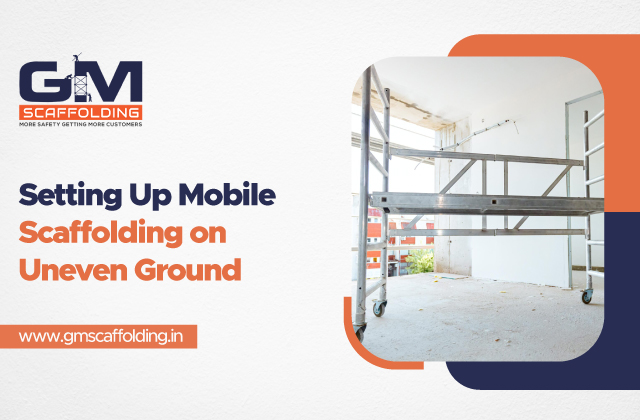
Mobile scaffold safety rules are stricter because wheels add a tipping force. Many tower manuals still reference a 3:1 outdoor ratio and a higher indoor ratio, but modern guidance says you must follow the manufacturer’s schedule for stabilisers and platform heights. Lock castors, keep the deck clear, and never move a tower with people on it. If you’re reviewing how to set up mobile scaffolding, always begin with the manufacturer’s instructions and site-specific risk assessment.
- Typical tower manuals: 3:1 outdoors, 3.5:1 indoors (example manual)
- During movement: Keep height-to-base tighter, manage dynamic forces (OSHA)
- Ground rules: Firm, level surface, brakes locked before climbing
- No riders: Clear people and loose tools before pushing
“The height to base width ratio of the scaffold during movement is two to one or less.”
Source: OSHA Standard Interpretation (2004) (OSHA)
Treat wind like a load, not a weather detail. If you are working near open facades, coastal areas, or monsoon gusts, shorten the tower height, add stabilisers, or tie in. For rental towers, insist on the instruction manual and a quick toolbox talk for your crew. One disciplined move policy prevents most mobile-tower incidents.
Scaffolding Risk Prevention For Rental Compliance
Scaffolding risk prevention starts before the first frame goes up. Rental equipment can be safe and compliant, but only if it is selected for the job, erected by trained people, inspected daily, and used within load and ratio limits. Build a short handover routine that every contractor, safety officer, and supervisor follows, even on fast projects.
- Step 1: Confirm ground is level, use base plates, sole boards
- Step 2: Measure base, apply 3:1, add stabilisers or ties
- Step 3: Install guardrails, midrails, toe boards, safe access
- Step 4: Lock castors, add bracing, recheck couplers and pins
- Step 5: Tag scaffold, log inspection, brief crew on limits
After setup, do a five-minute re-check at shift start daily: base, ties, access, guardrails, and tag status. If anything changes overnight, treat it as a new scaffold and re-inspect. For project managers, bake this into your method statement and vendor SLA. Good scaffold discipline protects people, schedules, and your reputation.
FAQs
1. Is the 3:1 rule the same as OSHA’s 4:1 rule?
No. The 3:1 rule is a common rule of thumb for freestanding towers, while OSHA requires supported scaffolds above a 4:1 height-to-base ratio to be restrained with ties, guys, or braces. On real sites, follow the manufacturer’s manual first, then apply the stricter requirement.
2. How do I measure the base dimension for the 3 to 1 rule in scaffolding?
Use the smallest footprint dimension at ground level. If stabilisers or outriggers are installed, measure the effective base including them, because they widen the support area. Measure on level ground, with castors locked, and record the value on your scaffold tag or handover checklist.
3. What if my required working height exceeds the 3:1 ratio?
Do not keep building “one more lift.” Add stabilisers, tie the scaffold to the structure, or switch to a system designed for greater height, like cuplock or frame scaffolding with proper bracing. A competent person should confirm the tie pattern and inspect the scaffold before use.
4. Do mobile scaffolds have different safety rules when moving?
Yes. Many standards tighten the ratio during movement because dynamic forces increase tipping risk. OSHA guidance states the height-to-base ratio during movement should be 2:1 or less unless stability testing allows otherwise. Always clear the platform, unlock slowly, and push from the base.
5. Which Indian standards mention scaffold bracing and tying?
BIS IS 3696 Part 1 covers scaffolds and includes requirements to brace for rigidity and tie or guy for stability. Indian construction rules also reference national standards for fall protection and safe platforms. Keep a copy of the relevant standard or a site checklist for audits.
6. How often should scaffolding be inspected on site?
Inspect before first use, after any alteration, after severe weather, and at the start of each shift in active areas. Inspection should be done by a competent person who can spot missing components, loose couplers, uneven foundations, or damaged planks. Use a simple tag system to communicate status.
7. What are the most common scaffold stability mistakes on Indian sites?
Typical issues include setting legs on loose soil without sole boards, ignoring the height-to-base ratio, missing diagonal bracing, overloaded platforms, and moving mobile towers with workers on the deck. Poor access is another trigger, because people climb frames instead of using internal ladders safely.
8. If I rent scaffolding, what documents should I ask the supplier for?
Ask for the manufacturer’s instruction manual, load ratings, a configuration chart for tower heights, and an inspection or handover note signed by a competent person. For larger projects, request a method statement and rescue plan for work at height. Keep these in your site safety file.
Conclusion
The 3 to 1 Rule in Scaffolding is a fast way to judge tower stability, but it is not a substitute for drawings, ties, or manufacturer limits. Measure the base, control wind and side loads, and inspect daily. When your height demand grows, stabilize early or change the system. Safe scaffolds protect crews and keep projects moving.
Read More: https://blog.gmscaffolding.in/choosing-the-right-scaffold-height-for-safety-and-efficiency/
References
- https://www.osha.gov/stop-falls
- https://www.osha.gov/sites/default/files/publications/osha3150.pdf
- https://www.osha.gov/laws-regs/regulations/standardnumber/1926/1926.451
- https://www.osha.gov/laws-regs/standardinterpretations/2004-03-10-0
- https://pasma.co.uk/wp-content/uploads/2019/11/Euro-Towers-232-Double-Width-3T-instruction-manual.pdf
- https://pasma.co.uk/faqs/safety/
- https://law.resource.org/pub/in/bis/S03/is.3696.1.1987.pdf
- https://www.indiacode.nic.in/ViewFileUploaded?file=Building_and_Other_Construction_Workers_Regulation_of_Employment_and_Conditions_of_Service_Central_Rules.pdf&path=AC_CEN_6_6_00023_199627_1517807323878%2Frulesindividualfile%2F
- https://dish.tn.gov.in/assets/pdf/Safety%20in%20Scaffolding.pdf
- https://gmscaffolding.in/
- https://gmscaffolding.in/scaffolding-in-coimbatore.html
- https://gmscaffolding.in/contact.html